






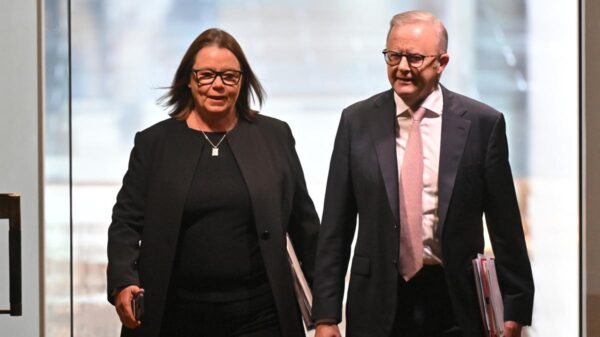


















Western Australian politicians are expressing concern over new travel restrictions for federal parliamentarians, which they believe will further isolate members from their families. The proposed changes, announced by Prime Minister Anthony Albanese just before Christmas, aim to reform travel entitlements in response to public outcry over a recent expenses scandal.
Under the new rules, federal politicians will no longer be able to fly family members in business class, and taxpayer-funded trips outside of Canberra will largely be discontinued. This has sparked significant criticism from both sides of the political spectrum, particularly from representatives in Western Australia, who argue that these measures fail to account for the geographic challenges they face.
Labor figures have voiced their concerns, noting that the changes disregard the lengthy distances and time that Western Australian politicians must spend away from their families. “These latest changes without any consideration of distance travelled or time those from WA spend away will only isolate WA members more from their families,” one member stated.
A Liberal MP echoed this sentiment, acknowledging the emotional toll of working in Canberra, yet noted that there is little public sympathy for politicians voicing such challenges. Resources Minister Madeleine King remarked that while she supports the proposed changes, it is important to recognize the unique hardships faced by politicians from Western Australia and the Northern Territory, who often spend significantly more time away from home.
“It’s a privilege to serve as always, but it can be difficult,” King told reporters during an event in her Rockingham electorate. “I think family reunion travel is vital. I really do. Family dynamics can vary, and we often depend on our families for support.” She emphasized the loneliness that can accompany life in Canberra, underscoring the importance of family connections in maintaining well-being.
In support of the proposed travel changes, fellow Western Australian frontbencher Josh Wilson highlighted the importance of reasonable support for family travel in fostering a more inclusive Parliament. “We’re starting to see the Australian Parliament look like the Australian community, and that’s good,” Wilson said. He added that such support could help encourage greater diversity in political participation.
Wilson also addressed perceptions regarding travel expenditures, pointing out that media coverage often unfairly targets Western Australian politicians for their travel costs. “Most people are smart enough to understand and to respect that the travel burden for some parts of the country, whether it’s WA or probably Tasmania or far north Queensland, is really quite considerable,” he stated.
As the debate continues, the new travel regulations remain a focal point for discussions surrounding the work-life balance of federal politicians, particularly those representing distant regions. With the impending changes, the challenge of maintaining family connections amidst the demands of public service will remain a critical issue for many parliamentarians.