


































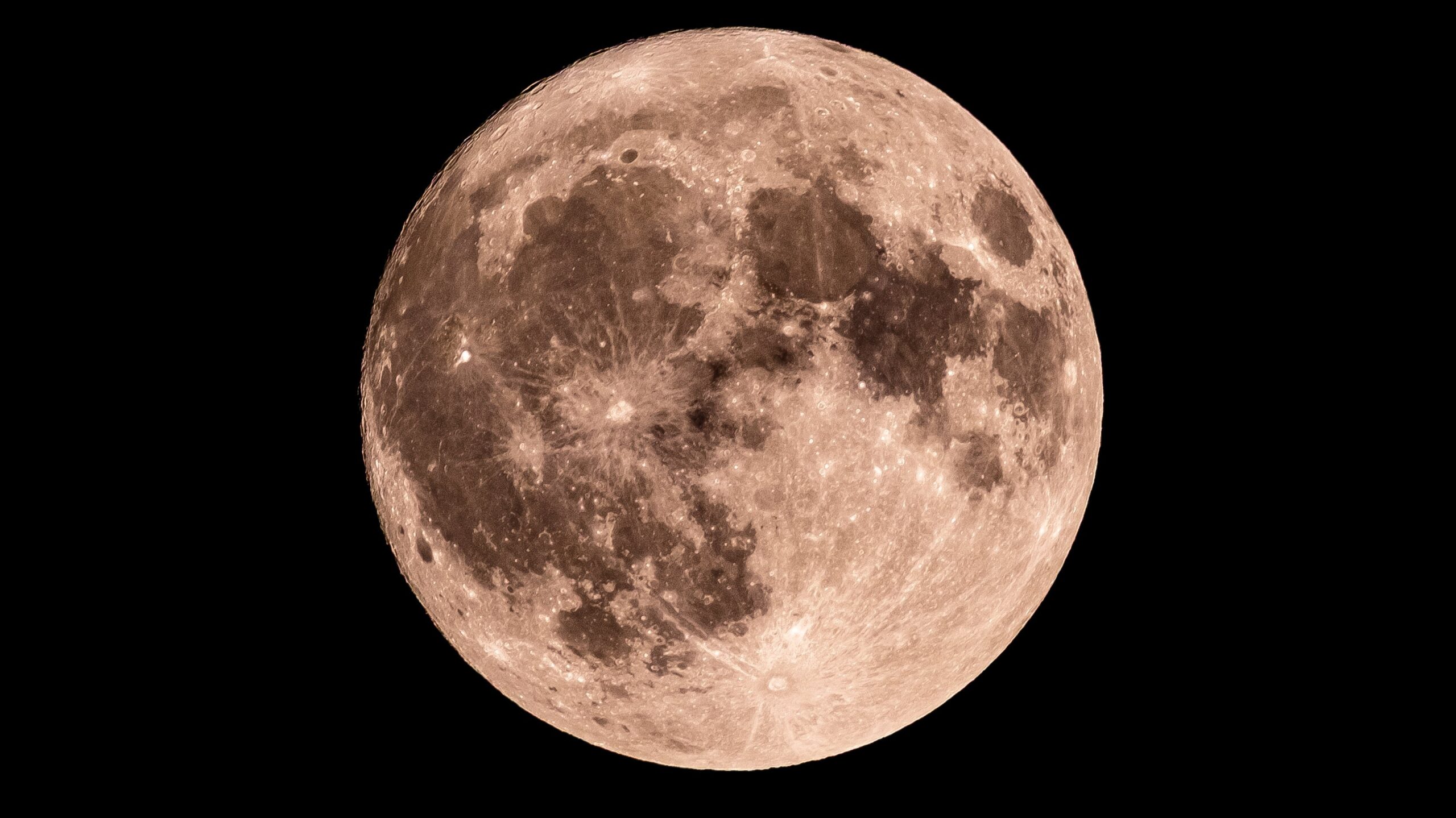
The Moon enters a new phase this evening, captivating stargazers with its Waxing Crescent appearance. As of December 26, 2023, approximately 37% of the lunar surface will be illuminated, according to NASA‘s Daily Moon Observation. This is an excellent opportunity for enthusiasts to explore the Moon’s features, both with the naked eye and through binoculars or telescopes.
Viewing the Moon’s Features
Tonight, observers can clearly spot the lunar maria, specifically the Mares Crisium, Fecunditatis, and Serenitatis. Using binoculars enhances the experience, revealing additional details such as the Endymion Crater and the Posidonius Crater. For those equipped with telescopes, a wealth of detail awaits, including the historic landing sites of Apollo 11 and Apollo 17, along with the prominent Rupes Altai.
Understanding Moon Phases
The Moon transitions through various phases every 29.5 days, a cycle known as the lunar cycle. This journey involves eight primary phases, which reflect the changing amount of sunlight that reaches the Moon’s surface.
– **New Moon**: The Moon is positioned between the Earth and the Sun, rendering it invisible.
– **Waxing Crescent**: A small portion of the Moon’s right side becomes illuminated.
– **First Quarter**: Half of the Moon is lit, resembling a half-moon.
– **Waxing Gibbous**: More than half of the lunar surface is illuminated, yet it remains shy of full.
– **Full Moon**: The entire face of the Moon shines brightly.
– **Waning Gibbous**: The illumination begins to decrease on the right side.
– **Third Quarter**: The left half of the Moon is now illuminated.
– **Waning Crescent**: A thin sliver of light remains before the Moon cycles back to darkness.
The upcoming full moon will occur on January 3, 2024, following the last full moon on December 4, 2023. This lunar rhythm not only contributes to the beauty of our night sky but also impacts various natural phenomena on Earth.
With the Moon’s captivating presence tonight, stargazers are encouraged to step outside, observe, and appreciate the wonders of our celestial neighbor.