



































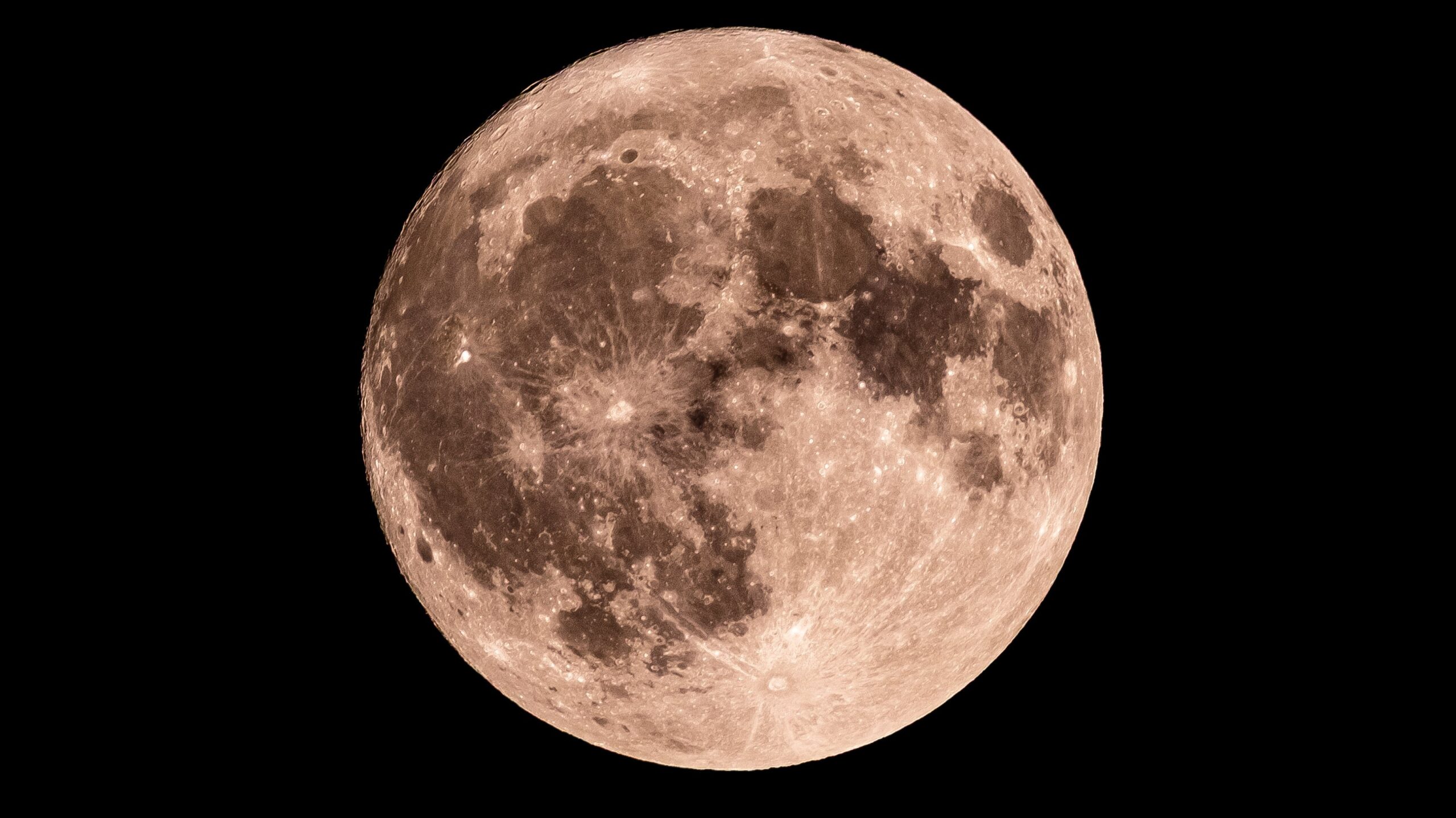
On February 21, 2024, the Moon will present a Waxing Crescent phase, providing a unique opportunity to observe some of its surface features. As the lunar cycle progresses, approximately 16% of the Moon’s surface will be illuminated tonight, making it visible to the naked eye. Enthusiasts can expect to spot notable features such as the Mares Crisium and Fecunditatis, even without telescopic equipment. For those equipped with binoculars or a telescope, the Endymion Crater will also be observable.
Understanding Moon phases is essential to grasping how its appearance changes throughout the month. The Moon completes a full orbit around Earth in roughly 29.5 days, transitioning through eight distinct phases during this period. Each phase alters the visible portion of the Moon that reflects sunlight, leading to its varying appearances.
Phases of the Moon Explained
NASA outlines the eight main phases of the Moon, each defined by the amount of sunlight the surface reflects:
– **New Moon**: The Moon is positioned between Earth and the Sun, rendering it invisible from our perspective.
– **Waxing Crescent**: A small sliver of light appears on the right side of the Moon.
– **First Quarter**: Half of the Moon is illuminated on the right side, resembling a half-Moon.
– **Waxing Gibbous**: More than half of the Moon’s surface is lit, approaching full illumination.
– **Full Moon**: The entire face of the Moon is completely illuminated.
– **Waning Gibbous**: The Moon begins to lose light on the right side.
– **Third Quarter (or Last Quarter)**: The left side of the Moon is illuminated, creating another half-Moon.
– **Waning Crescent**: A thin sliver of light remains on the left side before the Moon returns to darkness.
As the lunar cycle continues, the next Full Moon will occur on March 3, 2024, following the last Full Moon on February 1, 2024. This cyclical pattern is not only significant for astronomers but also for those who appreciate the beauty of the night sky.
The Waxing Crescent Moon tonight offers a splendid chance to engage with the wonders of astronomy. Whether observing with the naked eye or utilizing tools like binoculars, the experience of identifying features on the Moon can be both educational and enjoyable. As the Moon continues its journey through various phases, individuals are encouraged to take the time to appreciate the celestial display above.