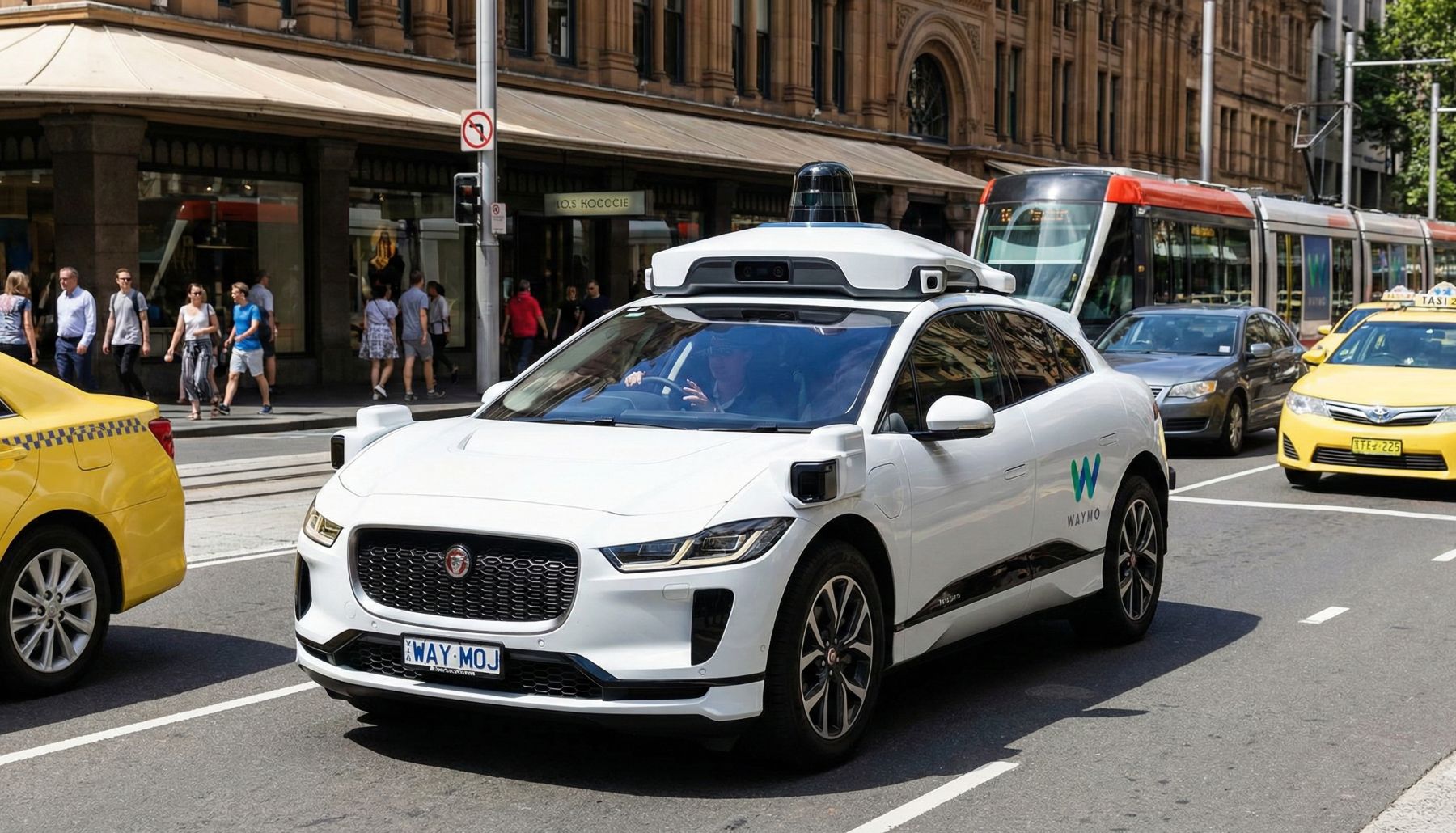
A leaked email has sparked speculation regarding the potential arrival of Waymo’s autonomous vehicles in Australia by 2026. The email, addressed to Catherine King MP, the Minister for Infrastructure, Transport, Regional Development, and Local Government, hints at significant plans for the company in the region. This development raises questions about the future of autonomous driving in Australia, especially as the nation continues to navigate complex regulatory landscapes.
The email, described as a “Confidential Briefing on Waymo’s 2026 Plans in Australia,” suggests Waymo’s ambition to expand its operations beyond its current markets, which include cities like London and Tokyo. Despite this indication of interest, Waymo has not confirmed any specific timelines for launching in Australia. An official statement from Waymo spokesperson Ethan Teicher clarified, “While we are eager to bring the Waymo Driver to more people in more places, we do not have specific plans or a timeline to share regarding Waymo’s future in Australia at this time.”
The potential for autonomous vehicles in Australia is tempered by ongoing regulatory processes that began in February 2020. During a meeting of the nation’s Infrastructure and Transport Ministers, it was decided that the future Automated Vehicle Safety Law (AVSL) would be implemented through Commonwealth law. This law aims to provide a national framework for approving fully autonomous vehicles, a necessary step since there are no checkpoints at state borders.
The timeline for the AVSL’s implementation is concerning to many observers. While it is set for 2026, some industry watchers believe this may be too late given the rapid advancements in autonomous technology globally. Currently, autonomous vehicles in other markets are demonstrating significant safety improvements over human drivers.
To successfully integrate autonomous vehicles like those from Waymo onto Australian roads, several critical steps must be undertaken. The AVSL is designed to ensure the safe operation of Automated Driving Systems (ADS). This necessitates a combination of federal legislation and updates to state and territory laws.
Furthermore, a certified entity known as the Automated Driving System Entity (ADSE) must be established. This corporation is responsible for the safety of ADS in specific vehicles throughout their design life and must submit requests for ADS certification. The process involves rigorous assessments of both hardware and software capabilities, which could take time, adding to the uncertainty of when companies like Waymo can launch their services.
Feedback from previous consultations by the National Transport Commission indicated that Waymo engaged in discussions about the feasibility of remote operations. The company suggested that some remote functions could be carried out from locations outside of Australia and emphasized the need for a regulatory framework that differentiates between various types of remote functions.
As Australia moves closer to establishing a comprehensive legal framework for autonomous vehicles, the situation remains fluid. With Waymo’s interest on the table, many are watching closely to see how regulatory developments unfold and what impact they will have on the future of transportation in Australia.
In summary, while Waymo’s plans for 2026 present an exciting possibility for the Australian market, significant regulatory hurdles remain. The next few years will be crucial in determining how quickly these innovative technologies can be adopted on Australian roads.