

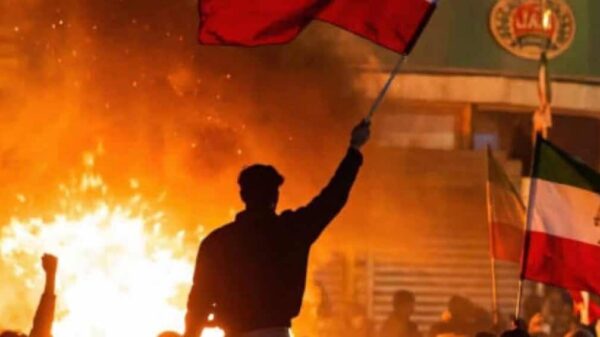
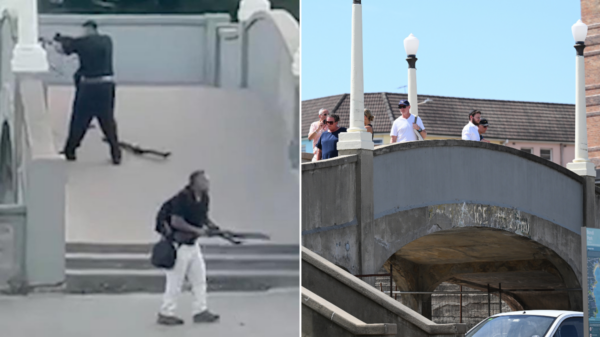











UPDATE: A coalition of activist groups has vowed to continue protesting in Sydney, despite a controversial ban imposed by New South Wales Police following the tragic terrorist attack at Bondi Beach in December that resulted in the deaths of 15 innocent people. The police have extended their authority to restrict protests in key areas until January 20, citing ongoing community tension.
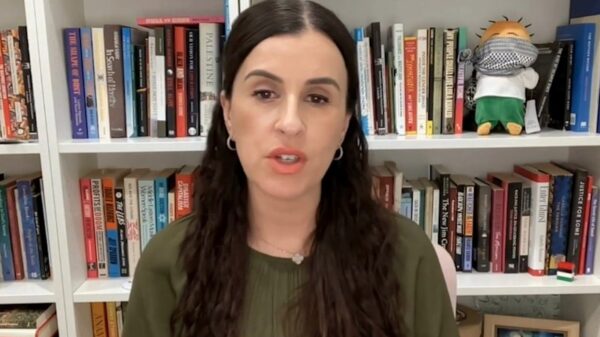
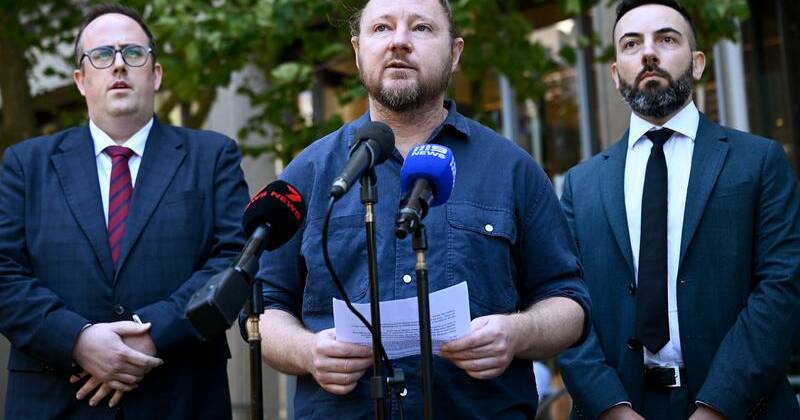
The activist coalition, which includes the Blak Caucus, Palestine Action Group, and Jews Against the Occupation ’48, has officially challenged the ban in the NSW Supreme Court. They argue that the legislation infringes upon the implied freedom of speech and is unconstitutional. “We will not stand for this,” declared Josh Lees, a spokesperson for the Palestine Action Group, speaking outside the law building. “We will fight this in the courts … and we will continue to fight it on the streets.”
The police ban, first enacted by NSW Police Commissioner Mal Lanyon, allows for authorities to refuse protest authorization for up to three months following a declared terror event. Following the initial declaration, the ban was extended just days ago, with Lanyon emphasizing that public assemblies could exacerbate fears during a period of heightened anxiety. “This is not about stopping free speech,” he stated, “it’s about saying: this is not a time for protest.”
Despite the restrictions, several protests are already planned for January, including a significant march on January 10 to commemorate the tenth anniversary of David Dungay Jr.‘s death in custody, and the annual Invasion Day rally on January 26. Activists are also mobilizing for a mass protest coinciding with the visit of Israeli President Isaac Herzog, urging the public to join them in large numbers to defend their democratic rights.
Legal representatives for the activist groups, including barrister Hilbert Chiu SC, have expressed the urgency of resolving the constitutional challenge before the upcoming protests. A hearing is set for January 29, just days after the current ban expires. Justice Julia Lonergan acknowledged the urgency but cautioned against speculative decisions regarding the ban’s future impact.
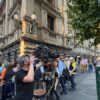
While some unauthorized protests have taken place despite the ban—like a recent march condemning US strikes on Venezuela—participants risk arrest for obstructing traffic. Critics argue that the police’s ability to issue move-on directions, even during static gatherings, creates a chilling effect on free speech.
Next Steps: The upcoming court hearing on January 29 will be pivotal in determining the fate of the protest ban and the future of public demonstrations in Sydney. Activists are rallying support, emphasizing that the community’s response will be crucial in defending their right to protest.
This developing situation highlights the tension between public safety measures and the fundamental right to free expression, making it a critical moment for activism in Australia. Stay tuned for further updates as this story unfolds.