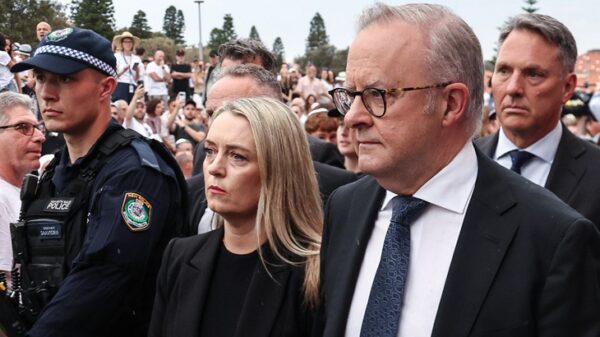



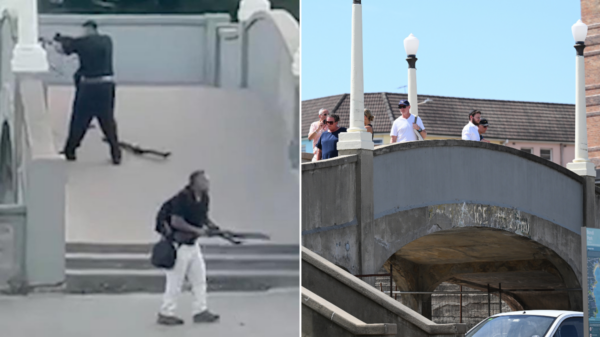
















UPDATE: A legal challenge against a contentious NSW police ban on protests is escalating, potentially involving multiple states and territories. This urgent legal battle arises in the wake of a terrorist attack at Bondi Beach that left 15 dead in December, prompting police to impose restrictions on public gatherings.
The NSW Police gained authority to refuse protest permits in key Sydney areas for up to three months following a declared terror event. Police Commissioner Mal Lanyon swiftly enacted a ban, extending it for an additional fortnight just days ago, citing rising community tensions.
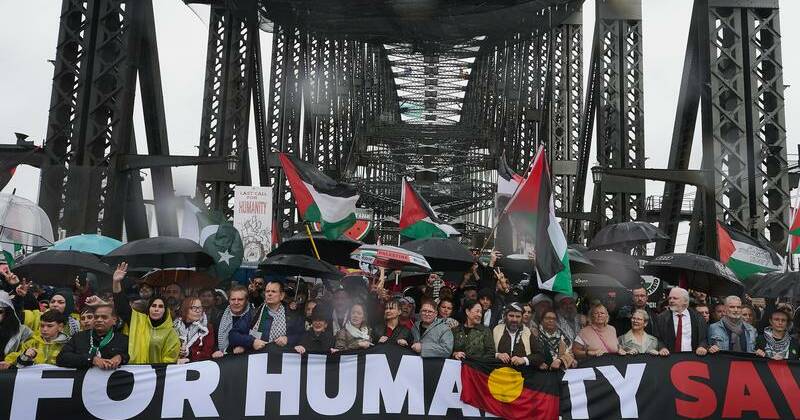
A coalition of activist groups, including the Blak Caucus, Palestine Action Group, and Jews Against the Occupation ’48, filed a legal challenge in the NSW Supreme Court, arguing that the ban infringes on fundamental rights to protest and could be unconstitutional. The case was highlighted in court on Thursday, as Justice Julia Lonergan noted the urgency of the matter, particularly with significant protests planned for January.
Justice Lonergan expressed concerns over the proposed timetable, indicating that it does not allow adequate time for other Australian states and territories to address this constitutional issue. She stated, “There’s no opportunity for people seeking to intervene to appear, and given the subject matter in these proceedings, there may well be interveners who wish to be involved.”
The critical hearing is set for January 29, 2024, days after the current ban expires on January 20, 2024. Activist groups emphasized the pressing nature of this dispute, particularly with rallies planned to commemorate the 10th anniversary of David Dungay Jr.‘s death in custody and the annual Invasion Day protest on January 26.
In a statement, the Palestine Action Group declared their solidarity with Indigenous communities, stating, “Our collective voices will not be silenced by the Minns government.” They argued that the ban affects all movements reliant on the right to assemble and express freely.
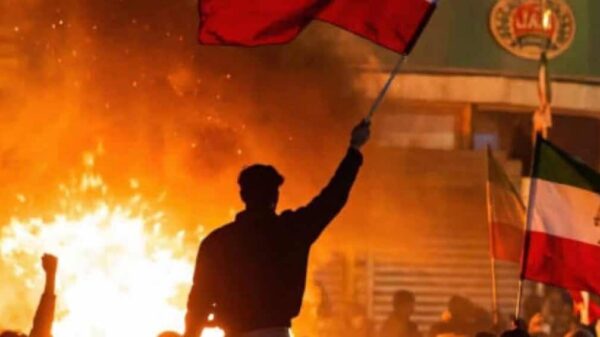
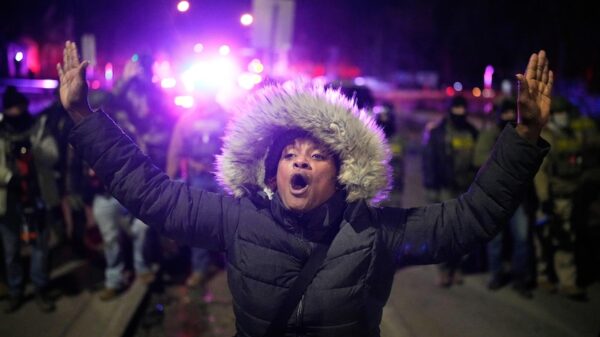
Despite the ban, some unauthorized protests have occurred, including a march against US strikes on Venezuela, exposing participants to arrest for obstructing traffic. Critics argue the police’s power to issue move-on directions has a chilling effect on public dissent.
Commissioner Lanyon defended the extension of the protest ban, asserting that public assemblies pose risks to safety during this sensitive period. “This is not about stopping free speech,” he stated. “It’s about saying: this is not a time for protest.”
NSW Premier Chris Minns has backed the police’s decision, describing the measures as “absolutely essential in keeping order and peace” following the tragic events at Bondi Beach.
As the legal challenge unfolds, the implications for protest rights across Australia remain profound. Activists and community members are closely watching the developments, with the potential for widespread ramifications on the right to assemble and voice dissent.
Stay tuned for updates as this story develops. Share this urgent news with others to keep the conversation going.