


























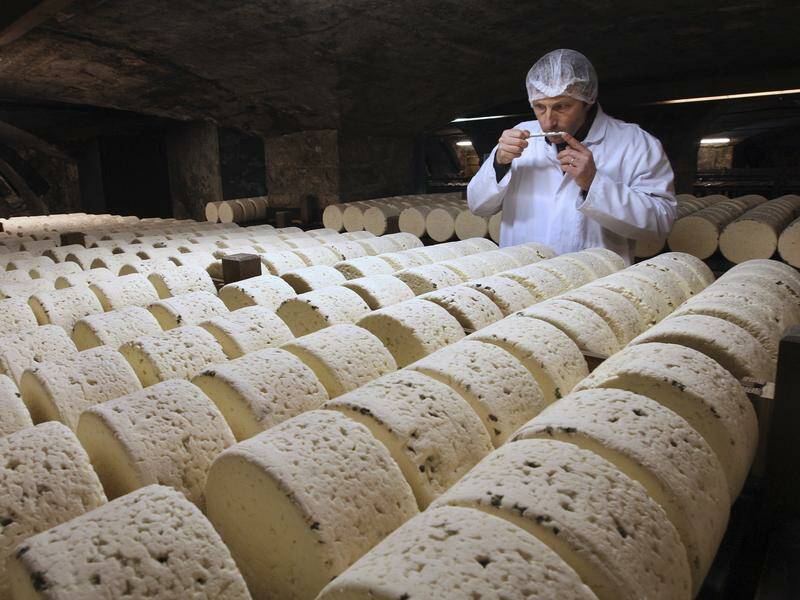
China has announced provisional tariffs of up to 42.7 percent on certain dairy products imported from the European Union (EU), marking a significant escalation in trade tensions. This decision follows the completion of an anti-subsidy investigation which is widely interpreted as a response to the EU’s tariffs on Chinese electric vehicles. The tariffs will take effect on March 5, 2024, and primarily target dairy items such as milk and cheese, including the renowned French blue cheese Roquefort.
The new tariffs will range from 21.9 percent to 42.7 percent. Most companies are expected to face an average tariff rate of approximately 30 percent. The European Commission has not yet provided a public response to this development. It is important to note that these tariffs are provisional and may be subject to revision pending a final ruling in the ongoing investigation.
Trade relations between China and the EU have become increasingly strained since the EU initiated an anti-subsidy probe into Chinese electric vehicles in 2023. In response, China has launched its own investigations and imposed tariffs on other EU products, including brandy and pork. Recently, tariffs on EU pork were significantly reduced, indicating a possible willingness from Beijing to negotiate.
The Ministry of Commerce in China stated that they found evidence suggesting that EU dairy imports are subsidized and detrimental to local producers. In 2024, China imported $589 million worth of dairy products from the EU, which mirrors the figures from the previous year.
Among the companies affected, Arla Foods, which owns brands such as Lurpak and Castello, will pay tariffs between 28.6 percent and 29.7 percent. Italian firm Sterilgarda Alimenti SpA will benefit from the lowest tariff rate of 21.9 percent, while FrieslandCampina Belgium N.V. and FrieslandCampina Nederland B.V. will face the highest rate of 42.7 percent. Firms that did not participate in the investigation will incur the highest tariff rates.
This decision is likely to be welcomed by Chinese dairy producers who are facing challenges such as overproduction and declining prices, exacerbated by changing consumer preferences and lower birth rates. As the world’s third-largest milk producer, China has urged its dairy producers to reduce output and consider culling older and less productive cows to stabilize the market.
Negotiations regarding the EU’s electric vehicle tariffs resumed earlier this month, although no announcements have been made since the discussions were originally scheduled to conclude. A senior European diplomat in Beijing highlighted ongoing significant issues between the two parties. As trade disputes continue to unfold, the global dairy market will be closely watching these developments.