



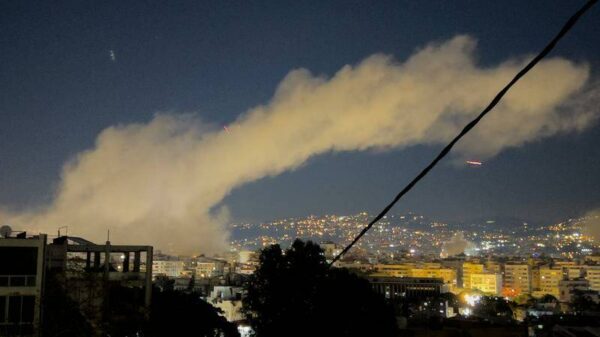
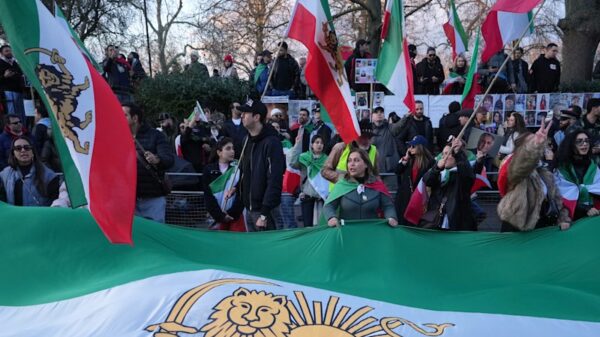

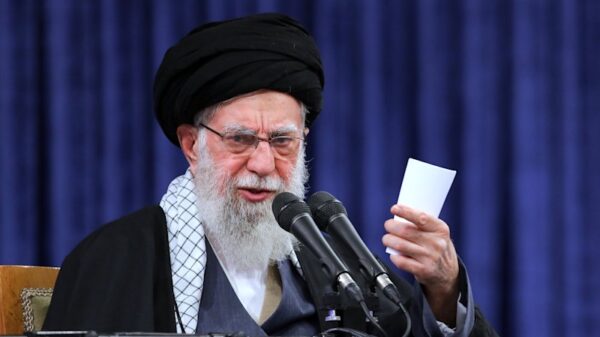






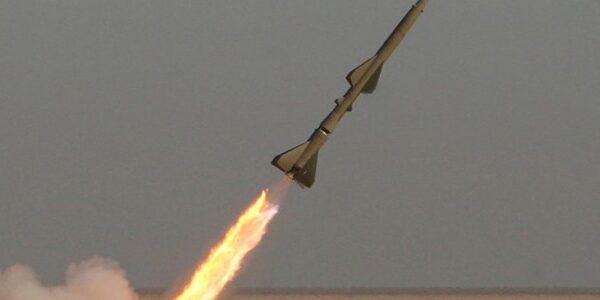











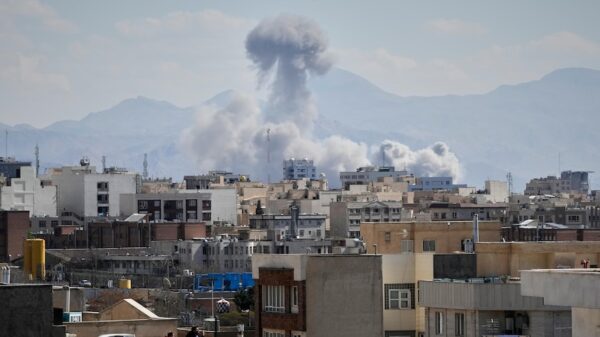




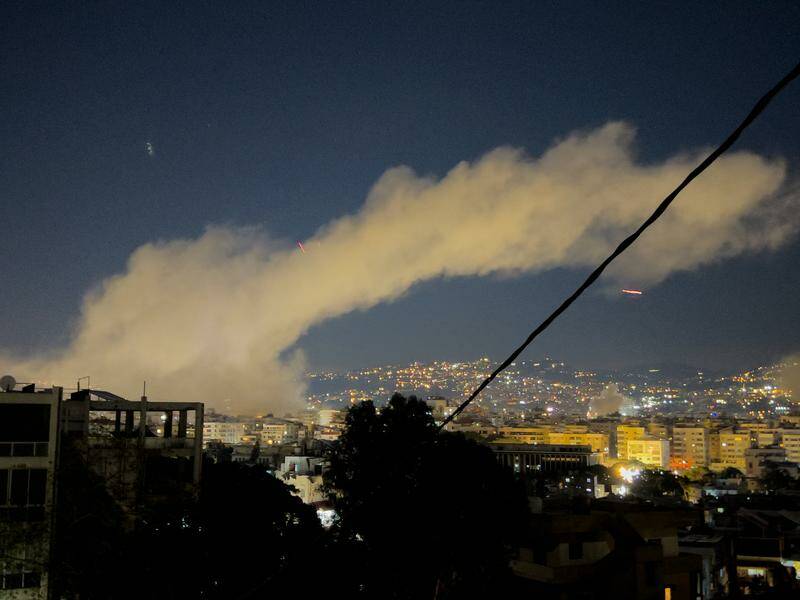
Israel has intensified its military operations in response to recent attacks by Hezbollah, the Iran-backed militant group based in Lebanon. Following the launch of missiles and drones from Hezbollah towards Israeli territory, Israel executed air strikes targeting sites connected to the group in southern suburbs of Beirut on March 15, 2024. This escalation follows the killing of Iran’s Supreme Leader Ali Khamenei, which has heightened tensions across the Middle East.
The Israeli military reported intercepting a projectile launched from Lebanon, with additional missiles landing in open areas within Israel. The air strikes were concentrated near Hezbollah-controlled regions, resulting in over a dozen explosions that sent residents fleeing in panic. In a statement, Israel declared that Hezbollah would bear full responsibility for any escalation in the conflict.
Tensions have been further exacerbated by a series of military actions initiated by the United States and Israel against Iranian targets, which commenced on March 13, 2024. According to the Israeli military, they have achieved aerial superiority over Tehran, executing strikes on intelligence, security, and military command centers. The US military confirmed that its forces have targeted over 1,000 Iranian sites since the onset of these operations.
US Response and Regional Implications
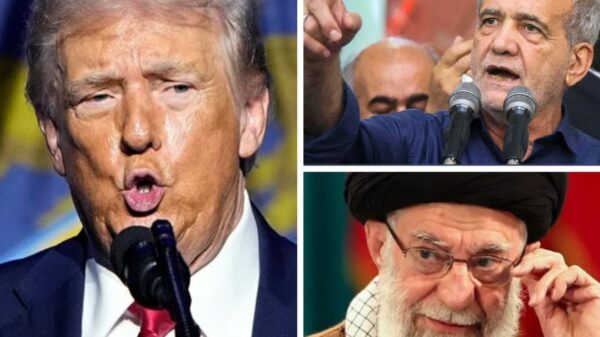
US President Donald Trump acknowledged the first American casualties in the campaign, confirming the deaths of three US service members in Kuwait. In a video message, Trump referred to the fallen soldiers as “true American patriots,” while warning that further casualties may occur. He emphasized that military operations would continue until all objectives are met, stating, “I call upon all Iranian patriots who yearn for freedom to seize this moment.”
As the conflict unfolds, the political ramifications for Trump’s administration are significant, particularly with midterm elections approaching. A recent Reuters/Ipsos poll indicated that only approximately one-in-four Americans support the military operations. Trump’s administration has not articulated a long-term strategy for Iran amidst growing chaos following Khamenei’s death.
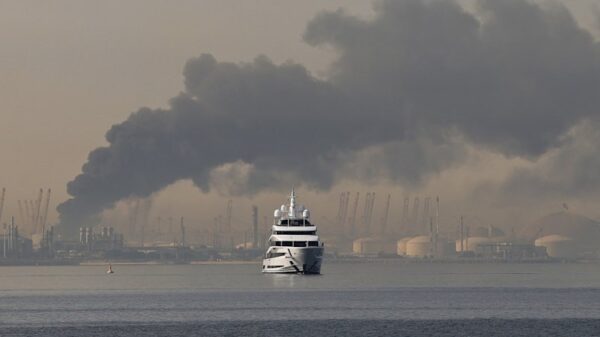
The ongoing conflict has also disrupted global markets, particularly in oil. Following the attacks, oil prices surged, and shipping data revealed numerous vessels, including oil tankers, anchoring in nearby waters in anticipation of further price increases. Major airports across the Middle East, including Dubai, the world’s busiest international hub, faced significant operational disruptions due to air strikes.
Hezbollah’s Retaliation and Broader Conflict
Hezbollah has vowed to retaliate for the Israeli strikes, warning that any further aggression will escalate the situation. The Lebanese presidency reported that the US ambassador had communicated that Israel would refrain from escalating against Lebanon unless provoked. Nevertheless, the Israeli military has urged residents in southern and eastern Lebanese villages to evacuate as a precautionary measure.
In response to the heightened conflict, Iran’s Revolutionary Guards announced that they had targeted three US and UK oil tankers in the Gulf and launched attacks on military bases in Kuwait and Bahrain using drones and missiles. The developments signal a widening conflict that threatens to reshape the geopolitical landscape of the Middle East.
The situation remains fluid, with both sides poised for further action as international observers closely monitor the escalating violence. The potential for broader regional conflict increases as military operations continue, requiring careful diplomatic navigation to avoid further escalation.