





























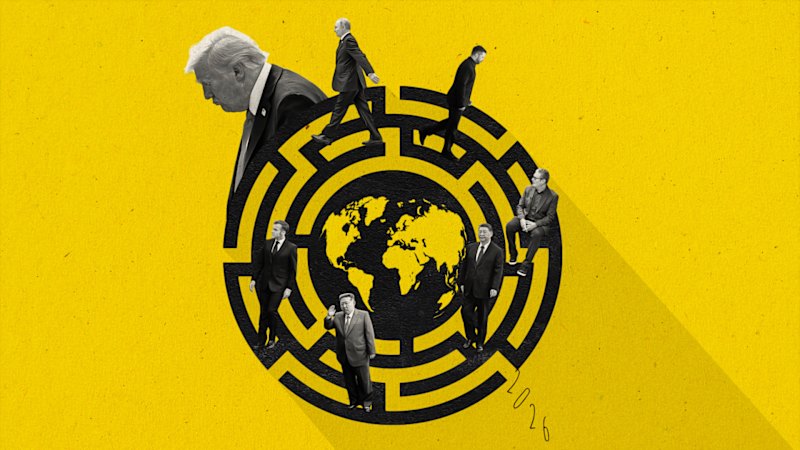
As the world prepares for 2026, various factors are set to influence global dynamics significantly. The upcoming midterm elections in the United States, coupled with geopolitical tensions stemming from Moscow, form a critical narrative that could reshape political landscapes worldwide. Observers are keenly aware that the choices made in the U.S. will likely reverberate across continents.
The United States midterms, scheduled for November 2026, are poised to be pivotal. With high stakes involved, the elections will determine control of Congress and could impact President Joe Biden‘s legislative agenda. Analysts suggest that the outcome will play a crucial role in defining policy directions not only domestically but also in international relations.
In parallel, tensions between the United States and Moscow continue to simmer, primarily due to ongoing conflicts and diplomatic standoffs. The Kremlin’s actions are under close scrutiny, particularly regarding its influence on global security and economic stability. As 2026 approaches, the international community watches closely to see how these tensions will unfold and their potential implications for trade and cooperation.
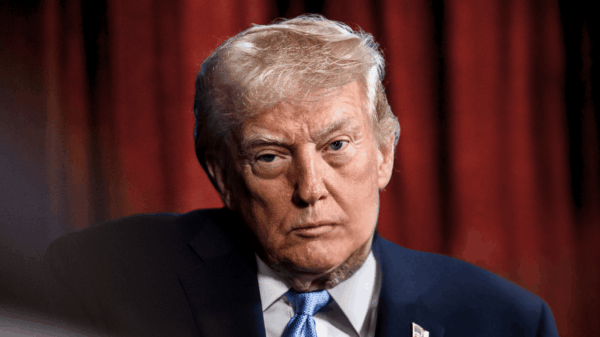
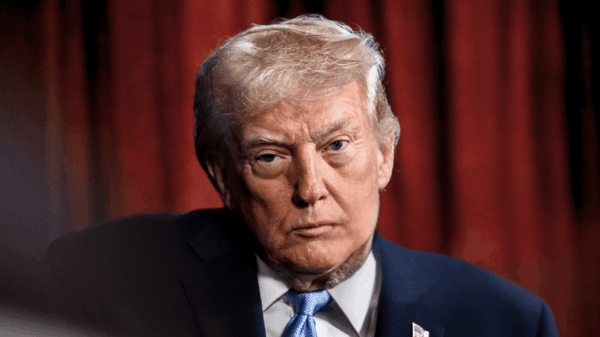
Political movements within the United States, particularly the influence of the MAGA faction, led by former President Donald Trump, are also pivotal in shaping the landscape. The MAGA movement has mobilized significant grassroots support, which could sway voter turnout and impact the midterm elections. The potential return of Trump to the political forefront adds another layer of complexity to an already volatile political environment.
As the midterms draw closer, campaigns across the nation are intensifying. Key issues such as the economy, healthcare, and immigration are expected to dominate discussions among voters. Candidates will need to address these topics while navigating the broader implications of U.S. relations with allies and adversaries.
The interconnectedness of these events emphasizes the importance of political developments in the U.S. on a global scale. Decisions made in Washington could influence everything from economic partnerships to military alliances. For instance, shifts in U.S. foreign policy might alter the balance of power in regions where Moscow has significant influence.
In summary, the events of 2026, influenced by the U.S. midterms and geopolitical tensions with Moscow, have the potential to reshape political landscapes worldwide. As the year progresses, the focus will remain on how these dynamics unfold and their implications for global relations. Observers will undoubtedly monitor the electoral outcomes and their impact on the United States’ role in international affairs.