


























The outlook for Australia’s mining industry in 2026 reveals a complex landscape for key commodities including iron ore, gold, rare earths, and lithium. Following a year marked by fluctuating prices and evolving market dynamics, stakeholders are closely monitoring developments that could impact this vital sector.
Iron Ore: Market Dynamics Shift
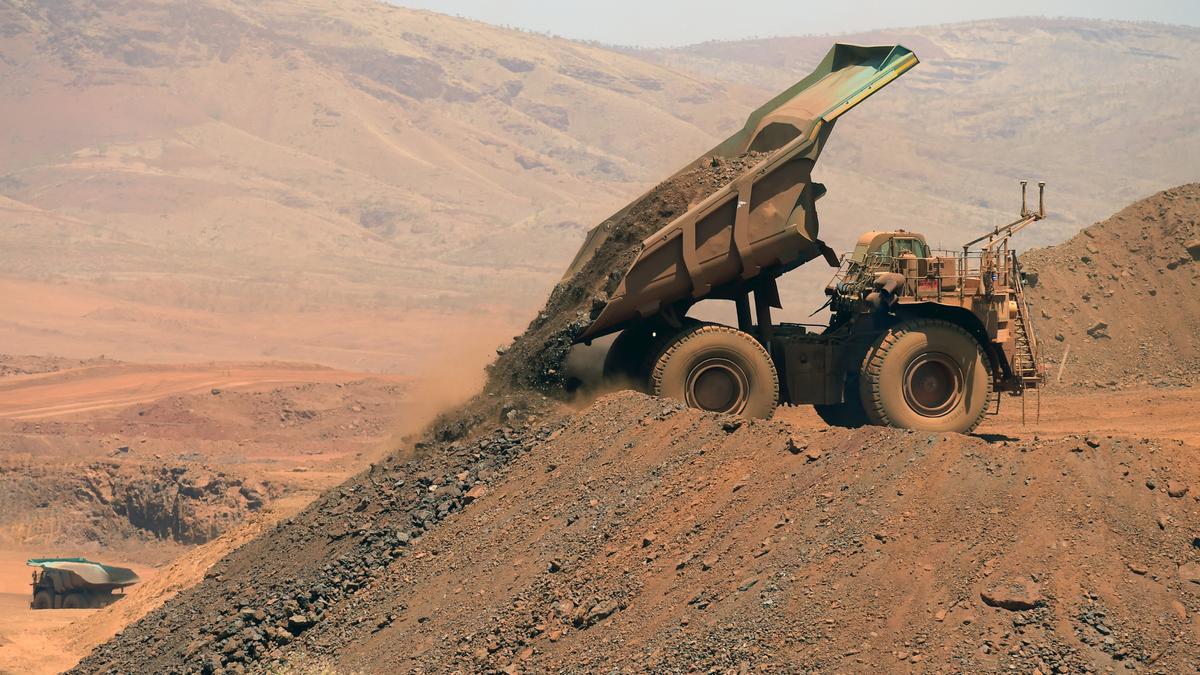
Iron ore continues to dominate Australia’s mining sector, primarily sourced from the Pilbara region. This essential steel-making ingredient generates over $100 billion in annual export income and contributes more than $8.5 billion in royalties to Western Australia. Economists from major banks had predicted a decline in iron ore prices to around $80 per tonne in 2025, but the commodity defied those expectations, averaging $103 per tonne throughout the year and currently trading at $104 per tonne.
Despite these positive trends, analysts caution that prices are likely to fall below $100 per tonne in 2026. The anticipated influx of iron ore from the newly operational Simandou mine in West Africa is expected to exert downward pressure on global prices. Additionally, a slowdown in China’s economy, the world’s largest iron ore consumer, raises further concerns for the Australian market. Compounding these issues is an ongoing dispute between BHP and China’s primary iron ore buyer regarding pricing, which could adversely affect local miners.
Gold: A Record-Breaking Year
In stark contrast to iron ore, gold experienced a remarkable surge in 2023. The price of gold soared, surpassing $4,450 per ounce and reaching a record high of over $3,000 per ounce in March. Market analysts suggest that the price may exceed $5,000 per ounce in the upcoming year, bolstered by geopolitical tensions, including events surrounding former US President Donald Trump and potential military actions in Venezuela.
According to Kenneth Wan, a portfolio manager at Drummond Knight Asset Management, historical trends indicate that gold bull markets typically last between five to seven years, suggesting further upward momentum is possible. Even in the event of a price decline, Western Australia’s gold miners are well-positioned, as they would still remain profitable with prices dropping by up to $1,000 per ounce. Despite gold’s impressive performance, its contribution to state revenue pales in comparison to that of iron ore.
Rare Earths: Geopolitical Tensions and Supply Challenges
The rare earths market has captured significant attention due to its strategic importance in various industries, particularly military applications. These elements, essential for the production of advanced technology such as laser-guided missiles and fighter jets, are predominantly controlled by China, which poses a challenge for other nations seeking to establish independent supply chains.
In response to these geopolitical dynamics, the US Government and the Albanese Government in Australia signed a multi-billion-dollar agreement in October 2023 to develop rare earth mines and processing facilities. However, the dependence on Chinese equipment for mining and refining processes remains a significant hurdle, as it is uncertain whether China will provide these resources at reasonable prices to competitors.
Lithium: Volatility and Future Prospects
Western Australia’s lithium sector experienced a tumultuous year, with prices for spodumene concentrate fluctuating dramatically. Beginning the year at approximately $820 per tonne, prices dipped below $600 per tonne by mid-2023, before rebounding to over $1,200 per tonne by year-end. Analysts suggest that a price of roughly $1,000 per tonne is crucial for profitability across the industry.
The latter half of 2023 saw a surge in demand for lithium, particularly due to regulatory changes in China that affected several mining permits, coupled with increasing interest in energy storage solutions like the Tesla Powerwall. Predictions for 2026 remain mixed; while some analysts anticipate that increased lithium production from China will meet demand, others warn of continued volatility in the market.
As Australia’s mining industry navigates these varied landscapes, the interplay of global economic conditions, geopolitical tensions, and commodity-specific factors will undoubtedly shape its future. Stakeholders across the sector will need to remain agile and informed to adapt to the evolving marketplace.