































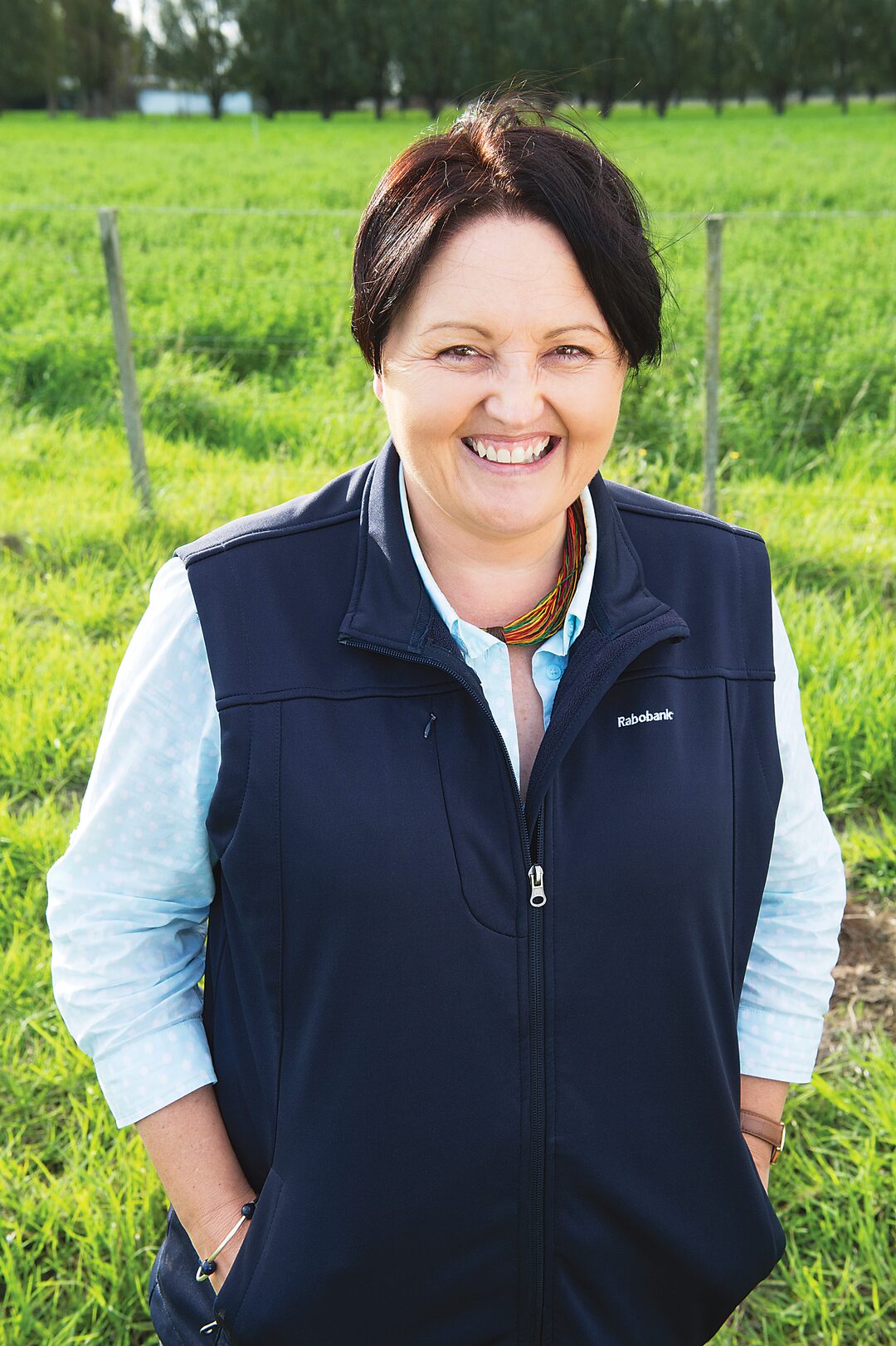
Confidence among farmers in Victoria has surged to its highest level in over four years, reflecting a positive outlook for the agricultural sector. According to a recent survey conducted by the Australian Bureau of Agricultural and Resource Economics and Sciences (ABARES), the rural sentiment index for the state has shown significant improvement, reaching its peak in August 2023.
The survey indicates that a combination of favorable weather conditions, strong commodity prices, and increasing demand for agricultural products has contributed to this boost in confidence. Many farmers have reported optimism about their financial prospects, with a notable percentage planning to invest in their operations in the coming year.
Positive Indicators for the Agricultural Sector
The results of the survey reveal that approximately 75% of Victorian farmers feel more confident about their business outlook compared to previous years. This optimism is underpinned by rising prices for key commodities such as grains and livestock, which have remained strong despite global economic challenges.
Furthermore, the report highlights that farmers are increasingly optimistic about their ability to manage risks related to climate change and market fluctuations. Many have implemented sustainable practices that not only enhance productivity but also contribute positively to the environment.
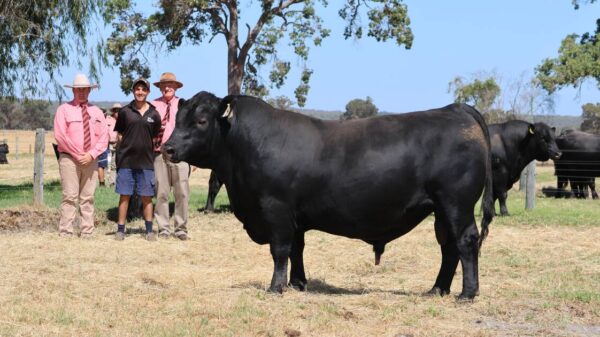
The findings resonate with the sentiments expressed by farmers during local agricultural shows and community meetings. Farmers have noted that the support from agricultural organizations and government initiatives has played a crucial role in bolstering their confidence.
Challenges Remain Despite Optimism
While the survey paints an encouraging picture, challenges still loom on the horizon. Issues such as labor shortages, supply chain disruptions, and fluctuating input costs continue to concern farmers across the state.
The Gippsland Times, a local publication, reported that many farmers are advocating for more support from the government to address these challenges. Farmers are calling for policies that enhance workforce availability and improve infrastructure to facilitate better market access.
Despite these hurdles, the overall sentiment among Victorian farmers remains optimistic, with many looking forward to a fruitful season ahead. The results of the survey not only reflect the resilience of the agricultural community but also highlight the importance of adaptability in navigating the complexities of modern farming.
As the agricultural sector continues to evolve, the sustained confidence among farmers in Victoria may serve as a benchmark for other regions in Australia and beyond.