




























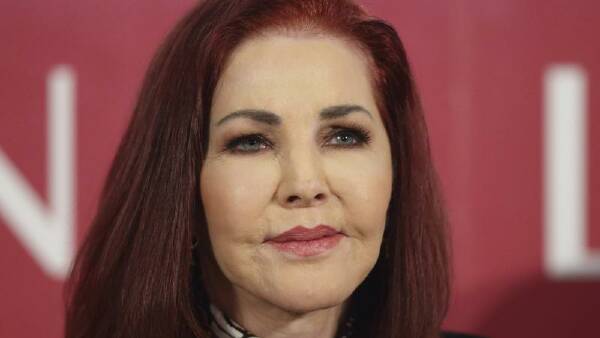







Vivian Dunstan’s experience with attention-deficit hyperactivity disorder (ADHD) took a significant turn when she entered menopause approximately four years ago. Diagnosed in her 50s, Dunstan found that the onset of menopause exacerbated her symptoms, making daily tasks increasingly overwhelming. She described feeling as though the coping mechanisms she once relied on had vanished. “Everything’s a bit more effort now,” she stated, reflecting the struggles faced by many women in similar situations.
A recent study conducted in Australia highlights that Dunstan’s challenges are not isolated. Involving 600 women diagnosed with ADHD, the research found that an overwhelming 97 percent reported worsening symptoms during menopause. This study, set to be published in the February 2024 edition of the Journal of Psychiatric Research, aims to explore the influence of hormonal changes on ADHD symptoms throughout different life stages.
Historically, ADHD has been associated with males, particularly those exhibiting hyperactive behaviors. However, there is a growing recognition that women, who often display inattentive traits, are also significantly affected. The lead author of the study, PhD candidate Elyssa Osianlis from Monash University, emphasized the importance of understanding how menopause impacts these women. “We could be helping these women who are experiencing changes… getting to the underlying mechanism, and seeing how we might be able to improve their treatments,” Osianlis noted.
The hormonal shifts that accompany menopause, particularly the drop in estrogen levels, can have profound effects on brain function. Associate Professor Caroline Gurvich, a clinical neuropsychologist and co-author of the study, explained that estrogen protects the brain against inflammation and cell death. “That transition phase, for many women, is a time of vulnerability,” she said. “That’s when it seems to highlight, or perhaps uncover, an ADHD there’s always been there.”
The study also revealed that more than 70 percent of women surveyed experienced a worsening of their ADHD symptoms after childbirth. Additionally, 88 percent reported changes in their symptoms in relation to their menstrual cycle, with the majority—74 percent—noticing increased difficulties during the luteal phase. These findings underscore the need for further investigation into the intersection of hormonal fluctuations and ADHD.
The next phase of research will employ brain imaging and hormone analysis to create cognitive profiles for women with ADHD, aiming to deepen understanding of their unique challenges. Dr. Kristi Griffiths, a behavioural neuroscientist at the University of Sydney, highlighted the significance of this research. “Typically, research has taken the easier route, which is males with their more steady systems,” she remarked. For women with ADHD, navigating their condition requires additional effort, and hormonal changes only complicate this further.
Dunstan, who founded ADHD Support Australia to assist others facing similar challenges, expressed that the research offers validation for women who have received late diagnoses or those who have noticed increasing difficulties as they approach midlife. “Women have been thinking, ‘it’s just me’, and they’re just trying to push themselves harder instead of being a bit kinder to themselves,” she said.
As the conversation around ADHD and its impact on women continues to evolve, this study marks an important step in understanding how hormonal changes throughout a woman’s life can influence mental health. The findings not only shed light on the experiences of women like Vivian Dunstan but also pave the way for more targeted support and treatment options in the future.