



































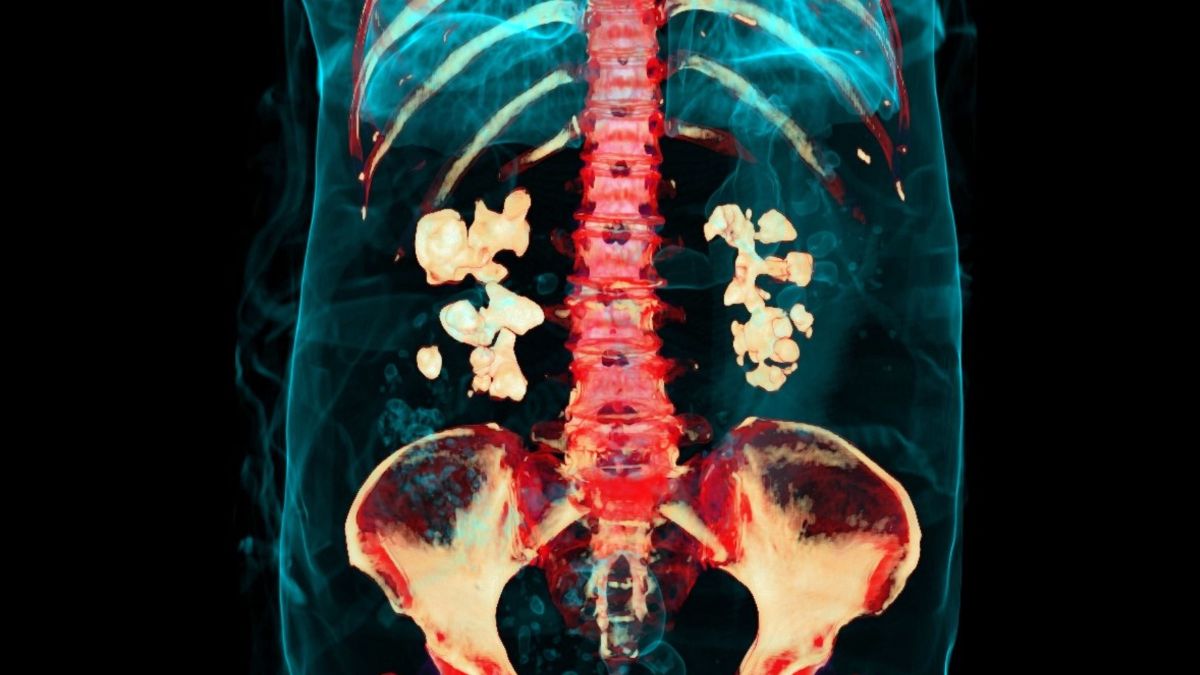
A recent study conducted by researchers at the University of California, San Diego has uncovered a previously unrecognized role of bacteria in the formation of kidney stones. This discovery may pave the way for innovative treatment strategies aimed at preventing this painful condition, affecting millions worldwide.
The research, published in the Journal of Clinical Investigation in March 2024, reveals that certain bacteria potentially contribute to the development of kidney stones by interacting with minerals in the urine. The findings challenge the long-held belief that kidney stones are solely a result of dietary factors and genetic predisposition.
Researchers examined urine samples from over 1,500 patients diagnosed with kidney stones. They identified specific bacterial species that appeared more frequently in the urine of stone formers compared to healthy individuals. This correlation suggests that these bacteria might play a significant role in the crystallization process that leads to stone formation.
The lead author of the study, Dr. Emily Chen, a microbiologist at the university, emphasized the importance of these findings. “Our study suggests that bacteria are not just passive bystanders in the urinary tract; they may actively contribute to kidney stone formation,” Dr. Chen explained. She noted that understanding this relationship opens up new avenues for targeted therapies that could disrupt bacterial activity, potentially reducing the incidence of stones.
Kidney stones are a common health issue, with approximately 10% of adults experiencing them at least once in their lifetime. The condition can lead to severe discomfort, urinary tract infections, and in some cases, kidney damage. Current treatment options primarily focus on managing symptoms and surgical intervention for larger stones, highlighting the need for preventative measures.
The study also examined how different strains of bacteria varied in their impact on stone formation. Some bacteria were found to enhance the crystallization of specific minerals, while others appeared to inhibit the process. This duality highlights the complexity of the microbiome’s role in kidney health.
As the research community continues to explore the gut microbiome’s influence on various health conditions, these findings align with a growing body of evidence suggesting that bacteria play a more significant role in human health than previously understood. Dr. Chen and her team plan to conduct further studies to investigate whether manipulating the urinary microbiome could lead to effective prevention strategies.
In summary, the discovery of bacteria’s involvement in kidney stone formation holds promise for new treatment approaches. As researchers delve deeper into this relationship, there is hope that innovative therapies could emerge, ultimately reducing the burden of kidney stones on patients and healthcare systems alike. The implications of this study may extend beyond urology, potentially informing broader discussions about the role of the microbiome in overall health.