




























Australia is grappling with an alarming surge in registered firearms, prompting calls from the Albanese government for tighter gun laws. Recent data from the Home Affairs Department reveals that the total number of registered firearms across the country has reached a staggering 4,113,735, with 929,741 active licenses. This figure surpasses the number of firearms in the aftermath of the Port Arthur massacre in 1996.
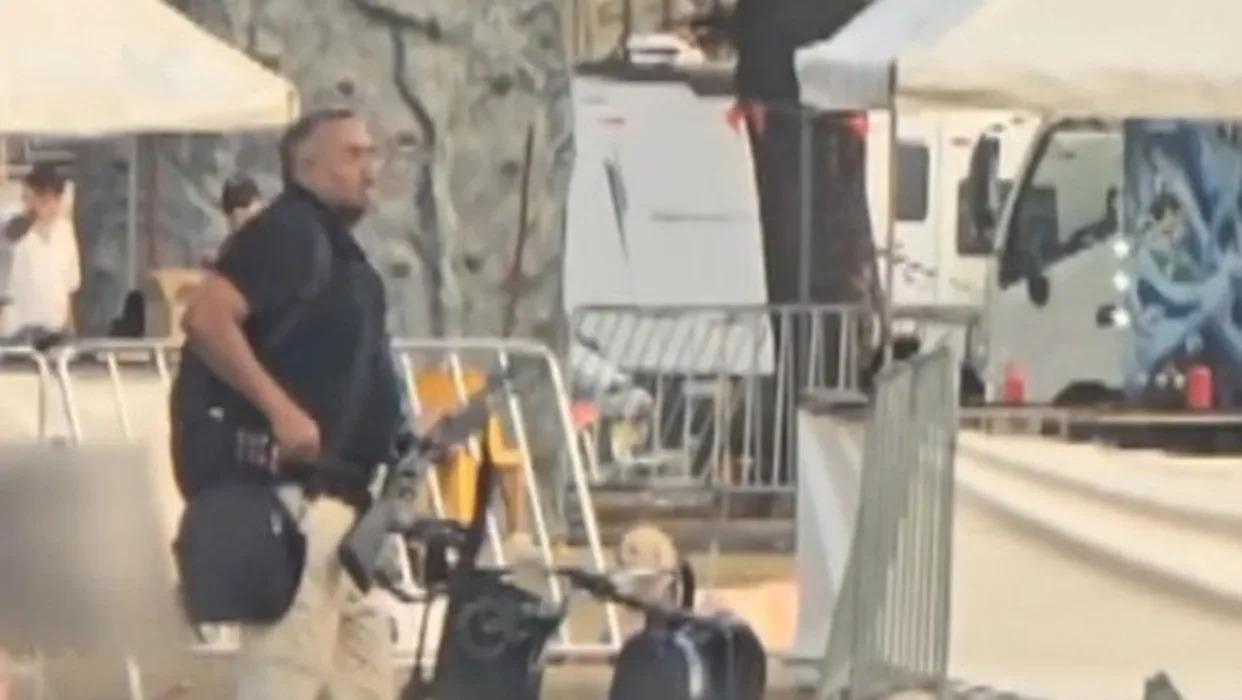
As parliament reconvenes on Monday, the government is advocating for significant reforms in response to the tragic antisemitic terrorist attack at Bondi Beach. According to Home Affairs Minister Tony Burke, this incident underscores the urgent need to enhance public safety. “The deadly attack is a national tragedy which can never be allowed to happen again,” Burke stated. He emphasized the dual approach of addressing both the motivations behind such violence and the practical measures to strengthen gun laws.
Proposed Reforms and Buyback Scheme
The proposed reforms include a gun buyback scheme, which aims to remove dangerous firearms from circulation. The federal government intends to share the financial burden with state and territory governments, covering 50% of the costs. However, the proposal has met resistance from various states. For instance, Tasmania has indicated that participation could cost the already cash-strapped state around $20 million. Similarly, Northern Territory Chief Minister Lia Finocchiaro has categorically rejected the scheme, and Queensland has expressed hesitance in supporting the initiative.
The National Party, led by David Littleproud, has also voiced strong opposition to the proposed legislation. Littleproud argues that the reforms would unfairly impact law-abiding gun owners without addressing the root causes of incidents like the Bondi attack. He insists that Australia does not have a gun problem, but rather a radical ideological issue that needs to be tackled. “We’ve known that for over two years,” he remarked, referencing past instances of hate speech and violence.
Government’s Commitment to Public Safety
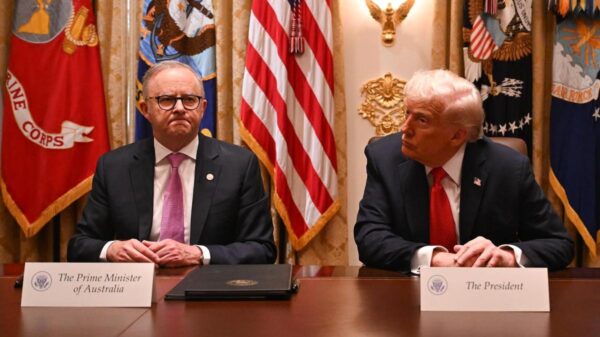
Despite the pushback, Prime Minister Anthony Albanese has defended the proposed changes as a matter of common sense aimed at bolstering public safety. The reforms would not only establish stricter limits on individual gun ownership but also introduce regulations on open-ended firearms licensing and restrict the types of firearms that can be legally owned. Additionally, the government plans to make Australian citizenship a prerequisite for obtaining a gun license and aims to expedite the creation of a national firearms register.
The Greens Party has expressed support for the proposed legislation, potentially paving the way for smoother passage through the Senate. As the government moves forward with its agenda, the public and lawmakers alike are closely watching how these reforms will shape the landscape of gun ownership in Australia.
The issue remains a contentious topic, highlighting the ongoing debate over balancing individual rights with community safety in the context of firearm regulations.