
































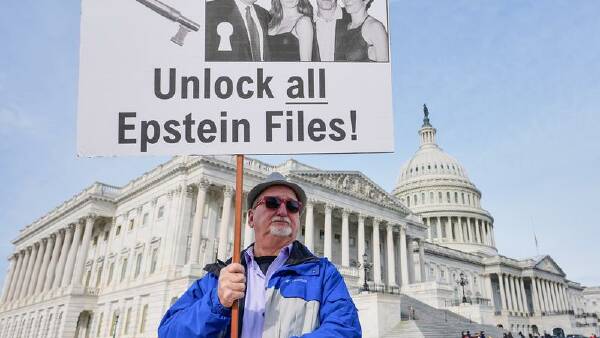
Bipartisan frustration is escalating regarding the slow release of documents related to convicted sex offender Jeffrey Epstein by the United States Department of Justice (DOJ). Lawmakers from both sides of the political aisle are threatening to hold Attorney General Pam Bondi in contempt of Congress if the DOJ does not expedite the disclosure of these files.
On January 5, 2024, the DOJ released thousands of documents, but many believe this effort falls short of transparency. Former President Bill Clinton has called for the immediate release of any documents pertaining to him, echoing widespread discontent with the DOJ’s handling of the case. “The DOJ needs to quit protecting the rich, powerful, and politically connected,” stated Representative Thomas Massie, a Republican from Kentucky, in a post on social media platform X.
The controversy surrounding the Epstein files has been ongoing for years, creating divisions within the Republican Party. Supporters of former President Donald Trump are particularly vocal about the need for full disclosure. While Trump has referred to the situation as a Democratic “hoax,” he also signed legislation requiring the comprehensive release of Epstein-related documents.
In a collaborative effort, Massie and Representative Ro Khanna, a Democrat from California, are working together to push for the release of additional documents. During an interview on MS Now, they indicated that if the DOJ fails to comply after a “30-day grace period,” they would consider pursuing contempt charges against Bondi in the House of Representatives. They also mentioned potential fines of up to $5,000 per day until the documents are fully released.
In the Senate, Senate Democratic Leader Chuck Schumer has introduced legislation aimed at compelling Majority Leader John Thune to take appropriate legal actions to ensure Congress gains access to all documents covered by the earlier legislation signed into law by Trump. The feasibility of Schumer’s proposal advancing in the Senate remains uncertain as lawmakers prepare to return from the holiday recess.
Clinton’s spokesperson, Angel Urena, has also voiced concerns, demanding the immediate release of any materials that reference the former president. “Someone or something is being protected. We do not know whom, what or why. But we do know this,” Urena stated, emphasizing a need for transparency. He further expressed that there is “widespread suspicion” that the DOJ is selectively releasing documents to imply wrongdoing about individuals who have already been cleared by the department.
Despite the DOJ releasing two batches of Epstein documents over the weekend, critics remain dissatisfied. Many have pointed out that the documents are marred by excessive redactions, with no clear explanation for the lack of transparency. Furthermore, a statement from a group identifying themselves as survivors of abuse by Epstein asserted that the public has received only “a fraction of the files,” and some victim identities were left unredacted.
As the situation continues to unfold, the interplay between legislative action and public demand for accountability remains critical. The coming weeks may determine whether Congress can secure the full release of Epstein-related documents, shedding light on a case that has long captivated the public’s attention and raised significant ethical questions about power and privilege in the judicial process.