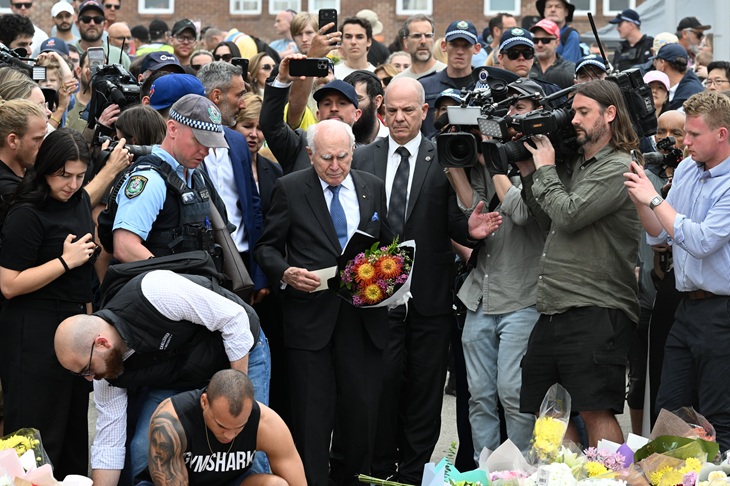
UPDATE: Australia is facing an urgent shift in its gun laws following the devastating terror attack at Bondi Beach earlier this month. The attack, which left innocent beachgoers in shock, has reignited a fierce debate about public safety and gun ownership in the nation.
In the aftermath, Labor Party officials have swiftly announced plans to tighten gun regulations, a move critics say is an attempt to sidestep deeper questions about national security. Just days after the attack, discussions surrounding the possession of firearms became heated, particularly after it was revealed that one of the alleged terrorists was in possession of six legal firearms.
Australians are questioning why individuals with ties to extremist ideologies were allowed to acquire weapons. The atmosphere of fear and uncertainty has intensified, leading many to demand clarity on the government’s approach to firearms and public safety. This is not just about disarming law-abiding citizens; it’s about understanding the risks posed by those on the ASIO watchlist.
December 2023 has marked a pivotal moment in Australian politics, as rising violence has stirred public discontent. Citizens are fed up with being labeled as “defenseless” while their safety concerns are dismissed. Politicians, meanwhile, are seen as washing their hands of responsibility, favoring rushed legislation over meaningful dialogue.
The tragic events at Bondi have sparked a complex conversation about the cultural and security landscape of Australia. While many Australians enjoy a laid-back lifestyle, the recent wave of violence and unrest challenges that perception. The influx of refugees from conflict zones and the resulting cultural shifts have left some feeling vulnerable in their own cities.
As the government scrambles for a solution, critics warn that hastily imposed gun laws will not address the root causes of violence. Instead, they call for a comprehensive review of who is acquiring firearms and why. With over four million guns in Australia today, the question remains: how many are in the hands of those holding radical views?
Officials have been reluctant to confront these pressing issues directly, fearing backlash from various political factions. The narrative surrounding gun ownership has become a political deflection, with many feeling that the real problems—such as radicalization and community safety—are being obscured by debates over legislation.
The Australian public is increasingly aware that these rushed measures could lead to a false sense of security. With terror threats looming, many are left wondering if politicians are more concerned about optics than actual public safety. The fear is palpable: will these new laws truly protect citizens, or will they leave vulnerable communities even more exposed?
As scrutiny mounts, the call for a deeper national discussion grows louder. Australians demand answers about gun ownership, immigration, and the broader implications of cultural shifts within the country. The urgency is clear: without addressing the underlying issues, the cycle of violence may continue, leaving citizens caught in the crossfire.
Stay tuned for continued updates as Australia grapples with these critical questions and the implications of the Bondi terror attack unfold.