





























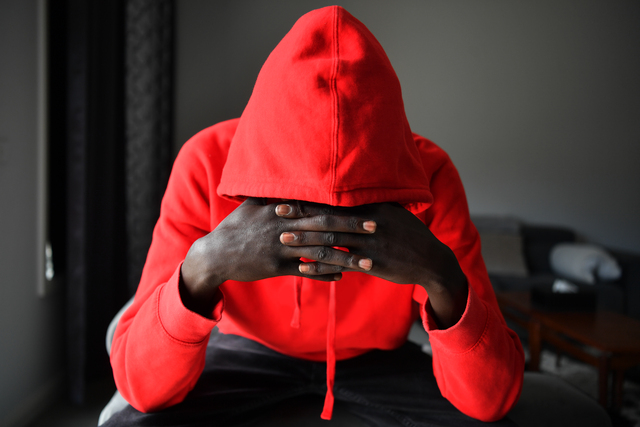
UPDATE: An urgent plea for change is echoing through Australian communities as trauma and violence continue to devastate African youth. Kerma Axume, a young advocate from Melbourne’s western suburbs, is bravely confronting the hidden epidemic of trauma linked to knife crime, suicide, and gang violence. His voice represents a growing demand for community support and mental health resources, as the effects of violence ripple through families and neighborhoods.
Kerma, who has faced profound loss, shared, “The emotional impacts include the disunity it creates in the family and community.” He highlighted the pervasive fear parents experience when their children engage in everyday activities. “We are always worried when our children go out for sports or other activities,” he stated, emphasizing the importance of proactive measures to prevent further tragedies.
The statistics are staggering. The rise in violence is fueled by external factors such as racism, negative media portrayals, and a lack of job opportunities, pushing some young people into harmful activities. “There is also an increase in racism towards the South Sudanese people,” Kerma noted, citing alarming media narratives that deepen divisions within the community.
Mental health experts are sounding the alarm on the insufficient resources available to African communities. Rose Deng, a mental health advocate and youth worker, is calling for an immediate increase in funding for culturally competent mental health services tailored to Sudanese youth. “It is important to understand the holistic needs of the Sudanese/South Sudanese youth,” Deng stressed, advocating for a collective approach to healing and support.
The NAS Recovery Centre, led by Nyachan Nyak, is stepping up to meet this urgent need. “We provide support to young people dealing with trauma, including grief and loss from violence,” Nyak affirmed. The Centre operates in Melbourne’s southeast and is expanding its reach to better serve these communities.
Community leaders are emphasizing that change cannot solely rely on government or health services. Kerma calls for unity among families, stating, “We need to actually be united. Not just talk about it, we need to also put it on ourselves.” He advocates for community-led support groups that can foster healing and dialogue among grieving families.
Nanchok Santino Chol, an artist and mental health advocate, echoes this sentiment. She has witnessed the tragic impact of violence on youth in her community and emphasizes the importance of creating safe spaces for grief discussions. “We need to be mindful that there are stages to grief,” she cautioned, underscoring the emotional complexity surrounding these conversations.
Despite the challenges, there is hope. Community members are rallying to support one another, seeking to amplify resilience and strength. “We can support and amplify the resilience and strength of community members who have experienced trauma,” Nanchok stated, advocating for empathy and understanding.
As the urgency for action escalates, it is clear that the time for change is now. Communities must come together to address these pressing issues and build a brighter future for the next generation. The call to action is loud and clear: support, understanding, and unity are essential in dismantling the cycle of trauma and violence.
Expect further developments as community leaders push for solutions and the voices of the youth continue to rise.