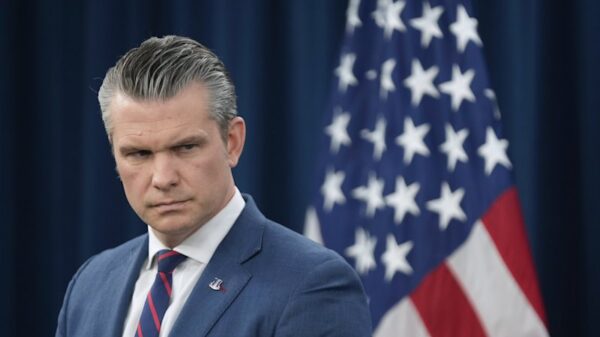

















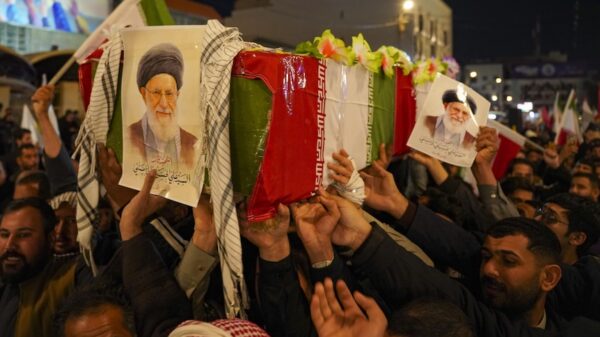

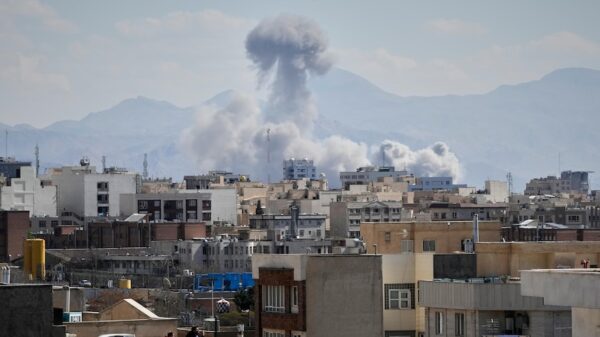



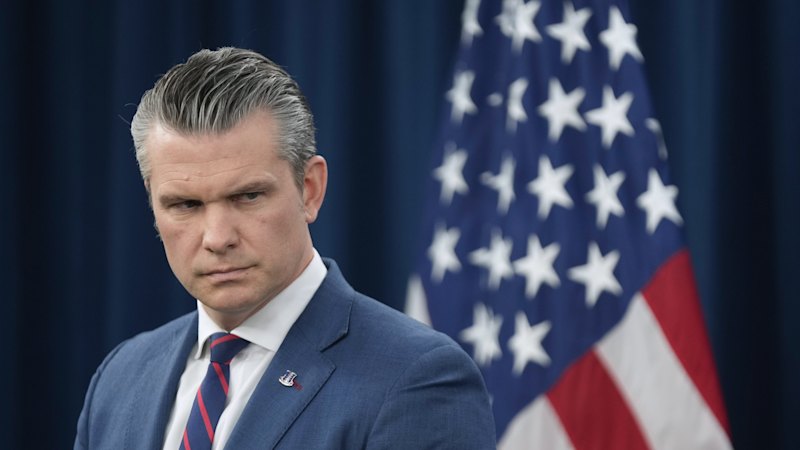
On March 3, 2026, US War Secretary Pete Hegseth addressed concerns regarding the escalating military actions against Iran, insisting that the current operations do not signify the onset of another prolonged conflict in the Middle East. In a press conference, Hegseth emphasized a focused campaign to dismantle Iran’s military capabilities, particularly its missile stockpiles, rather than pursuing regime change or nation-building efforts.
Hegseth’s remarks reflect frustration with what he termed the hesitancy of traditional US allies, particularly targeting Britain for its slow approval of American military operations from its bases. He characterized Israel as a “capable partner” in the coalition efforts while criticizing other nations for being overly cautious. “They wring their hands and clutch their pearls, hemming and hawing about the use of force,” he stated.
In response to the military actions, the European Union called for “maximum restraint” and adherence to international law. Similarly, statements from Australia and Canada expressed support for US measures aimed at preventing Iran from acquiring nuclear weapons and posing a broader threat to global peace.
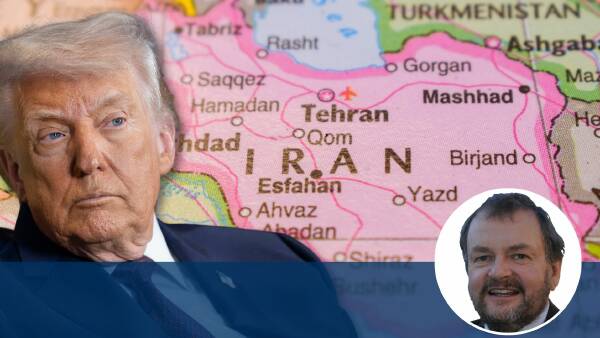
The comments from Hegseth came shortly after US President Donald Trump expressed disappointment with British Prime Minister Keir Starmer for the delays in granting the use of bases for US operations. Trump’s remarks highlighted the growing impatience within the US administration regarding the international response to Iran.
During the press conference, which also featured General Dan Caine, chairman of the Joint Chiefs of Staff, Hegseth did not rule out the possibility of deploying ground troops. He emphasized the need for decisive action, stating, “This operation is a clear, devastating, decisive mission: destroy the missile threat, destroy the navy, no nukes.”
Despite inquiries about a proposed timeline of four to five weeks for the military campaign, Hegseth dismissed such questions as “gotcha” inquiries. He assured the public that the operation would not evolve into an open-ended conflict, saying, “This is not Iraq, this is not endless… Our generation knows better and so does this president.”
Hegseth described the military strategy as “surgical, overwhelming, and unapologetic,” asserting that the US was conducting what he labeled “the most lethal and precise air power campaign in history.” His comments underscored a strategy aimed at maximizing combat effectiveness without the constraints of previous engagements.
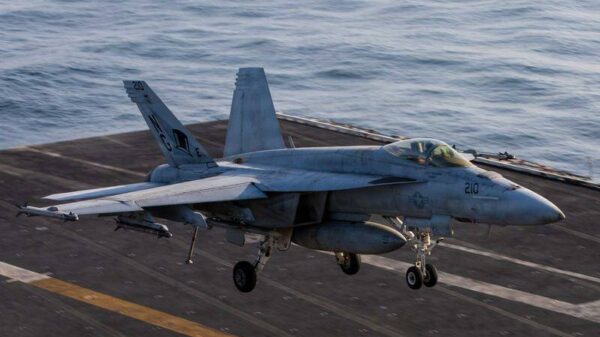
General Caine confirmed that additional military resources were being mobilized to the region, specifically mentioning enhanced tactical aviation. He refrained from divulging further details but noted, “We’re just about where we want to be in terms of total combat capacity and total combat power.”
On a troubling note, US Central Command reported the death of a fourth American service member who succumbed to injuries sustained during Iran’s initial counter-attack. This development has heightened concerns regarding the risks involved in the ongoing military operations.
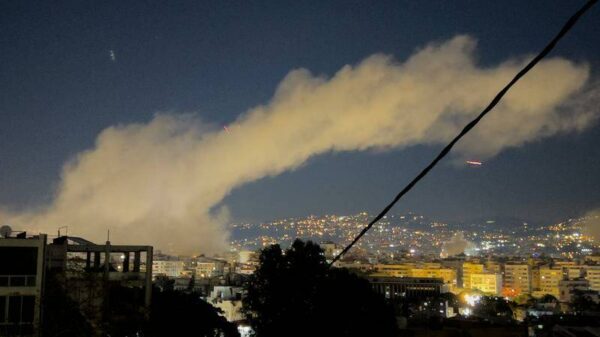
Trump also indicated a forthcoming escalation in military actions, stating, “We haven’t even started hitting them hard. The big wave hasn’t even happened. The big one is coming soon.” He assured that the US would continue its efforts as long as necessary, dismissing any suggestion of losing interest in the operation.
Hegseth’s statements and the administration’s strategic positioning highlight a commitment to a robust military approach against Iran, aiming for rapid results while avoiding the pitfalls of previous conflicts. As the situation unfolds, the international community remains watchful of the developments and their implications for regional stability.