



































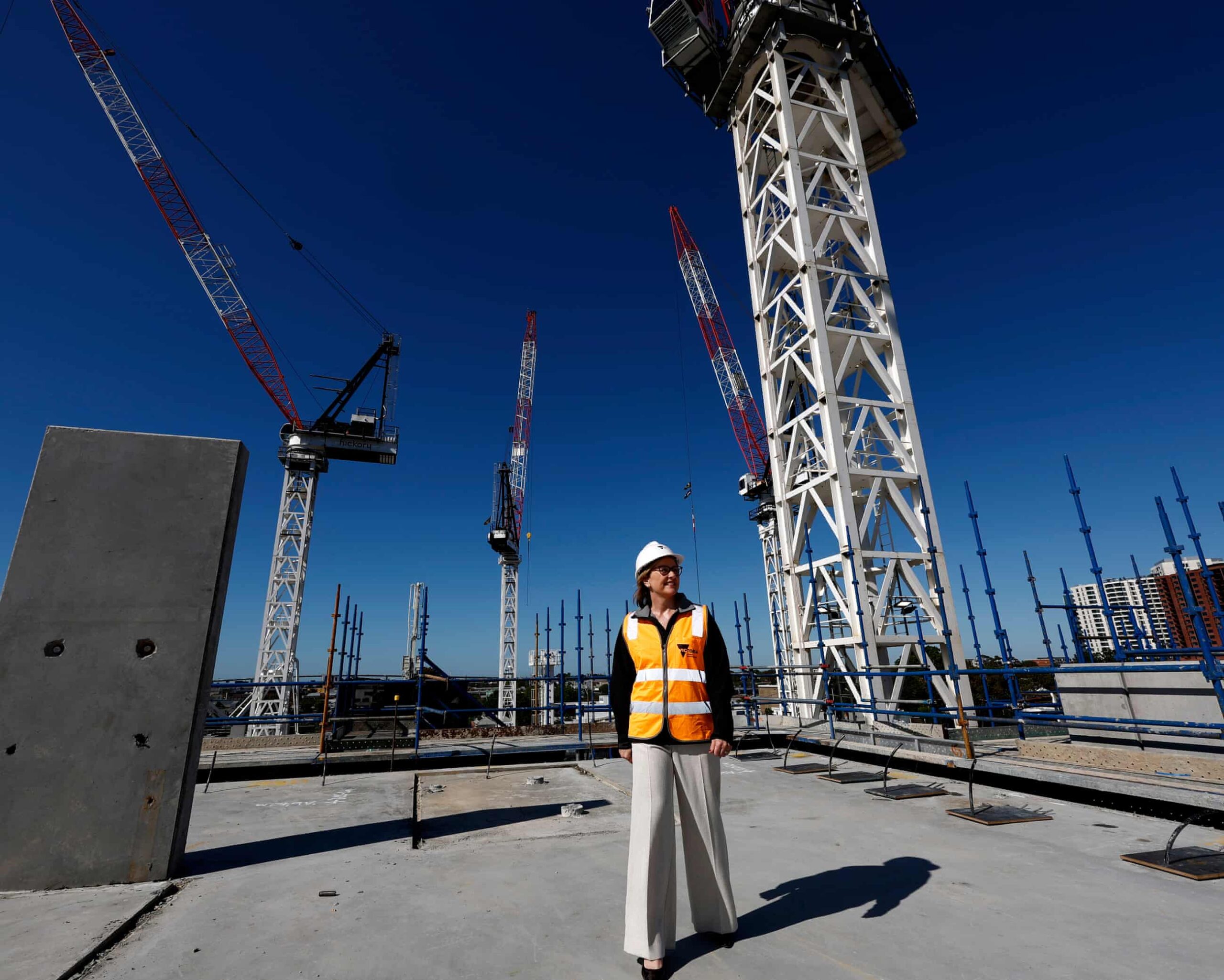
Melbourne is experiencing significant changes in its housing landscape, driven by a series of reforms aimed at making home ownership more accessible for millennials. Over the past two years, the Victorian government has implemented numerous initiatives, surprising even advocates of these reforms. According to Brendan Coates, director of the Grattan Institute’s housing and economic security program, “We’ve seen, in many respects, a planning policy revolution in Victoria.”
Traditionally dominated by “NIMBYs” (not in my backyard), the housing debate has shifted, largely due to the rise of the “YIMBY” (yes in my backyard) movement. YIMBY Melbourne was established in February 2023, uniting individuals frustrated by the scarcity of affordable housing. Coates serves on its board, and its lead organiser, Jonathan O’Brien, noted that initial expectations were for a grassroots effort focused on local developments. Instead, they encountered a state government eager to embrace evidence-based policy changes.
The group’s first major initiative, launched in April 2024, proposed enforceable housing targets for local government areas (LGAs) and recommended rezoning in amenity-rich suburbs to facilitate thousands of new homes. Just two months later, the government announced similar LGA targets, followed by Premier Jacinta Allan and Planning Minister Sonya Kilkenny unveiling plans for rezoning around 50 train and tram stations, a decision that sparked backlash in some communities.
Pioneering Reforms and Challenges Ahead
The scope of the reforms has been extensive. The Victorian government introduced a fast-tracked townhouse code, eased subdivision processes for homeowners, and eliminated parking requirements for new developments. Additionally, the state’s infrastructure contribution scheme has been revamped to ensure developers contribute to essential services such as schools and parks. Recently, the parliament approved a major overhaul of the Planning Act, significantly reducing approval times to as little as 10 days while limiting appeal rights primarily to adjacent property owners.
Coates asserts that these reforms are markedly more ambitious than those implemented in New South Wales during the same timeframe. A recent report by the Grattan Institute highlights that changes to the townhouse code and the establishment of 60 activity zones could potentially increase Melbourne’s housing capacity by approximately 1 million new homes, equating to 70% of the city’s current housing stock. In contrast, reforms in New South Wales could yield around 930,000 new homes, representing 40% of its existing stock.
Despite the progress, not everyone is convinced by the government’s approach. Protests have erupted in affluent suburbs like Brighton, where plans allow for the construction of apartments up to 12 storeys high. In Elsternwick, a rally against proposed housing towers was interrupted by YIMBY supporters, highlighting the ongoing contention surrounding new developments.
Planning professionals are also expressing concern. Kat Smith, a senior policy officer at the Planning Institute Australia (PIA), praised the government’s willingness to explore new solutions but criticized what she perceives as inadequate engagement with planning practitioners. She argued that the reforms lack a coherent agenda, stating, “From a planning perspective, these changes do not form a coherent or integrated reform agenda.”
Smith also raised alarms about the blanket rezoning of land around transit stations, arguing it overlooks local conditions. Furthermore, she noted that the new townhouse code limits councils’ ability to consider environmental factors and access to essential services when reviewing planning applications.
Market Dynamics and Future Considerations
Coates warned that while Melbourne’s increased housing supply has resulted in relatively lower property prices, this very success poses challenges for future developments. Rising construction costs, exacerbated by the Victorian government’s extensive infrastructure projects, have made it difficult for new developments to remain financially viable. He remarked that if reforms had been implemented earlier, many of these projects would have been profitable.
Recent findings from the Procore/Property Council industry sentiment survey indicate that Victoria’s property sector confidence is now the lowest in Australia, with a disparity of 24 points below the national average. Confidence in government planning and growth management has also plummeted, sitting at -65 points. Many respondents attributed this decline to the state’s tax policies, particularly the additional duty imposed on foreign buyers, which could deter international investment in Melbourne’s housing market.
The Victorian government defends its stance, asserting that first-time buyers should not have to compete with foreign investors. Both Coates and O’Brien emphasize that future reforms should prioritize heritage protection, as nearly 29% of residential land within 10 km of the central business district is subject to heritage overlays. O’Brien pointed out the inefficiencies of retaining older, substandard homes that could be better utilized for new housing developments.
In conclusion, while Victoria’s recent housing reforms mark a significant departure from past policies, ongoing challenges remain. As the government navigates public sentiment and economic pressures, the balance between development and community needs will be crucial in shaping Melbourne’s housing future.
