



































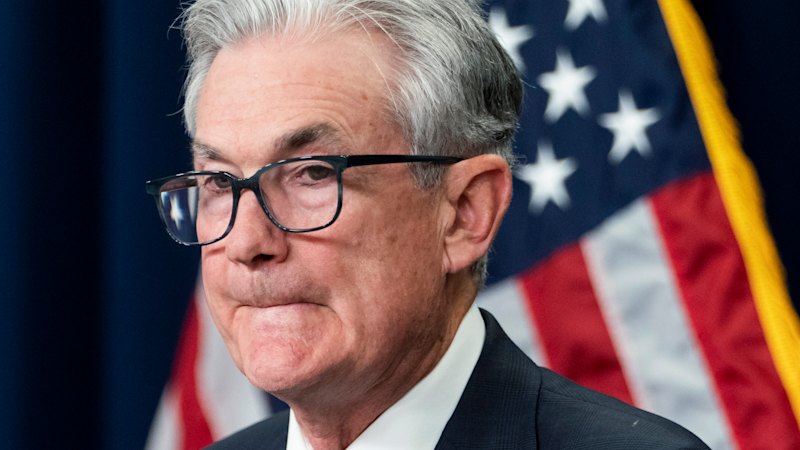
Federal Reserve Chairman Jerome Powell has publicly confirmed that he has received grand jury subpoenas from the U.S. Department of Justice (DoJ), indicating the potential for criminal charges linked to his testimony regarding the ongoing renovations of the Fed’s headquarters. This situation marks a significant escalation in the tensions between the Federal Reserve and the Trump administration, which has frequently criticized the central bank’s monetary policy decisions.
In a statement released on Sunday evening, Powell emphasized that the investigation stems from his testimony before Congress in June. He characterized the subpoenas as part of a broader campaign of intimidation against the Fed. “The threat of criminal charges is a consequence of the Federal Reserve setting interest rates based on our best assessment of what will serve the public, rather than following the preferences of the president,” Powell stated. He underscored the implications of the inquiry, suggesting it could undermine the Fed’s independence in setting monetary policy.
The investigation is seen as a direct response to Powell’s refusal to significantly reduce interest rates, a move that President Donald Trump has repeatedly called for. Trump has threatened to dismiss Powell, despite having nominated him for the position in 2017, and has suggested the possibility of legal action regarding the Fed’s $700 million renovation project. In an interview with The New York Times, Trump indicated he already had a candidate in mind to replace Powell as chairman.
Powell’s term as chair is set to expire in May, while his position as a governor extends until January 2028. He has not disclosed his future plans concerning his role at the Federal Reserve. The current investigation highlights the ongoing conflict between the Trump administration and the Fed, which has faced criticism from the president over its policies and personnel decisions. This includes efforts to remove Lisa Cook, another Fed governor, amid allegations of misconduct.
Presidential authority to remove officials at the Federal Reserve is limited to instances of “cause,” which traditionally involve malfeasance or dereliction of duty. The Supreme Court is scheduled to hear arguments regarding Cook’s case on January 21, 2024, further complicating the political landscape surrounding the central bank.
While the initiation of a criminal investigation is noteworthy, the challenge lies in gathering sufficient evidence to secure an indictment from a federal grand jury. Previous high-profile investigations have faced similar hurdles, with a federal judge dismissing indictments against two of Trump’s notable opponents, former FBI Director James Comey and New York Attorney General Letitia James.
The renovations at the Fed’s headquarters, specifically the Marriner S. Eccles Building, began in 2022 and are projected to conclude in 2027. The project aims to modernize facilities that have not undergone comprehensive renovations since their establishment in the 1930s. The Fed has acknowledged that the project is currently running over budget and cited various factors, including material costs and unforeseen complications like extensive asbestos and soil contamination.
During a congressional hearing in June, Powell addressed concerns regarding the expenses, refuting claims about extravagant features such as private dining rooms and special elevators. “There’s no VIP dining room; there’s no new marble,” he clarified, emphasizing the necessity of the renovations to ensure safety and compliance with accessibility laws for individuals with disabilities.
Following Powell’s testimony, the Federal Reserve took steps to provide clarity, publishing a “frequently asked questions” post on its website that reiterated his statements and offered further details about the renovation plans. The central bank continues to proactively manage communications, including virtual tours and visual representations of the project, in an effort to address public scrutiny.
As the investigation unfolds, the implications for both Powell and the Federal Reserve could be significant, potentially altering the landscape of U.S. monetary policy and the relationship between the central bank and the executive branch.
