



































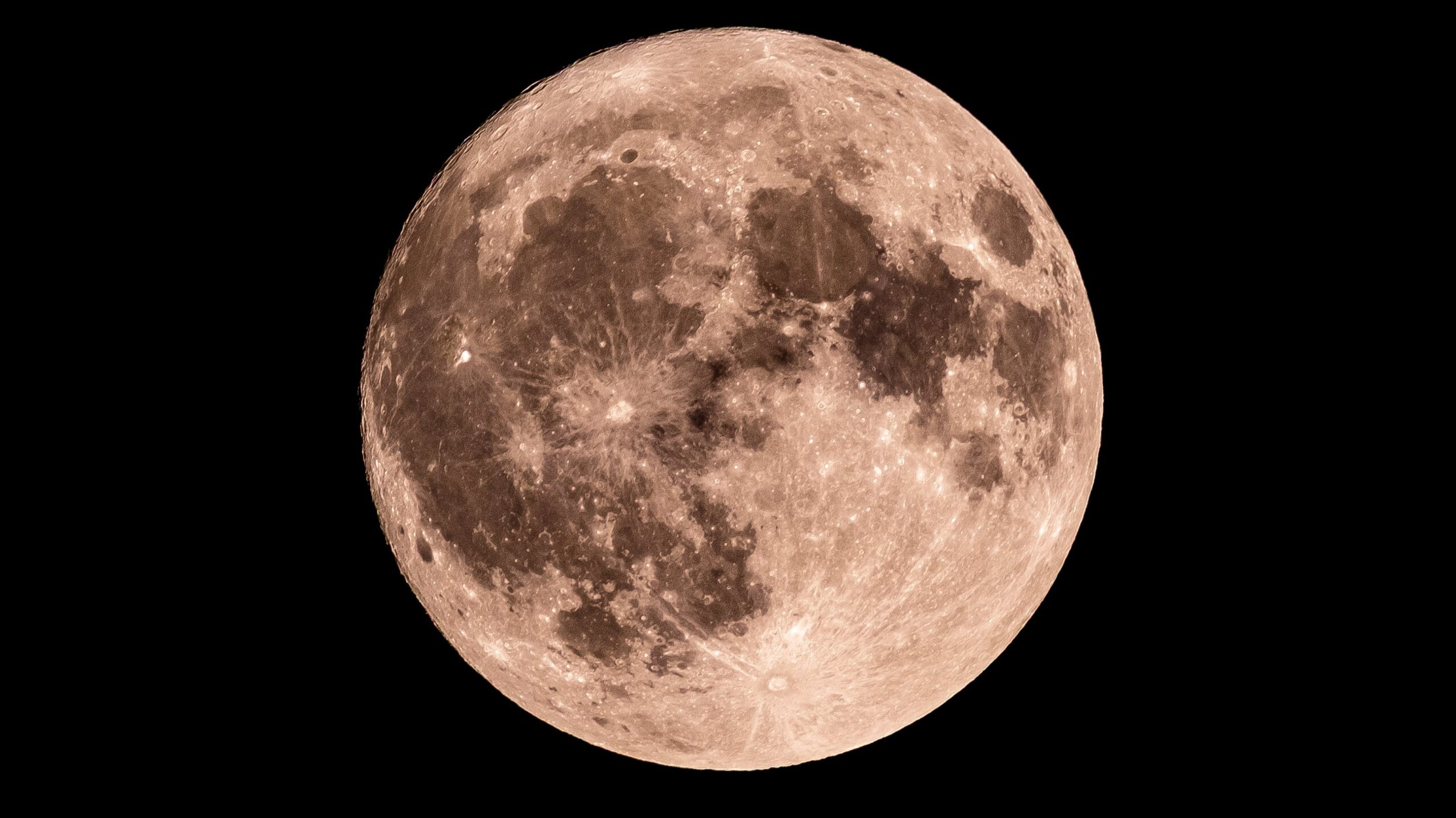
The Moon enters a waning phase as it diminishes in size, with the illuminated portion visible from Earth decreasing each night. As of February 4, 2024, the Moon is in its Waning Gibbous phase, with approximately 93% of its surface illuminated. This provides a fantastic opportunity for skywatchers to observe various lunar features without the need for telescopes or specialized equipment.
During this phase, observers can clearly see prominent features such as the Mare Imbrium, Kepler Crater, and Oceanus Procellarum with the naked eye. For those equipped with binoculars, additional details like the Alps Mountains, Mare Nectaris, and the Grimaldi Basin become visible. A telescope will reveal even more, including the landing sites of Apollo missions 11, 12, and 16.
Understanding Moon Phases
The lunar cycle lasts approximately 29.5 days, a period during which the Moon transitions through eight distinct phases. This cycle is dictated by the Moon’s orbit around Earth and how sunlight illuminates its surface. The same side of the Moon consistently faces Earth, but the amount of light we see changes, leading to various phases.
The Moon’s phases are categorized as follows:
– **New Moon**: The Moon is positioned between Earth and the Sun, rendering it invisible.
– **Waxing Crescent**: A small sliver of light is visible on the right side.
– **First Quarter**: Half of the Moon is illuminated, presenting a classic half-Moon shape.
– **Waxing Gibbous**: More than half is lit, yet it is not fully illuminated.
– **Full Moon**: The entire surface is fully visible.
– **Waning Gibbous**: The illuminated area begins to decrease on the right side.
– **Third Quarter (or Last Quarter)**: Another half-Moon, but the left side is now lit.
– **Waning Crescent**: A thin sliver of light remains on the left before the Moon goes dark again.
The next Full Moon will occur on March 3, 2024, marking a significant point in the lunar cycle.
What to Expect from Tonight’s Viewing
For those interested in observing the Moon tonight, conditions are favorable for viewing without any special equipment. With the Moon nearly full, it is an excellent time for both amateur astronomers and casual stargazers to appreciate its beauty. The lunar surface will be especially vivid, making it easier to identify various features.
As the Moon continues its journey towards the New Moon, the changes in its appearance will be a reminder of the dynamic nature of our closest celestial neighbor. Whether you are in the Northern or Southern Hemisphere, tonight’s view is bound to inspire wonder and curiosity about the mysteries of the universe.
