

































The sheep and lamb sector in Western Australia has experienced significant structural changes over the past year, indicating a marked shift in processing patterns and market dynamics. Analysis of processing trends, turnoff data, and live export movements reveals a smaller flock and tightening supply, leading to adjustments in market behavior.
Shifts in Processing Patterns
A decade-long review of monthly processing percentages highlights a notable change in supply patterns. Traditionally, between July and November, around 35% of the annual sheep and lamb kill occurs. However, in both 2024 and 2025, that figure increased substantially, reaching as high as 42% in 2024 and approximately 38% this year. This trend indicates that lambs are being processed earlier in the year, driven by strong prices that incentivize producers to bring more supply to market in the first half of the season.
As a result, fewer lambs are available later in the year, which is evident in saleyards, grids, and private market activity. The shift is particularly acute in the mutton sector. During last year’s liquidation phase, nearly half of the annual mutton kill occurred within just five months. In contrast, the July to November share has dropped to around 34% this year. This decline is not due to decreased demand from processors but rather a significant reduction in the number of mature sheep.
Market Dynamics and Future Outlook
The industry is grappling with the ramifications of this drawdown in sheep numbers. Total turnoff, which includes slaughter, live export, and interstate transfers, remains above sustainable levels. Although live export activities have softened, this reflects a smaller flock and limited availability of suitable sheep, not a rebound in numbers. All segments—saleyards, private treaty sales, and direct-to-works bookings—are demonstrating similar trends, confirming that WA is operating with a reduced sheep population.
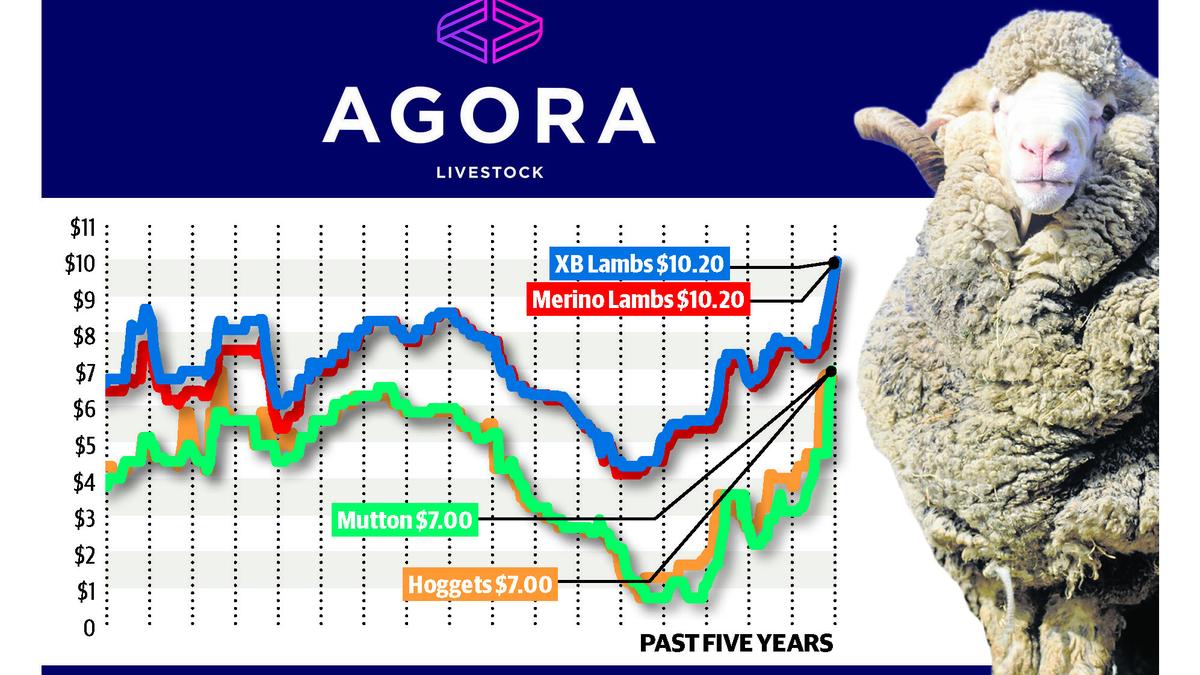
These supply constraints have supported stronger pricing for mutton and led to cautious improvements in competition for breeding stock. Producers are now approaching flock rebuilding with increased caution, creating a more dynamic market environment. For processors and buyers, the challenge lies in securing a reliable supply amid fluctuating market conditions.
Looking ahead, tight supply conditions are anticipated to persist through 2025-26. Sheep enterprises within mixed-farming systems will need to enhance their financial competitiveness against cereals. This will necessitate a stronger focus on breeding efficiency, genetics, and structured marketing decisions. Procurement strategies must become more disciplined, emphasizing earlier planning, forward pricing, and transparent communication among producers, agents, and processors.
AGORA Livestock is actively supporting this transition by offering tools like Base+ forward pricing, digital booking visibility, and a national marketplace reach. These resources provide the clarity and structure required in an increasingly constrained supply environment.
In closing, AGORA extends sincere gratitude to all producers, agents, processors, and buyers, as well as its more than 11,000 registered users, for their support throughout this transformative year. The organization wishes everyone a safe and productive end to the harvest season and looks forward to collaborating in 2026 and beyond.