






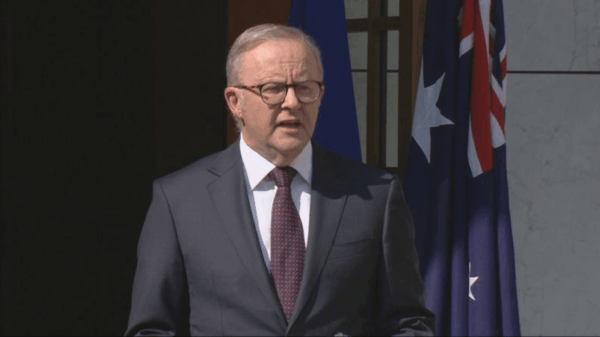

















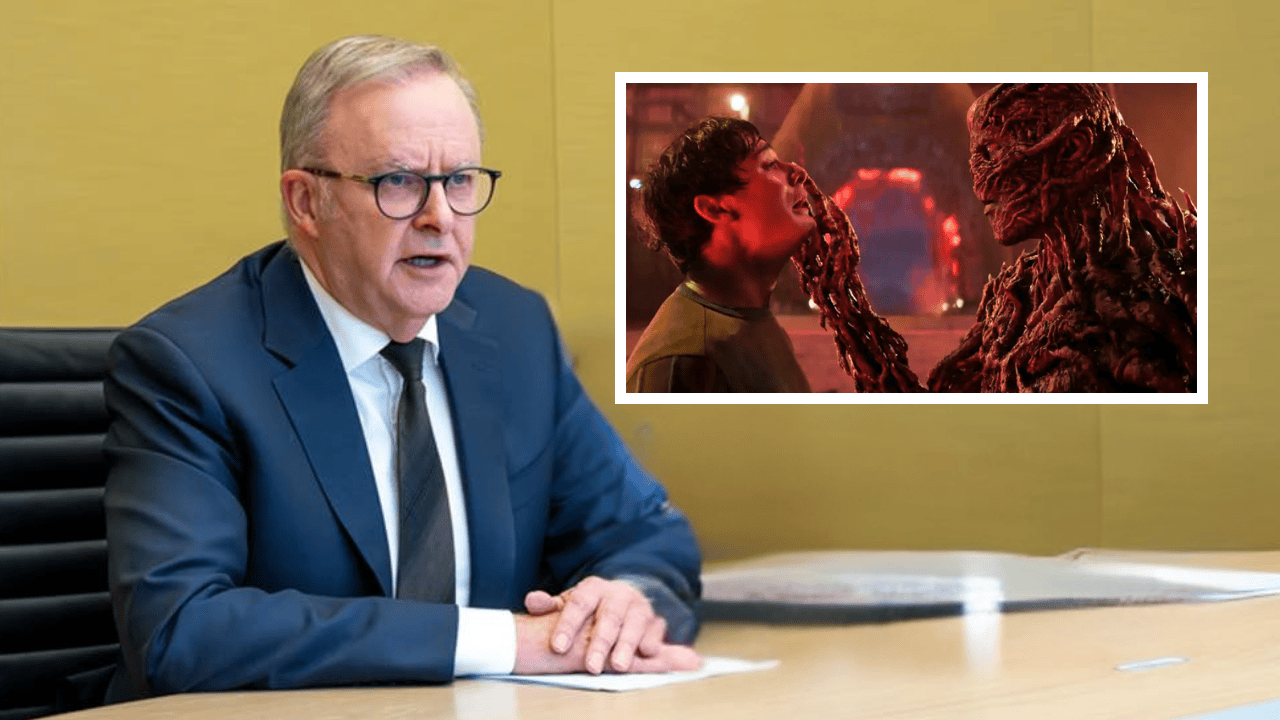
Prime Minister Anthony Albanese has indicated a willingness to launch a Royal Commission to investigate the controversial ending of the popular Netflix series Stranger Things. During a press conference, Albanese expressed regret for not acting sooner, stating, “The Australian public is right to demand answers, and I apologise for my lack of immediate action.”
The inquiry aims to address several pressing questions regarding the series finale, including the fate of key character Eleven, the absence of notorious creatures like the Demogorgons in the final confrontation against Vecna, and the status of the character pairing known as Byler. “All of these things will be answered in due time,” the Prime Minister assured.
Calls for a Royal Commission first emerged from Sussan Ley, who expressed her concerns immediately after the premiere of the latest season. Critics have suggested that her swift response was an attempt to politicise the series’ narrative. Ley stated, “I’m not being political. I just know that if I were Prime Minister then Season 5 would’ve been better and that Albanese is to blame.”
Despite the lighthearted nature of the discussion, many Australians have voiced serious concerns regarding the perceived decline in quality of Stranger Things over its seasons. Albanese acknowledged this sentiment, remarking, “I know many are disappointed. How could something that started with so much promise slowly erode into having the same mediocrity as its competition?”
The proposal for a Royal Commission has been met with mixed reactions, as some see it as a necessary step for accountability while others view it as an overreach into popular culture. Albanese defended the move, highlighting the Labor Party’s capability to lead a thorough investigation into the series’ evolution.
As the inquiry moves forward, fans of Stranger Things and the general public await further announcements. The Prime Minister’s proactive stance reflects a broader desire among Australians for transparency and quality in their entertainment, mirroring the high standards expected in other aspects of governance.
The outcome of the Royal Commission could set a precedent for how cultural phenomena are perceived and critiqued within the political realm, making this an unusual but significant chapter in Australian cultural discourse.