





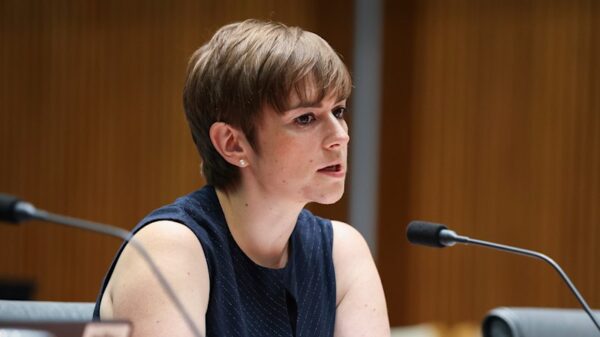















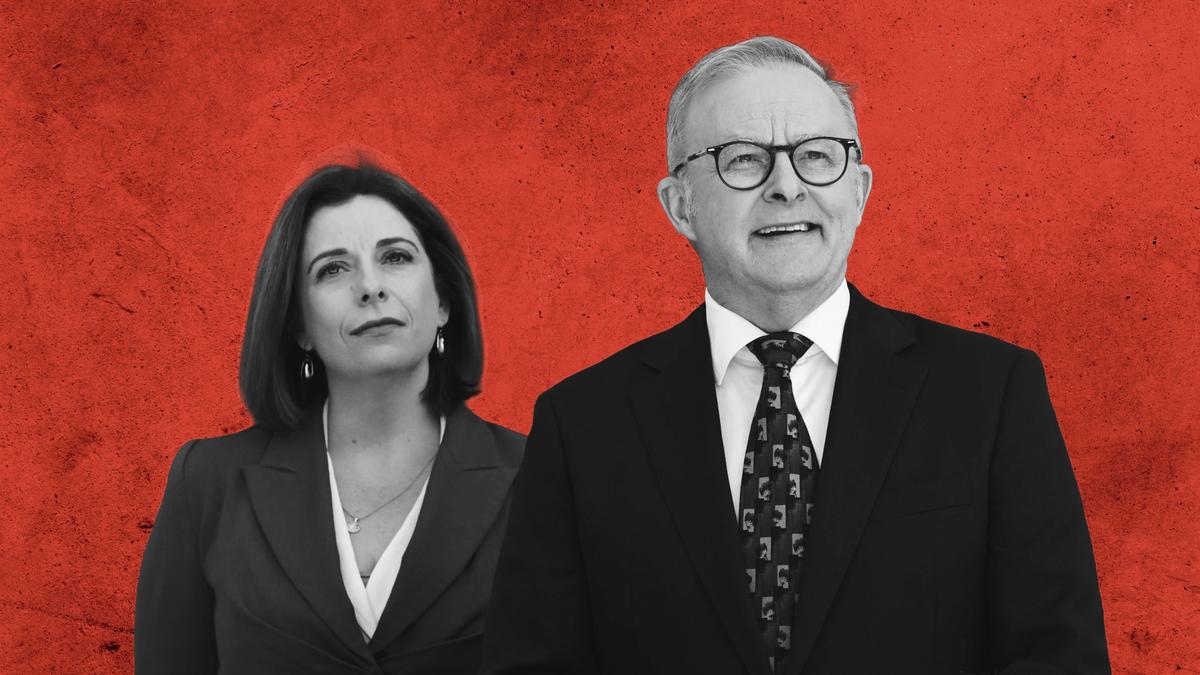
Anika Wells, Australia’s Communications Minister, is at the centre of controversy following her significant use of taxpayer-funded travel entitlements. Her actions have drawn attention against the backdrop of Prime Minister Anthony Albanese’s own travel expenses, which reached $28,229 last financial year for personal family reunions. Both politicians’ expenses raise questions about accountability and the perception of entitlement within the political elite in Canberra.
Wells has rejected calls for self-reflection, instead opting to refer her spending to the Independent Parliamentary Expenses Authority. This move is designed to reaffirm that her expense claims, despite appearing excessive to many, adhere to existing regulations. For instance, spending $1,200 to keep a Comcar driver waiting nearly ten hours while she attended the 2022 NRL Grand Final has been deemed permissible within the rules. Yet, critics argue that such expenditures reflect a disconnect from the average taxpayer’s realities.
The phenomenon of “entitlement creep” is increasingly evident among politicians who, immersed in the privileges of Canberra’s political environment, often justify extravagant spending. This mindset can lead to spending that most Australians find unreasonable, such as $100,000 for a trip to New York or the costs associated with flying family members to major sporting events.
Wells is not alone in this practice. Federal politicians collectively spent approximately $1.1 million on family travel last financial year, raising concerns about governance and fiscal responsibility. While many Australians are sympathetic to the challenges politicians face in balancing work and family life, they expect a level of common sense and ethical consideration in how public funds are utilized.
The current scrutiny comes as Australians brace for increased financial burdens, with predictions of rising interest rates next year as the Reserve Bank of Australia seeks to manage inflation. Households are being urged to tighten their belts, prompting calls for politicians to demonstrate similar restraint. The prevailing sentiment suggests that if taxpayers are to face economic challenges, their elected officials should also exhibit fiscal responsibility in their personal and professional expenditures.
In light of these circumstances, the debate over travel entitlements and the perceived entitlement culture among the political elite is likely to continue, as both citizens and politicians navigate the complexities of governance and public accountability.