










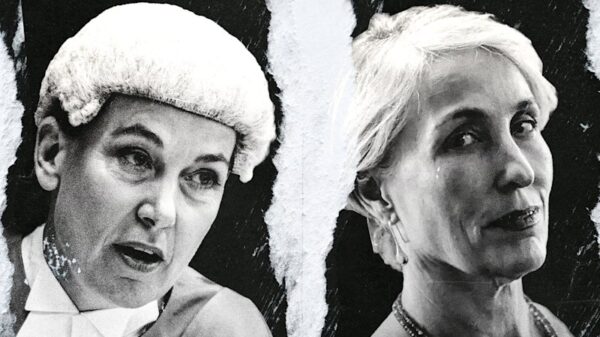























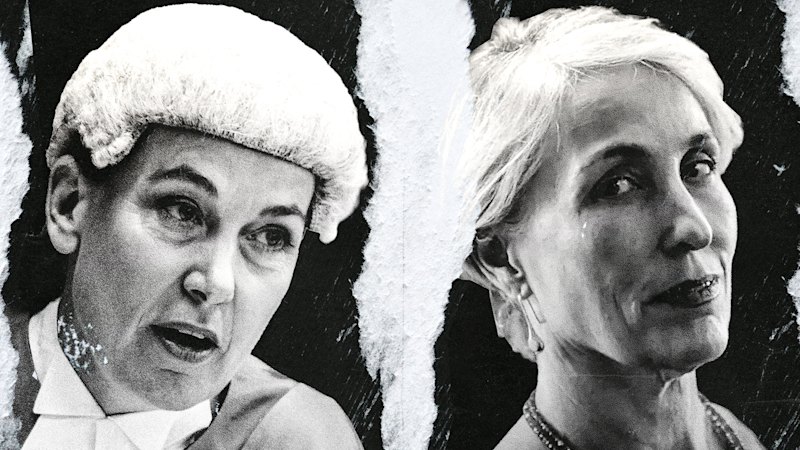
A notable dispute has erupted between Judge John Smith and Prosecutor Emily Johnson, spotlighting tensions within the legal community. On March 15, 2024, Judge Smith publicly criticized Johnson’s courtroom strategies, leading to an exchange that has garnered significant attention from the media and legal experts alike.
The conflict stems from conflicting approaches to case management and courtroom decorum. Smith, who presides over the District Court of New York, expressed concern over what he termed “aggressive prosecutorial tactics” used by Johnson, who serves with the U.S. Attorney’s Office. This clash is not merely personal but reflects broader concerns regarding the balance of power in the courtroom and the implications for fair trial rights.
In a recent hearing, Judge Smith rebuked Johnson for her handling of a high-profile case involving organized crime. He stated, “The relentless pressure on defendants can undermine the integrity of our judicial system.” Johnson, in response, defended her methods, asserting that they are necessary to ensure justice is served effectively. She remarked, “Our duty is to protect the community and to pursue justice vigorously.”
Public opinion on the matter has been divided. Legal analysts note that while some support Smith’s call for a more measured approach, others argue that Johnson’s aggressive tactics are essential in combating increasing crime rates. According to a recent survey by the American Bar Association, 60% of attorneys believe that a more assertive prosecution is crucial for public safety, while 40% voiced concerns about potential abuses of power.
This feud has also raised questions about the collegiality within the legal profession. The New York State Supreme Court has been prompted to intervene by convening a panel to assess the implications of such public disputes among court officials. The panel aims to address the need for maintaining professionalism and respect among legal practitioners.
The ongoing tensions have broader ramifications, impacting not only the immediate cases but also the public’s trust in the legal system. Observers highlight that when judges and prosecutors publicly clash, it can create an impression of discord and inefficiency within the judicial process.
As the situation unfolds, both parties are expected to continue their fight, with potential implications for future courtroom practices in New York and beyond. The legal community and the public will be closely monitoring how this rivalry evolves, as it may serve as a precedent for similar disputes in other jurisdictions.
This high-profile dispute underscores the complexities of the legal system and the challenges faced by those within it. As both Judge Smith and Prosecutor Johnson remain at the forefront of this confrontation, their actions will undoubtedly have lasting effects on how justice is administered in the city.