


































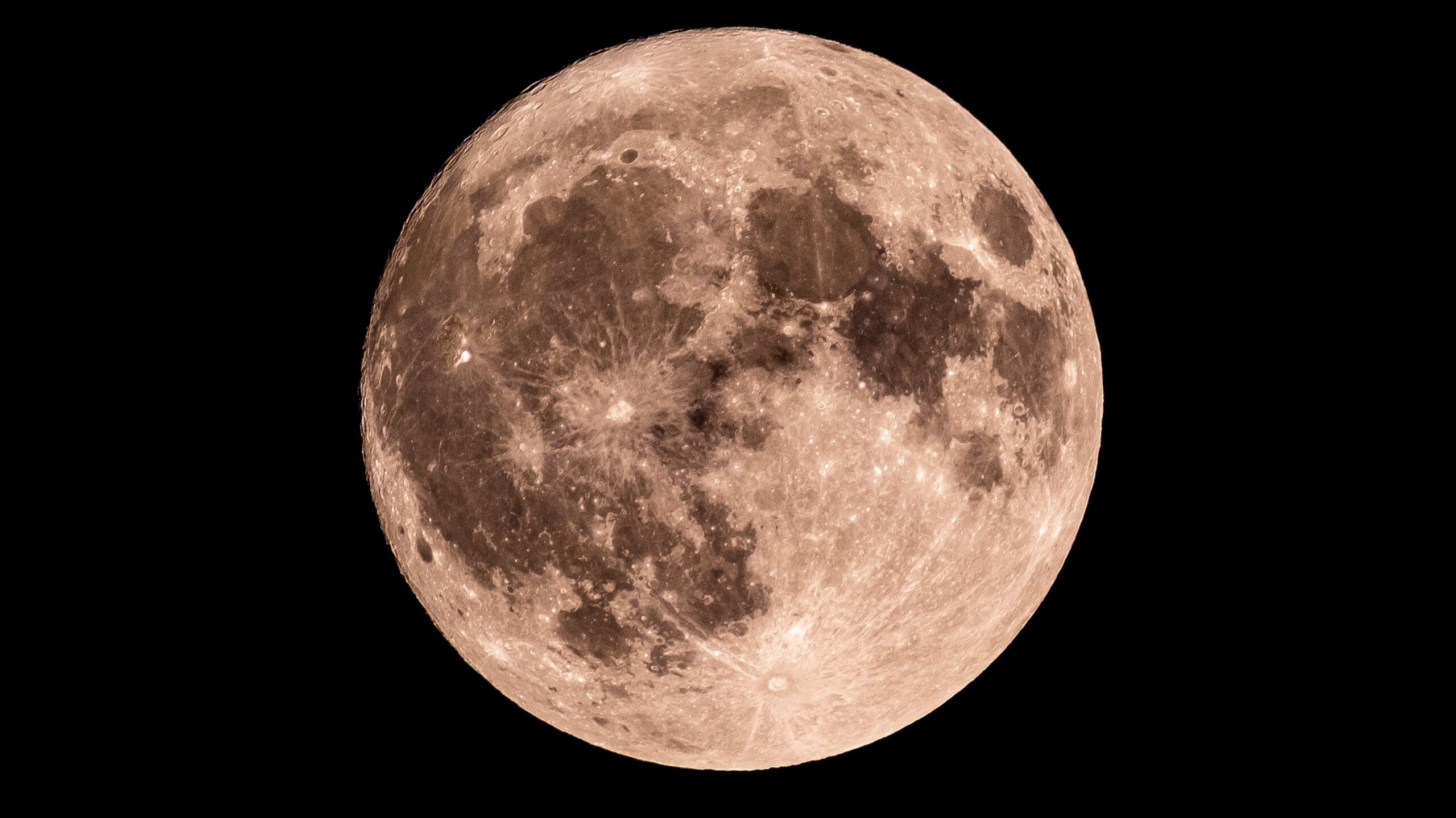
The Moon enters the waning gibbous phase on January 4, 2024, marking a shift in its visibility as it transitions toward the New Moon. As of tonight, approximately 98.6% of the lunar surface will be illuminated, offering a striking view for stargazers. The next full moon is set to occur on February 1, 2024, providing another opportunity for enthusiasts to observe its complete brightness.
Understanding the Lunar Cycle
The lunar cycle, as defined by NASA, takes about 29.5 days to complete. This cycle features a series of phases that the Moon undergoes as it orbits the Earth. Throughout this period, the same side of the Moon consistently faces our planet, but the amount of sunlight it reflects alters, resulting in various appearances from full illumination to complete darkness.
The eight primary phases of the lunar cycle include:
– **New Moon**: The Moon is positioned between Earth and the Sun, rendering it invisible to the naked eye.
– **Waxing Crescent**: A small sliver of light begins to appear on the right side in the Northern Hemisphere.
– **First Quarter**: Half of the Moon is illuminated on the right side, resembling a half-moon.
– **Waxing Gibbous**: More than half of the Moon is lit, but it has not yet reached full illumination.
– **Full Moon**: The entire face of the Moon is visible and fully illuminated.
– **Waning Gibbous**: The Moon starts to lose light on the right side.
– **Third Quarter (or Last Quarter)**: Another half-moon, but this time the left side is lit.
– **Waning Crescent**: A thin sliver of light remains on the left side before the Moon goes dark again.
Significance of the Waning Gibbous Phase
The transition to the waning gibbous phase signifies a period of reflection and gradual dimming. This phase can be particularly captivating for both casual observers and seasoned astronomers alike. As the Moon continues its journey toward the New Moon, its light will diminish, creating a unique backdrop for nocturnal activities and celestial events.
Understanding these phases enhances our appreciation for the Moon’s role in the night sky. Each stage presents a different visual experience, inviting curiosity and exploration. Whether one is an avid stargazer or simply enjoying the view from their backyard, the Moon’s changing appearance serves as a reminder of the dynamic nature of our celestial neighbors.