



























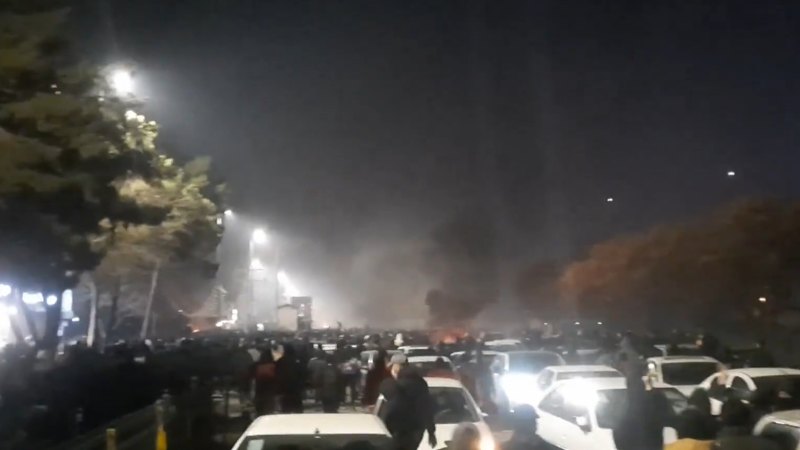
The Iranian community in Australia is reeling from the tragic consequences of ongoing protests in Iran, where the death toll has surged amid widespread civil unrest. As of now, reports indicate that over 500 individuals have lost their lives in the protests sparked by social and political grievances. Many in Australia are struggling to reach their relatives in Iran, who have been cut off from communication channels, heightening feelings of anxiety and helplessness.
Families across Australia are feeling the emotional strain as they grapple with uncertainty regarding the safety of their loved ones. Australians of Iranian descent have voiced their distress, emphasizing the need for support and communication during this crisis. Video footage shared on social media reveals the scale of the protests, with thousands taking to the streets to demand change and justice.
Community Responses and Support Efforts
Local leaders within the Iranian community have called for urgent action from the Australian government to advocate for human rights in Iran. People have gathered in vigils and marches, expressing solidarity with those suffering in Iran and seeking to raise awareness about the situation. Prominent Iranian human rights activists in Australia have organized events aimed at mobilizing support and encouraging dialogue about the hardships faced by protestors back home.
In an official statement, the Australian government has expressed concern over the escalating violence and loss of life in Iran. Australian Foreign Minister Penny Wong emphasized the importance of protecting the right to peaceful protest and urged the Iranian authorities to respect human rights. This response comes amid increasing pressure from both the public and advocacy groups to take a stand against the Iranian government’s actions.
The Impact on Families and Individuals
The challenges faced by Iranian Australians are compounded by the difficulty of obtaining reliable information from Iran. Many families report being unable to contact relatives due to internet blackouts imposed by the government. This lack of communication has left many feeling isolated and anxious about the wellbeing of their loved ones.
The emotional toll is evident in personal accounts shared by community members. Fatima Hosseini, an Australian woman with family in Tehran, expressed her despair, stating, “Every day feels like an eternity. Not knowing if they are safe is unbearable.” Such sentiments resonate throughout the community, highlighting the profound impact of the protests beyond Iran’s borders.
In response to these challenges, local organizations are stepping in to provide support. Mental health services and community gatherings are being organized to help those affected cope with their feelings of grief and uncertainty. These initiatives aim not only to provide emotional support but also to foster a sense of unity within the Iranian community in Australia.
As the situation in Iran continues to evolve, the Iranian community in Australia remains vigilant. They are committed to advocating for their rights and those of their fellow citizens facing adversity in Iran. The resilience and solidarity shown by the Iranian Australians serve as a reminder of the strength found in community during times of crisis.