Polymarket, a prominent prediction market platform, has sparked controversy by refusing to settle bets that the recent US military operation to capture Nicolás Maduro constituted an invasion of Venezuela. This decision has drawn ire from bettors and raises questions about the platform’s operational standards, particularly in a largely unregulated environment.
According to Polymarket, a payout will only be triggered if the US military takes control of Venezuelan territory. The platform’s website states it will resolve the contract titled “Will the US invade Venezuela by…?” if a military offensive aimed at establishing control occurs by specific dates established in the contract. This topic has generated a heated debate among users regarding the definition of “invade” and the implications of the recent military action.
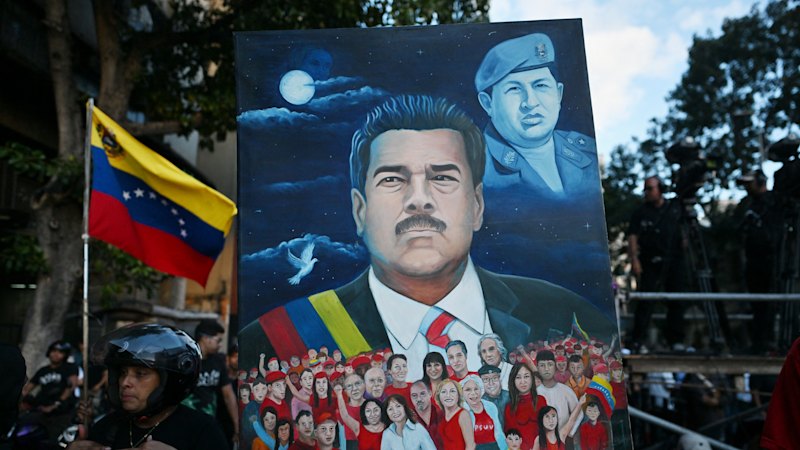
On January 3, 2024, US special forces executed a raid on Maduro’s compound in Caracas, resulting in his capture. Following this operation, former President Donald Trump indicated that the US would influence Venezuelan policies through the remaining members of Maduro’s regime. Market prices for the invasion question surged after the raid but fell dramatically below 5 percent when Polymarket opted not to settle the contracts.
The platform had previously settled a similar contract—“US forces in Venezuela by…?”—in favor of the affirmative just hours after the raid. Currently, over $10.5 million is wagered on the contract, with the majority of bets focused on a January 31 deadline, alongside contracts ending in March and December.
Frustrated users have taken to Polymarket’s comment section to express their discontent. One user, known as Skinner, criticized the platform, stating, “Polymarket has descended into sheer arbitrariness. Words are redefined at will… and facts are simply ignored.” This sentiment reflects a growing dissatisfaction among bettors who feel that the situation has been mishandled.
The controversy surrounding the bet on Maduro’s capture has reignited concerns about the potential for traders to exploit insider information. Leading up to the operation, an anonymous account created on December 26, 2023, placed significant wagers on questions regarding US actions in Venezuela. The account bet more than $32,000 that Maduro would be ousted by the end of January, when odds suggested only a 7 percent likelihood of that outcome. By the time Maduro was extracted from the country, the bet proved highly profitable, netting the trader over $400,000.
In addition to this, the account made smaller bets on related issues, including the presence of US forces in Venezuela and a potential War Powers Act declaration. One particularly well-timed bet on the “invade” market involved a $1,000 wager on January 1, when the price was at 6 cents, which was later sold at 18 cents. This transaction realized a significant return before the price fell back to 5 cents.
In response to growing concerns about the integrity of prediction markets, Congress member Ritchie Torres has proposed legislation aimed at preventing insiders from participating in covered transactions involving prediction market contracts. This move reflects an increasing interest in regulating an industry that has so far operated with minimal oversight.
As the situation unfolds, the implications of Polymarket’s decision and the surrounding controversies will likely continue to resonate within the broader conversation about prediction markets and their role in shaping public discourse.