
































The beef industry in Western Australia is confronting significant challenges following China’s unexpected restrictions on meat imports. These new measures have sent shockwaves through the global meat trade, prompting local farmers and producers to assess the potential damage to their operations.
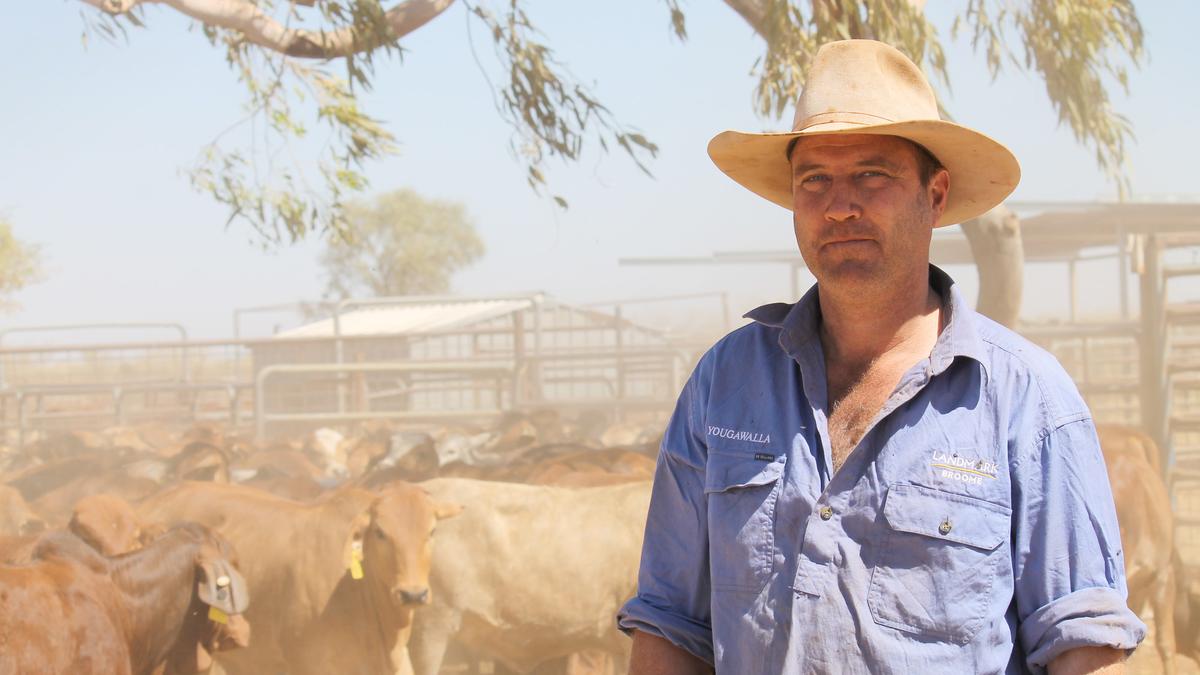
In a recent statement, a prominent pastoralist from the Kimberley region expressed deep concern over the implications of these restrictions. The pastoralist, who wished to remain anonymous, emphasized that the future outlook for the industry is troubling. “It won’t be good,” they stated, highlighting the uncertainty this situation introduces for local producers who rely heavily on the Chinese market for their beef exports.
The Chinese government has implemented strict import taxes on beef, which are expected to disrupt trade flows and affect pricing. The Australian beef sector has enjoyed a robust relationship with China, with exports valued at approximately AUD 2.5 billion in 2022. However, these new tariffs could significantly alter that dynamic, leaving producers scrambling to find alternative markets or adjust their pricing strategies.
Broader Impact on Local Producers
Local farmers are now assessing how these changes will affect their livelihood. Many in the industry worry that the increased costs associated with exporting beef could lead to reduced profitability. According to the Australian Bureau of Agricultural and Resource Economics and Sciences, the sector has been one of the fastest-growing areas of agriculture in Australia. The new restrictions could hinder that growth and lead to broader economic consequences for the region.
In the Kimberley, where beef production is a primary source of income, the mood is one of apprehension. Producers are actively seeking advice and exploring alternative export destinations such as Japan and South Korea. Yet, these markets may not fully compensate for the losses anticipated from the Chinese trade.
The situation is further complicated by the volatility of the international market. Fluctuations in demand and pricing can have a ripple effect, making it difficult for producers to plan for the future. With the Australian dollar facing pressures from global economic conditions, the cost of exports could rise even further, adding additional strain to local farmers.
Future Strategies and Adaptations
Industry leaders are calling for a coordinated response to tackle the challenges posed by these new restrictions. Discussions are underway to explore support measures that could assist local producers in adjusting to the changing market landscape. Options include government assistance and initiatives aimed at diversifying export markets.
Despite the immediate fears, some industry experts believe that innovation and adaptability could help the sector navigate these turbulent waters. Investments in technology and sustainable practices may provide a pathway for local producers to enhance their competitiveness on the global stage.
As the beef industry in Western Australia grapples with the consequences of China’s import restrictions, the long-term impacts remain uncertain. Stakeholders continue to monitor the situation closely, hoping for a resolution that will stabilize trade relations and allow the industry to thrive once again.