



































A comprehensive study conducted over 25 years has revealed a potential link between high-fat cheese consumption and a reduced risk of developing dementia. The research, which involved approximately 27,670 adults in Sweden, found that individuals consuming at least 50 grams (1.76 ounces) of high-fat cheese daily exhibited a 13 percent lower risk of dementia compared to those who consumed less than 15 grams per day.
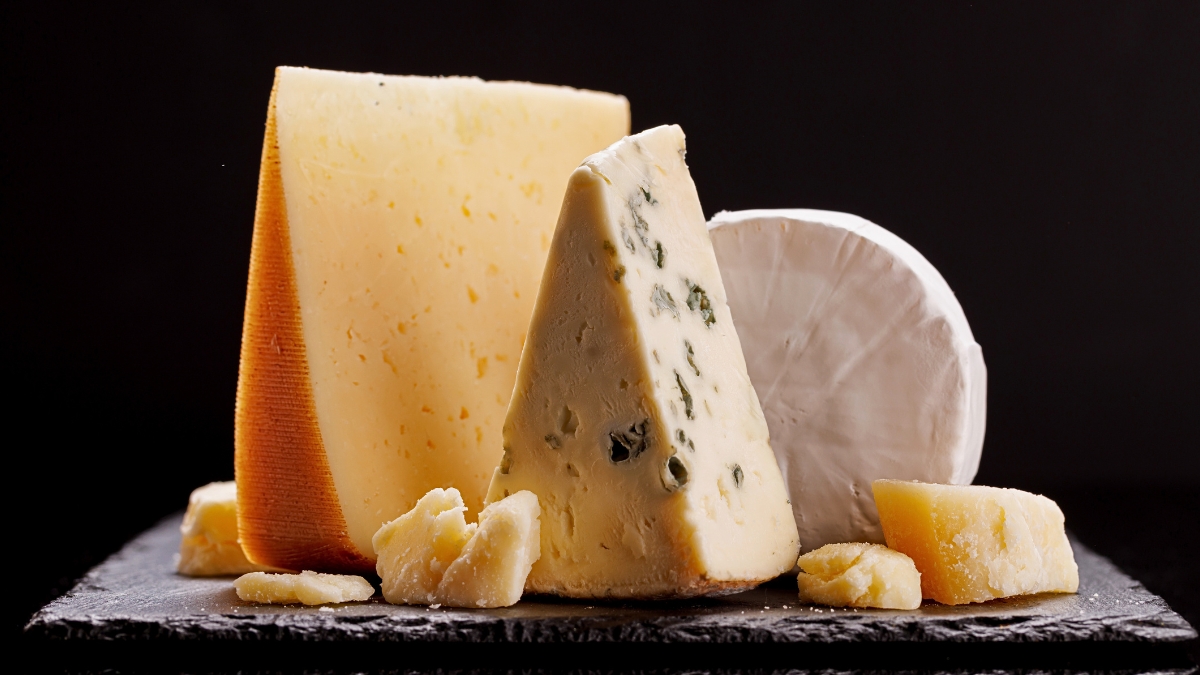
The study, led by Yufeng Du and colleagues at Lund University, analyzed data from the Malmö Diet and Cancer cohort. Over the course of the study, 3,208 participants were diagnosed with dementia. The research focused on cheeses with more than 20 percent fat content, including popular varieties such as brie, gouda, cheddar, parmesan, gruyere, and mozzarella.
In their findings, the researchers emphasized the significance of high-fat dairy products in relation to brain health, challenging previous assumptions about dietary fat. According to Emily Sonestedt, a nutrition epidemiologist at Lund University, “Our study found that some high-fat dairy products may actually lower the risk of dementia, challenging some long-held assumptions about fat and brain health.”
Dementia encompasses various conditions that impair cognitive function, with Alzheimer’s disease being the most prevalent form. As of 2021, approximately 57 million people were living with dementia globally, with an estimated 10 million new cases diagnosed each year. Projections suggest that this number could escalate to 153 million by 2050 due to the aging population.
Researchers have increasingly focused on dietary factors that may help mitigate the risk of dementia, given the lack of effective treatments for the condition. While the MIND diet—a variant of the Mediterranean diet—has gained attention for its potential benefits, research on dairy products has produced inconsistent results. Previous studies from countries such as Finland, the UK, and Japan have yielded mixed conclusions regarding cheese consumption and dementia risk.
The current study sought to clarify these discrepancies by utilizing a robust dataset. Participants recorded their dietary habits using a combination of a 7-day food diary, a food-frequency questionnaire, and interviews concerning food preparation and eating practices. After controlling for factors such as age, sex, education, and overall diet, the association between high-fat cheese consumption and lower dementia risk became statistically significant.
While the results are promising, experts caution against drawing definitive conclusions. Tara Spires-Jones, Division Lead at the UK Dementia Research Institute, noted potential limitations in the study. She highlighted that cheese consumption was recorded based on a single food diary entry from 25 years ago, suggesting that dietary habits and lifestyle factors may have changed significantly over time.
The findings, published in the journal Neurology, underscore the complexity of dietary influences on cognitive health. While the appeal of cheese as a protective food is enticing, researchers advise that it may not be prudent to rely solely on any one food for dementia prevention. More research is necessary to fully understand the mechanisms behind these associations and to explore the broader implications for dietary guidelines in maintaining cognitive health.