





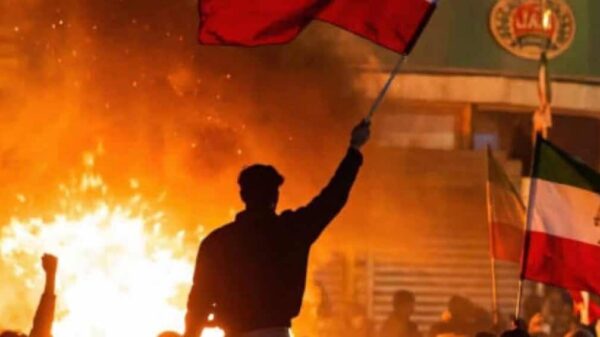













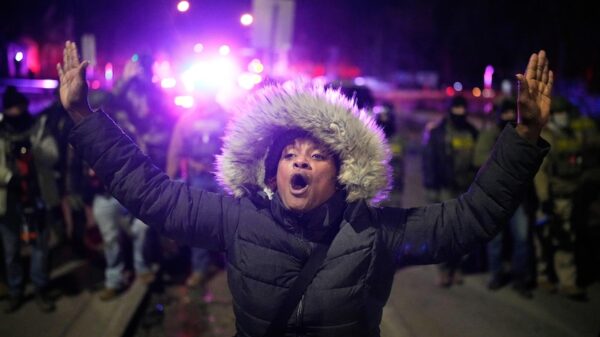



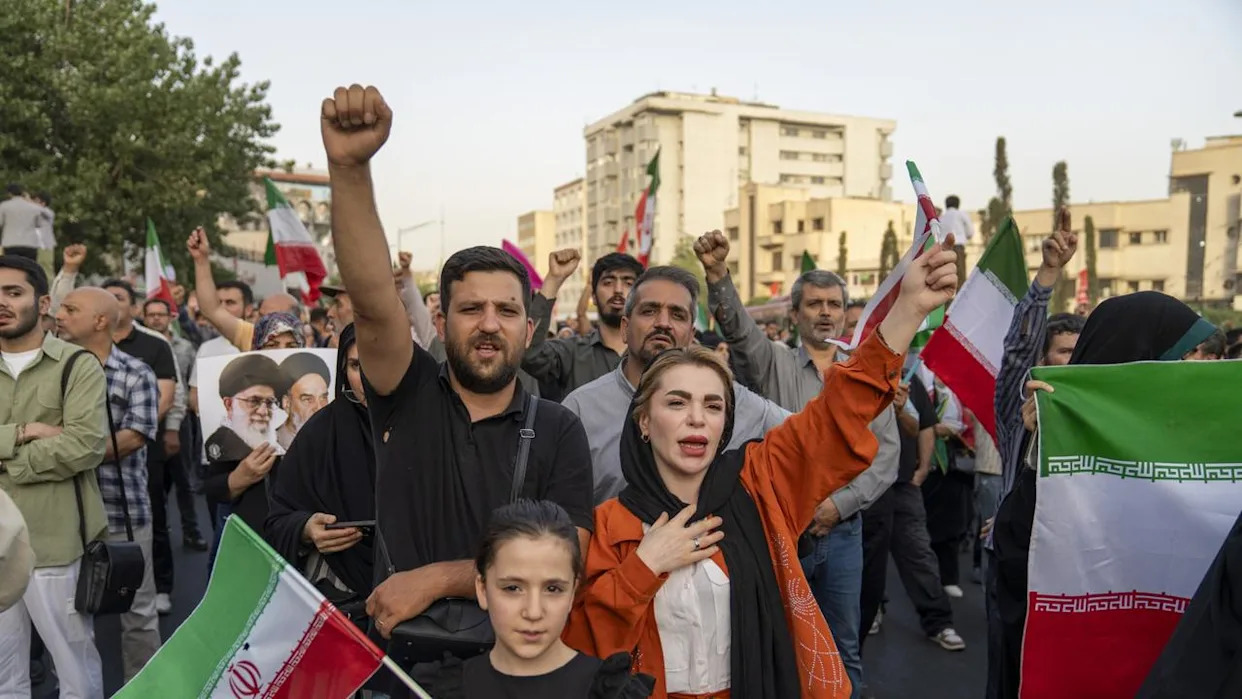
The Australian government has condemned the violent response of Iranian authorities towards protesters amid significant unrest in Iran. As protests spread from the capital, Tehran, to regional provinces, reports indicate that at least seven individuals have been killed since the demonstrations began on December 29, 2023. These protests, the largest since 2022, were initially sparked by merchants closing their stores in reaction to a severe currency crash.
The movement has evolved into a broader uprising against the Iranian government, which faces accusations of corruption, economic mismanagement, and inadequate handling of essential resources such as water. In an official statement, a spokesperson from the Department of Foreign Affairs and Trade emphasized Australia’s commitment to advocating for the human rights of the Iranian people.
Calls for Respecting Human Rights
“The Australian government condemns violence by Iranian authorities and calls on Iran to respect the rights of peaceful protesters,” the spokesperson stated. Australia has consistently raised concerns regarding human rights abuses and foreign interference in domestic issues with Iranian officials. The Albanese government has intensified its stance against Iran by enhancing Australia’s Autonomous Sanctions Framework to allow for sanctions on individuals and entities involved in suppressing dissent. As of now, approximately 200 Iranian-linked individuals and entities have been sanctioned, including nearly 100 officials connected to the Islamic Revolutionary Guard Corps (IRGC) since September 2022.
In August, Iranian Ambassador to Australia, Ahmad Sadeghi, was expelled from the country following allegations that the Iranian regime had orchestrated attacks targeting Australia’s Jewish community.
Community Response and Hopes for Change
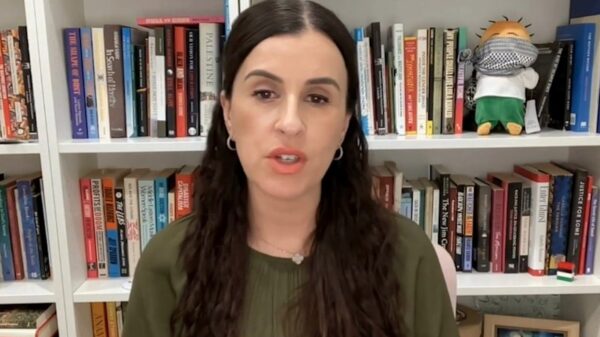
Tina Kordrostami, an Iranian-born independent councillor in Ryde and former member of the Greens, has called on the Albanese government to keep the Iranian embassy closed. She stressed the need for vigilance regarding businesses with ties to the Islamic Republic. “We need to keep looking to all the different key players that still have access to Australia who are operating within the regime,” she remarked.
Kordrostami expressed hope among the Iranian diaspora in Australia that the current protests could lead to significant change in Iran. “It’s to the point where we’re all biting our nails,” she said, reflecting the anxiety within the community. She noted that while past efforts saw widespread protests organized, the current sentiment emphasizes support for those on the ground in Iran. “We need to show them that we back them up no matter what,” she added, emphasizing unity over political divisions within the diaspora.
The clerical regime has faced numerous challenges since its rise to power in the 1979 Iranian Revolution, including wars and uprisings. The protests following the death of Mahsa Amini in 2022 garnered international attention but resulted in a harsh crackdown by Iranian authorities. The nation continues to grapple with economic turmoil, as evidenced by rapid currency devaluation and a deepening water crisis.
As of now, Iran remains classified by the Australian government as a “do not travel destination,” with very limited ability to provide consular assistance to citizens. The international community watches closely as the situation evolves, with hopes for a peaceful resolution and respect for human rights in Iran.