



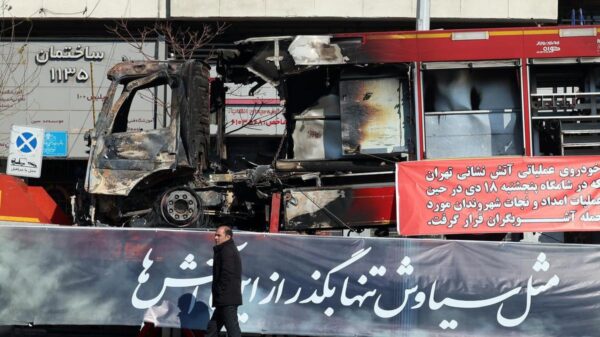















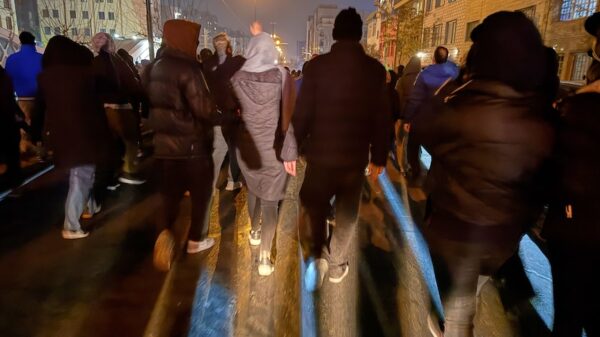


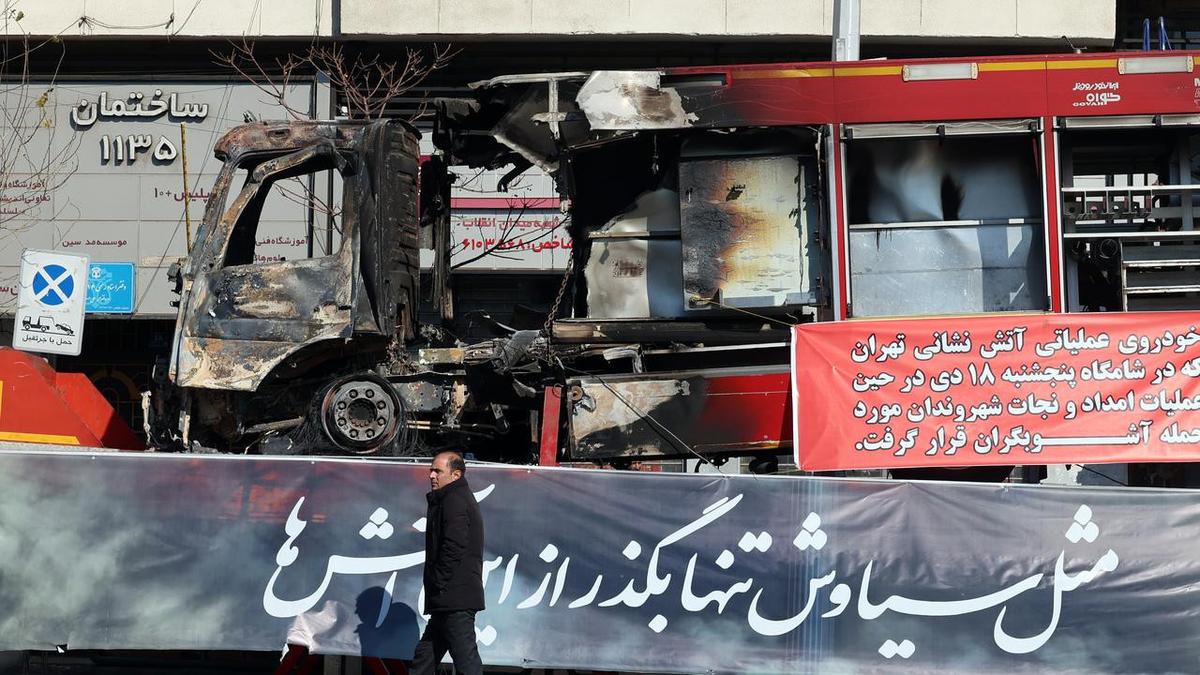
Protests in Iran, which erupted in late December, have largely diminished following a severe crackdown by the government. According to reports from rights groups and local residents, communication restrictions have eased, but tensions remain high as the United States has hinted at military options if violence persists.
The unrest began on December 28, 2022, ignited by widespread economic hardship and quickly escalating into calls for an end to clerical rule. Demonstrations intensified, leading to significant violence and destruction, with reports indicating that over 2,000 people may have been killed, marking the most severe domestic turmoil since the 1979 Islamic Revolution.
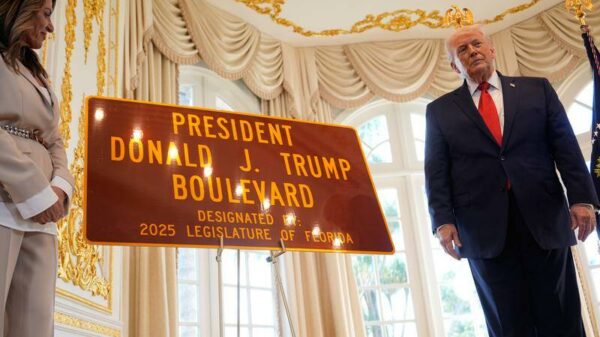
As of late last week, President Donald Trump indicated a reduction in violence, stating he had been informed of a decline in killings. Although the threat of a US military response has receded, additional US military assets are expected to be deployed to the region, signifying ongoing tensions.
### Diplomatic Efforts to Avert Conflict
In response to the potential for US military action, key US allies, including Saudi Arabia and Qatar, engaged in intensive diplomatic discussions. Officials warned that a US strike could have significant repercussions for the region, ultimately affecting US interests.
The White House confirmed that Trump and his team warned Iranian authorities of “grave consequences” if further bloodshed occurs. Trump noted, “Iran cancelled the hanging of over 800 people. And I greatly respect the fact that they cancelled,” while addressing reporters before departing for his Mar-a-Lago estate in Florida.
### Easing of Communication Restrictions
Following the crackdown, many residents of Tehran reported a noticeable calm over the past several days, with fewer signs of protests. While drones have been observed flying overhead, large gatherings have not materialized. This shift comes as internet restrictions have begun to ease, allowing Iranians to make international phone calls, although incoming calls from abroad remain blocked.
One resident recounted a tragic personal loss, stating that her 15-year-old daughter was killed during the protests. “She was not a terrorist, not a rioter. Basij forces followed her as she was trying to return home,” she shared, highlighting the human impact of the unrest.
Despite the easing of some restrictions, many Iranians still lack access to global internet services, limiting their ability to communicate with the outside world. A woman in Iran mentioned using the local search engine Zarebin, which filters information available within the country.
### Detained Individuals and Security Measures
Iranian authorities reported that at least 3,000 people have been detained during the protests. This figure sharply contrasts with estimates from rights organizations, including the US-based HRANA, which claims the number of arrests exceeds 19,000. A security source claimed that the detainees included “members of terrorist groups” involved in the unrest, according to the Tasnim news agency, linked to Iran’s Revolutionary Guard.
According to the Iranian-Kurdish rights group Hengaw, there have been no protests since Sunday, although they noted a heavy military presence in cities previously affected by unrest. The group emphasized that while the immediate threat of protests has subsided, the security environment remains highly restrictive.
As the situation in Iran continues to develop, the international community watches closely, aware that further escalation could have widespread implications for regional stability and international relations.