



























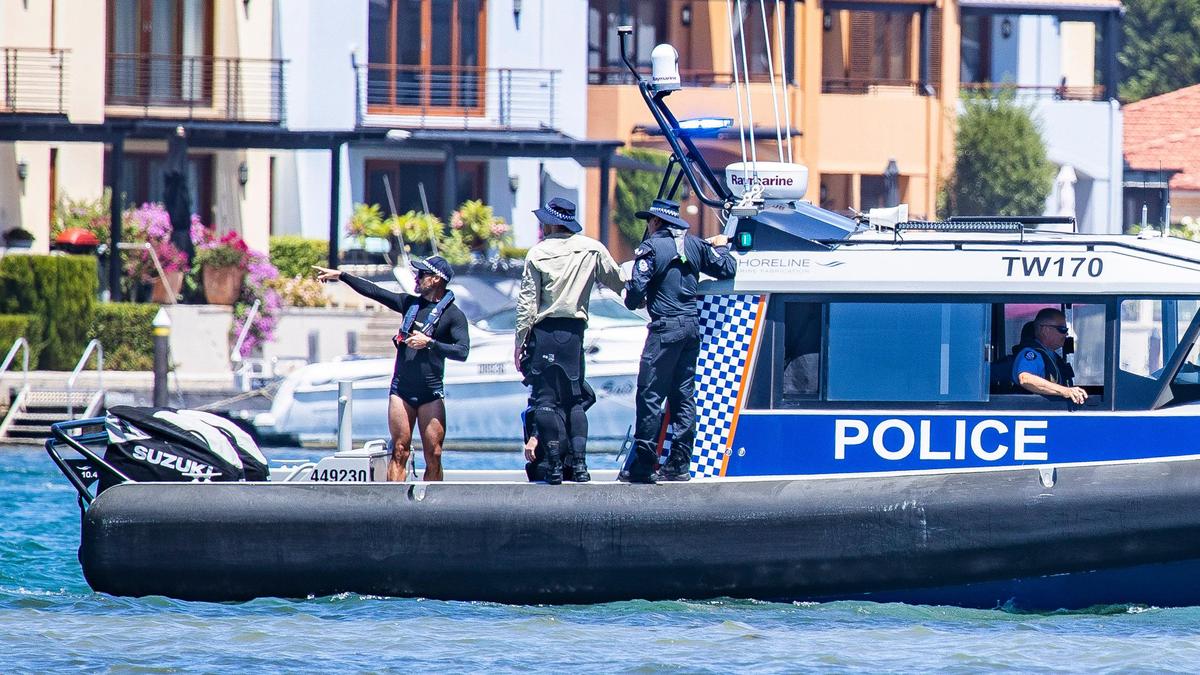
Just 32 breath tests for boat skippers have been conducted in Western Australia (WA) since marine officers gained the authority to perform the tests. This comes as concerns arise regarding the effectiveness and value of the program, which has cost the WA Government approximately $550,000 since its implementation began in late 2024.
As of December 15, 2023, the program has reported only three tests since the last update in August, wherein 29 tests were recorded. The expenditure translates to over $17,000 for each test conducted, raising questions about the program’s overall impact on marine safety.
Concerns Over Testing Frequency and Effectiveness
Under current regulations, skippers navigating vessels are subject to the same 0.05 blood alcohol limit as drivers on WA roads. Penalties for exceeding this limit include a $1,000 fine or up to $1,250 for first offences over 0.05, and more severe consequences for readings above 0.08, including fines ranging from $750 to $2,250 and potential disqualification from operating a vessel for six months.
A spokesperson for the Department of Transport and Major Infrastructure (DTMI) indicated that the low number of tests is attributable to the policy against random on-water drug and alcohol testing. They clarified that testing typically occurs post-incident or when officers have reasonable cause to suspect a skipper is under the influence. “The majority of skippers do the right thing when operating a vessel and stay within the drug and alcohol limits, and the current testing data reflects this,” the spokesperson stated.
Shadow Transport Minister Steve Martin criticized the program’s low testing rates, especially in light of the significant investment. “Three tests in the past three months is a very low number considering the resources put into this program,” he remarked. He highlighted that previous statements from the government had linked drugs and alcohol to marine-related deaths and injuries, suggesting that the program should have a stronger enforcement presence.
Implementation and Future Expectations
Marine officers were officially granted the authority to conduct on-water breath tests in December 2023, although actual testing began a year later to ensure proper training was completed. The first notable case involved a 22-year-old man from Bicton, who was caught on Boxing Day with a reading of 0.098 after performing stunts in a charter vessel’s wake. The Australia Day period also witnessed increased enforcement as marine officers issued fines.
In response to the scrutiny, the DTMI spokesperson assured the public of a continued presence of marine officers, particularly during busy periods such as the summer months. “Boat owners can expect to see DTMI education and marine officers on the water and at boat ramps across the State over the busy summer months as part of our ongoing work to reinforce responsible use of our waterways,” they said.
As the program continues, officials emphasize the importance of compliance with safety regulations and encourage skippers to prepare adequately before heading out. The community’s response to the program and its effectiveness in enhancing marine safety remains under close observation as the government evaluates the necessity and efficiency of its ongoing expenditures.