UPDATE: The viral trend called “oatzempic” is sweeping social media platforms like TikTok and Instagram, with users claiming it offers effortless weight loss. This concoction, blending oats with water or juice, is named after Ozempic, a prescription drug for type 2 diabetes that suppresses appetite. But does oatzempic deliver on its promises?
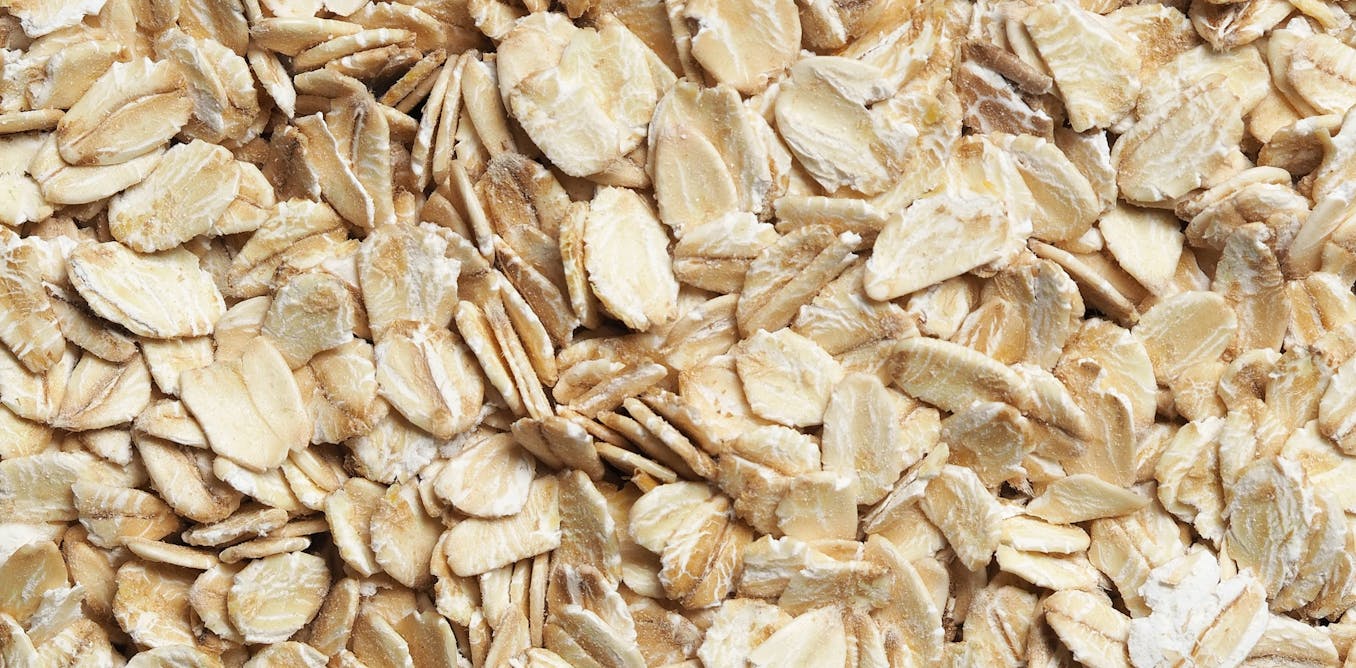
Reports confirm that while oatzempic may provide a sense of fullness, scientific backing for its weight loss claims is lacking. Most recipes suggest mixing one to two tablespoons of rolled oats with a glass of water, and some users add flavors like lemon or cinnamon. Proponents advocate drinking it as a meal substitute or snack to curb appetite throughout the day.
Experts highlight that oats contain beta-glucan, a soluble fiber that can help people feel fuller. However, this sensation alone does not guarantee meaningful or sustainable weight loss. Research indicates that while high-fiber foods, including oats, can support appetite control and improve blood glucose levels, they must be part of a balanced diet paired with physical activity for long-term effectiveness.
No formal studies have assessed the specific drink oatzempic for weight loss. There is no established recipe or dosage, and claims of weight loss could stem from overall lifestyle changes rather than the drink itself. Nutritionists assert that while oats are beneficial, relying solely on oatzempic as a “magic drink” is misguided.
As the trend grows, concerns about miscommunication arise. The name oatzempic may mislead individuals into believing this drink mimics the effects of actual medications like Ozempic, which directly impacts appetite hormones. “It could delay evidence-based care,” warns experts, urging individuals to seek professional dietary or medical advice instead of relying on fad trends.
While oatzempic might help some manage portions, it is important to note that it lacks key nutrients. Regularly substituting it for balanced meals could lead to nutrient deficiencies. For those looking for healthier options, experts recommend smoothies that incorporate oats with fruits and healthy fats, providing a more nutritious alternative.
Experts reiterate that sustainable weight management hinges on comprehensive lifestyle strategies, including cooking healthy meals, reducing sugar intake, staying hydrated, maintaining physical activity, and managing stress.
For those intrigued by the oatzempic trend, health professionals advise caution. Without scientific validation and a clear understanding of its effects, it’s crucial to prioritize a well-rounded diet and consult healthcare providers for personalized advice.
Stay tuned as the conversation around oatzempic develops, and consider the implications for your health.