UPDATE: The New South Wales Parliament has just passed the controversial Terrorism and Other Legislation Amendment Bill 2025 at 3am on October 30, 2023, granting police sweeping powers to ban protests for up to three months following a declared terrorist incident. This legislation comes in the wake of the recent Bondi massacre, raising urgent questions about public safety and civil liberties.
The bill was rushed through an emergency session, with the final draft provided to parliament members less than an hour before the reading. At the heart of this legislation is the newly established Public Assembly Restriction Declaration (PARD), which allows authorities to outlaw peaceful protests in designated areas, even in the absence of unlawful conduct. This means that peaceful assemblies could face criminal liability and participants could lose legal protections typically afforded to protests.
Police Minister Yasmin Catley emphasized the need for these powers to prevent public gatherings that could inflame community tensions or obstruct emergency responses. “The critical power to provide is the ability to completely prohibit the authorisation of any public assemblies to ensure public safety,” Catley stated during the parliamentary session.
The bill comes amid increasing scrutiny of security measures, particularly those involving the Community Security Group (CSG), a Jewish security organization with reported ties to Mossad. Premier Chris Minns has faced tough questions regarding the arming of CSG members during public events, yet his office has not responded to inquiries about the due diligence undertaken in this context.
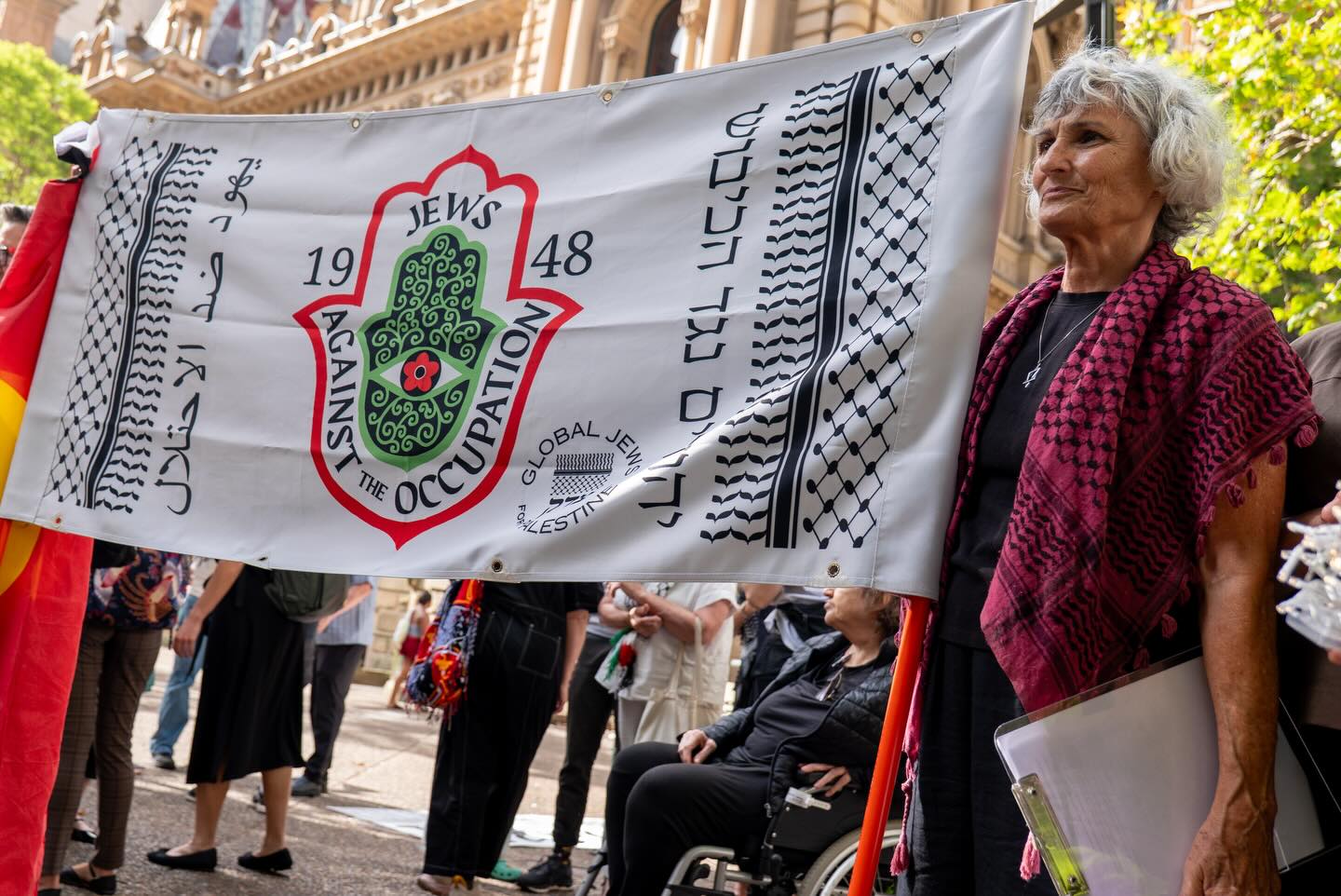
Critics argue that the government is conflating peaceful protests with acts of terrorism, using the aftermath of the Bondi attack to justify a crackdown on democratic rights. Academic voices, including Dr. Nick Reimer from the University of Sydney, expressed deep concern that the legislation could silence dissent. “For the NSW Premier, a top priority in responding to the Bondi massacre was to ensure that there could be no more peace marches in Sydney,” he wrote.
Opposition leader Kellie Sloan linked the legislation to wider social unrest, claiming that ongoing protests could directly lead to further violence. The opposition proposed stricter penalties for organizing protests during restriction periods, including mandatory fines and jail terms, but these amendments were voted down.
As the implications of this legislation unfold, many are left questioning the balance between public safety and the right to assemble. The new laws have sparked significant backlash, with critics warning that they may stifle important voices in the community.
The situation remains fluid, and further developments are expected as public reactions continue to emerge. Advocates for civil liberties are urged to monitor the implementation of these new laws closely, as they could set a precedent for future restrictions on public assembly.
Stay tuned for more updates as this story develops.