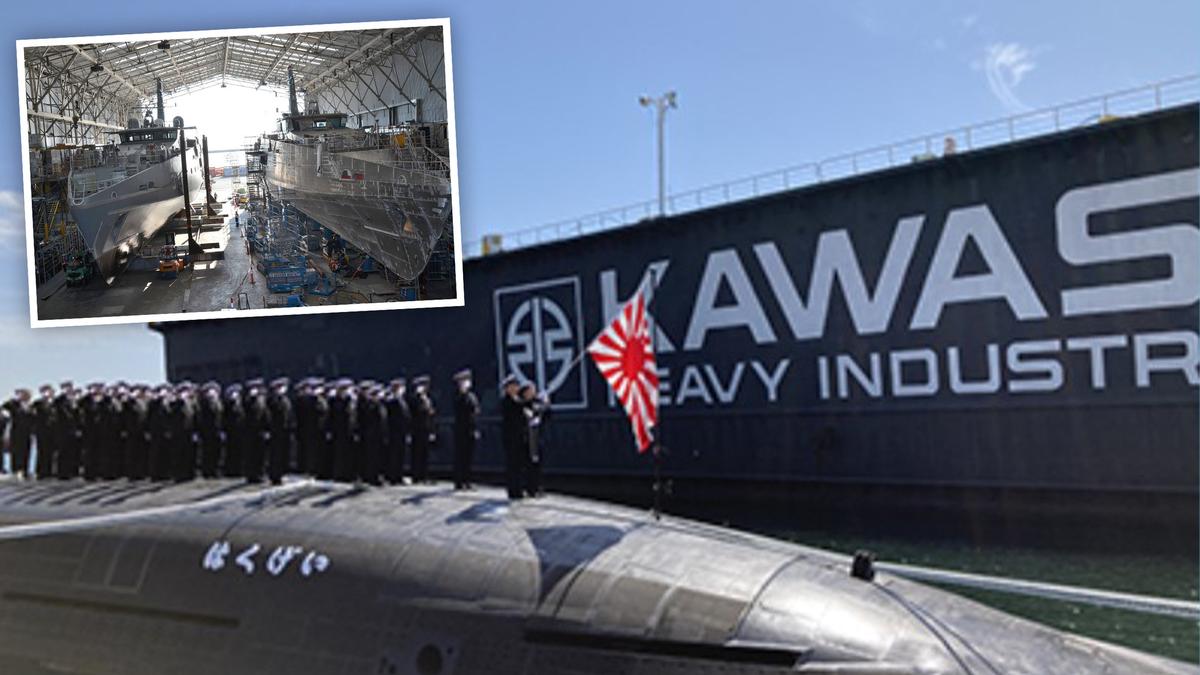
BREAKING: A major fraud investigation is unfolding involving Kawasaki Heavy Industries, the Japanese defence contractor linked to the high-profile $10 billion SEA3000 program for Mogami warships. Authorities in Tokyo are probing serious allegations that the company falsified fuel efficiency data for diesel engines utilized in submarines for the Japanese Maritime Self-Defence Force.
This urgent investigation could lead to Kawasaki being suspended from future military contracts, raising significant concerns about the integrity of the entire project. The Australian Government selected the Mogami design in 2025 for a fleet of next-generation frigates, further complicating the situation as construction is set to begin in Western Australia (WA).
Japanese Defence Minister Shinjirō Koizumi confirmed that his department is conducting a thorough investigation, including on-site inspections, in coordination with Kawasaki’s own internal review. “As the investigations are ongoing, I cannot provide further details. Once the facts are confirmed, we will respond appropriately,” Koizumi stated during a press briefing on Friday.
Reports suggest that Kawasaki has been manipulating data to misrepresent engine performance since at least 2002, raising alarms about the potential impact on national security. Allegations include submitting falsified figures to meet government standards and minimize discrepancies in measurements. This follows a previous scandal where Kawasaki was issued a “strict warning” by the Defence Ministry for generating 1.7 billion yen ($16.2 million) through inappropriate financial practices involving gifts to crew members.
The implications of this scandal reach beyond Japan, as the Royal Australian Navy is set to partner with Mitsubishi Heavy Industries for the first three ships, which will be built in Japan before moving to Henderson for final construction.
During a meeting with his New Zealand counterpart, Koizumi also addressed concerns regarding a South Korean company’s increased stake in Austal, the WA-based shipbuilder. Earlier this month, Treasurer Jim Chalmers confirmed that Hanwha would be allowed to raise its ownership from 9.9 percent to 19.9 percent, a move that has raised eyebrows in Japan due to potential security risks regarding the sharing of proprietary technology and intellectual property.
Koizumi acknowledged Japan’s longstanding collaboration with Australia on defense matters, emphasizing the importance of protecting sensitive technical information. “We will ensure that appropriate measures are taken in the joint development and production of Australia’s next-generation frigates,” he added.
The Sunday Times previously reported that Japan has expressed concerns over Hanwha’s growing influence in Austal, having communicated with the Australian Defence Department multiple times prior to the approval of the stake increase. Notably, Austal was not consulted during the Foreign Investment Review Board process, and has pushed back against Hanwha’s previous takeover attempts.
As this situation develops, both Japan and New Zealand are remaining tight-lipped about discussions regarding potential exports of Mogami warships to New Zealand, with Koizumi reiterating the need for ongoing communication.
This developing story continues to unfold, raising critical questions about the future of the Mogami project and the integrity of military procurement processes. Stay tuned for updates as investigations progress and further details emerge.