






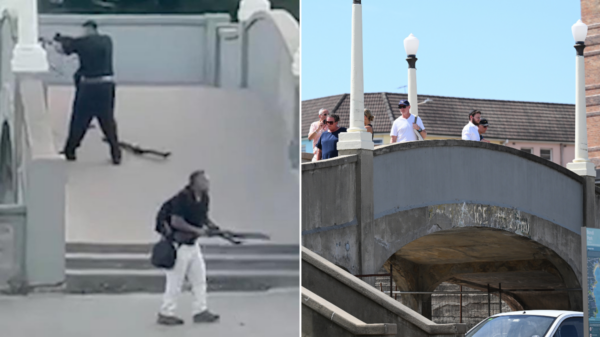
















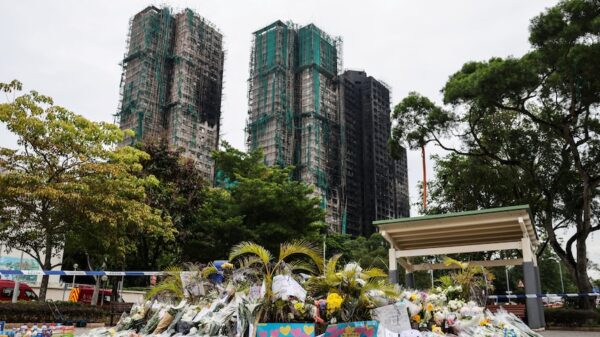



UPDATE: The fallout from the Bondi massacre on December 14 is reshaping Australia’s political landscape, revealing deep divisions that could linger for years. As tensions rise, the Scanlon Institute’s latest report highlights a troubling increase in negative attitudes toward people of faith, particularly among the Jewish and Muslim communities.
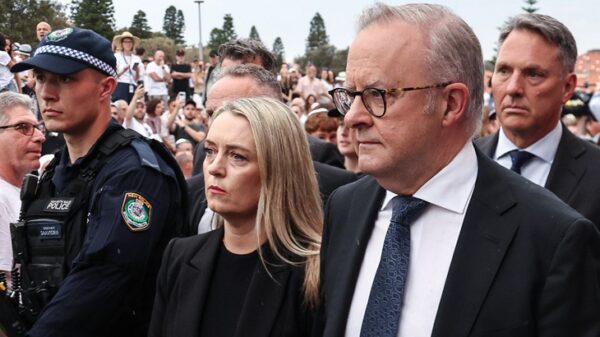
NSW Premier Chris Minns addressed the nation on Monday, stating, “There’s no doubt about the fact that it’s going to change Bondi, but we think it can be stronger in the broken places.” However, many feel that the cracks are widening, particularly within political circles and between leaders and the communities they serve.
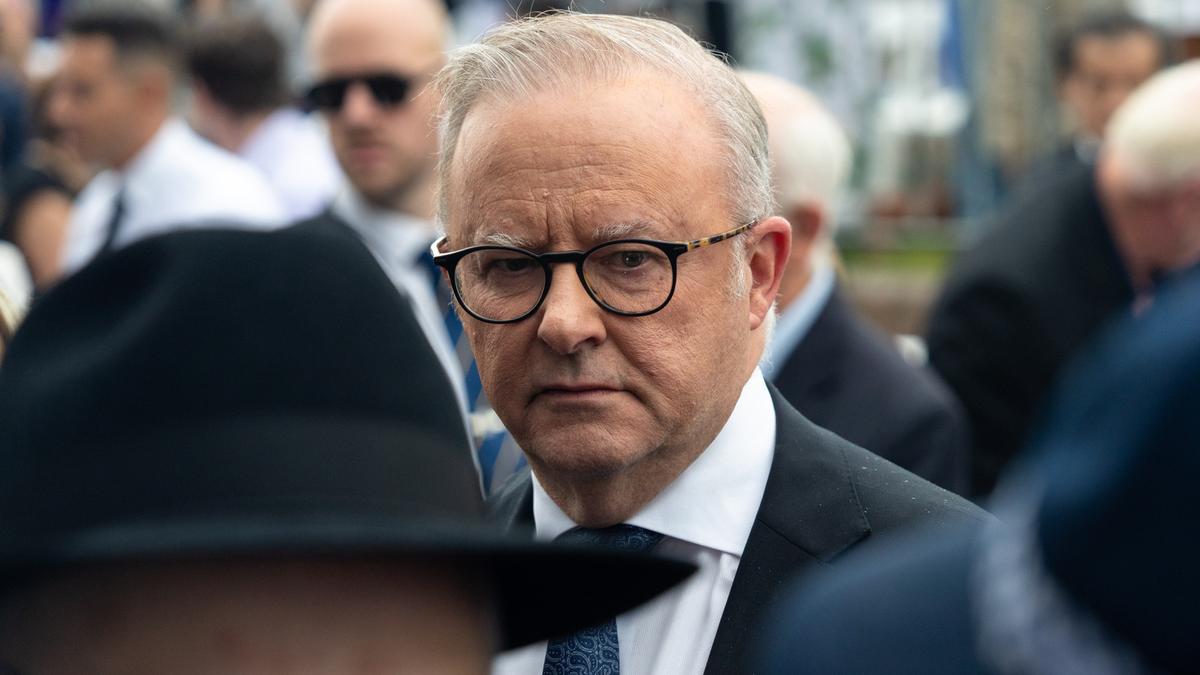
Calls for a broader investigation into the circumstances surrounding the massacre have intensified, especially from the families of victims. Prime Minister Anthony Albanese is facing mounting pressure to initiate a royal commission, a demand that is increasingly viewed as a litmus test of government accountability. His refusal to act is exacerbating anger within the Jewish community, who are concerned about a lack of responsiveness to their calls for justice.
Political insiders express fears that a royal commission could backfire on the government. Senior Labor figures worry about the implications of such an inquiry, as articulated by Tony Burke. The political ramifications of probing anti-Semitism alone may not favor the government, raising questions about how to approach extremism in a society already fraught with division.
The Scanlon Institute report reveals a disturbing trend over the past three years, with increasing hostility towards individuals of religious faith. This growing divide underscores a critical need for compassion and unity. While it is unrealistic to believe that kindness alone can heal centuries of division, it is essential for rebuilding community trust.
As the nation grapples with these challenges, the urgent question remains: how do we move forward? The political landscape is at a crossroads, and the decisions made in the coming weeks will significantly impact Australia’s social cohesion.
Leaders must engage with communities to address underlying fears and foster dialogue. The necessity for a national conversation about combating extremism—whether from Islamist groups or neo-Nazi factions—has never been more pressing.
What happens next? The political arena is charged with urgency. With the 2026 elections on the horizon, the need for effective, compassionate leadership is paramount. As divisions deepen, the call for kindness is not just a moral plea but a crucial strategy for national healing.
The Australian public is watching closely for developments as leaders confront the significant societal issues brought to light by the Bondi massacre. The path forward must prioritize unity and understanding to prevent further fractures within the community.