
































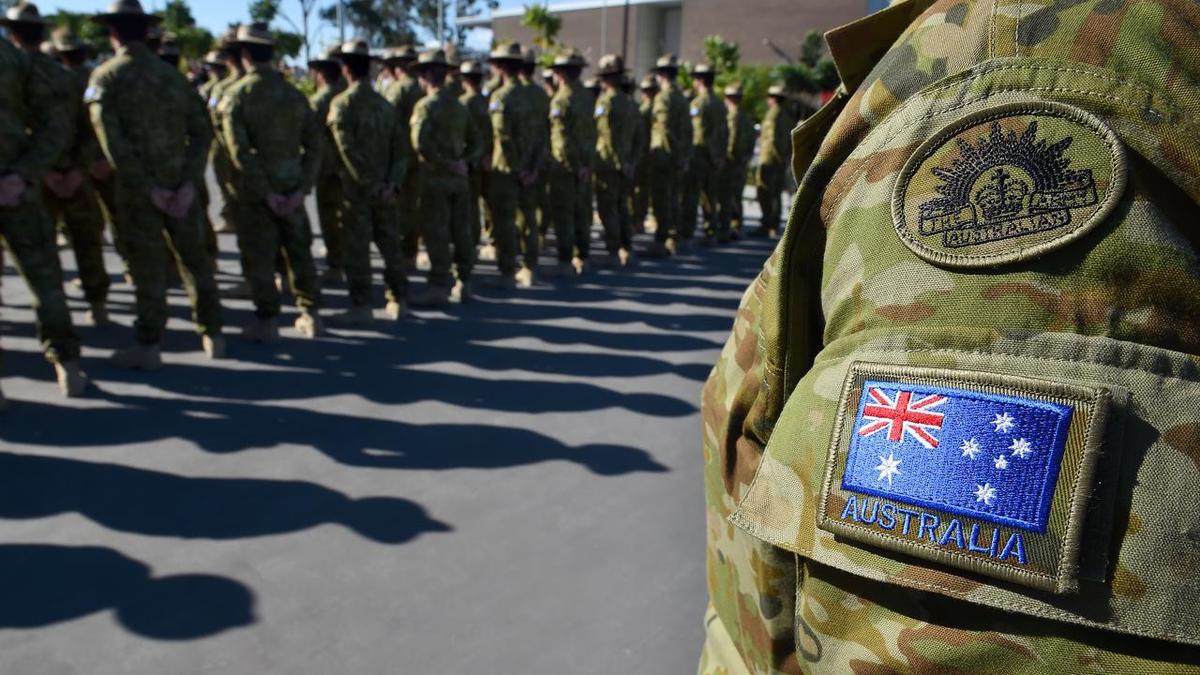
UPDATE: Veterans are urgently calling for the Australian Defence Force to lift non-disclosure agreements (NDAs) that silence survivors of sexual assault and harassment. This demand comes as survivors seek to regain control over their narratives and share their experiences publicly without legal repercussions.
Nikki Coleman, vice chair of the Athena Project, condemned the use of NDAs, stating they primarily protect the Defence Force’s reputation while preventing victims from healing. Coleman, a former Air Force chaplain, has firsthand experience of the catastrophic effects of these agreements. “NDAs and confidentiality agreements are very damaging to victims,” she stated. “I believe they are quite coercive.”
Coleman detailed her own traumatic experiences of physical and sexual abuse during her service. Following her departure, she faced additional distress after lodging a complaint regarding comments made by the Chief of the Air Force during a parliamentary hearing. The psychological toll was severe; she ended up hospitalized on suicide watch due to the stress of her situation.
The Department of Defence has officially stated its commitment to addressing sexual violence within its ranks. However, as Coleman pointed out, “Too many people are still bound by historical NDAs that would never be agreed to today.” She is urging the Albanese Government to take immediate action to revoke these NDAs, which continue to restrict survivors’ voices.
In a parallel effort, Ms. Delaforce is leading a national initiative to ban the use of NDAs related to workplace sexual harassment, moving away from a piecemeal state-by-state approach. This push follows recent restrictions implemented in Victoria, aimed at protecting victims.
A class action lawsuit filed against the Defence Force by law firm JGA Saddler alleges widespread systemic sexual harassment, violence, and discrimination against women within the military. The firm asserts that NDAs should not impede a victim’s right to discuss their experiences confidentially with legal counsel. Lawyer Joshua Aylward expressed optimism that this legal action could mirror successful outcomes seen in the mining industry, where women previously gagged by NDAs were later able to speak freely.
“This was a significant win for women who had previously been gagged by legal threats from mining companies. We expect the same will happen in Defence,” Aylward stated, highlighting the critical nature of this movement for survivors.
As this situation continues to develop, the call for reform is growing louder. Veterans and advocates emphasize the emotional toll these agreements impose on survivors, stifling their ability to heal and share their truths. The need for immediate action is clear.
For those affected, support is available through various services, including Lifeline at 13 11 14, Open Arms at 1800 011 046, and the National Sexual Abuse and Redress Support Service at 1800 211 028.
The urgency of lifting these NDAs cannot be overstated. As veterans rally for their rights, the spotlight remains on the Defence Force and the Australian government to take decisive action to support survivors of sexual violence. The time for change is NOW.