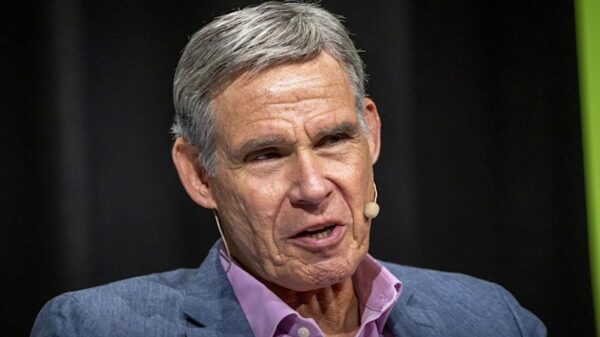




























Mongolia is setting its sights on a significant boost in tourism, aiming to attract two million annual visitors by 2030. This goal, announced by Nomin Chinbat, Mongolia’s Minister of Culture, Sports, Tourism and Youth, could see the tourism sector contribute approximately $4 billion to the nation’s economy. Currently, tourism accounts for only 3-4% of the country’s GDP.
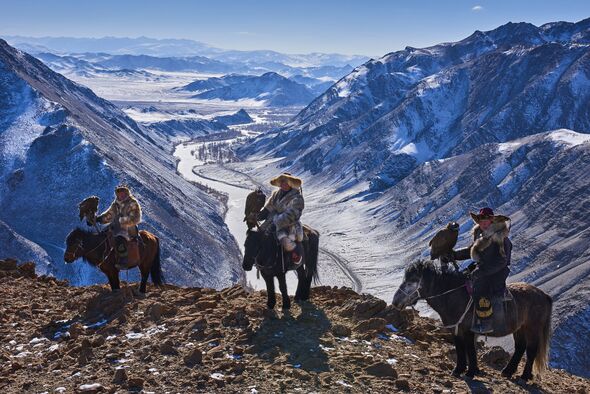
While many travelers flock to popular Asian destinations such as Thailand, Bali, and Japan, Mongolia offers a unique experience filled with breathtaking landscapes and rich cultural traditions. The country, often referred to as the “Land of the Blue Sky,” is nestled between Russia and China and is noted for its vast grasslands, mountain ranges, and the expansive Gobi Desert.
Tourism Growth and Economic Impact
Mongolia welcomed a record-breaking 808,000 foreign visitors in 2024, with tourism interest rising steadily. According to Chinbat, the tourism sector has experienced annual growth of around 9%, with aspirations to elevate that figure to 16%. “We have a big, ambitious kind of goal, which is about 2 million tourists by 2030,” Chinbat stated, emphasizing the potential economic impact of this influx.
The country’s diverse landscapes play a crucial role in attracting tourists. The Gobi Desert, the fifth-largest desert globally, is renowned for its “Singing Sands” and its significance as a site for dinosaur fossil discoveries. The Mongolian steppe, characterized by its endless grasslands, supports a massive livestock population, including 29.4 million sheep and 24.6 million goats.
In addition to its natural wonders, Mongolia’s rugged terrain is home to the elusive snow leopard and the rare Przewalski’s horse, the last truly wild horse in the world. This combination of natural beauty and unique wildlife offers compelling reasons for tourists seeking adventure, culture, and spiritual experiences.
Cultural Richness and Urban Life
Mongolia’s culture is deeply rooted in nomadic pastoralism. Approximately 25% to 40% of the population still lives in traditional felt tents known as Gers. These cultural practices provide a glimpse into a lifestyle that has persisted for centuries, captivating visitors interested in authentic experiences.
While much of Mongolia is rural, its capital city, Ulaanbaatar, is a vibrant urban center. Home to around 1.76 million residents, it holds the distinction of being the world’s coldest capital city. With a high elevation of approximately 1,350 meters (around 4,430 feet) above sea level, winter temperatures can plummet below -25°C and occasionally reach as low as -50°C.
As Mongolia prepares to enhance its tourism infrastructure and efforts, the focus remains on showcasing its natural beauty and cultural heritage to the world. With a targeted approach to attract more visitors, the nation hopes to transform its tourism landscape significantly by 2030.