



































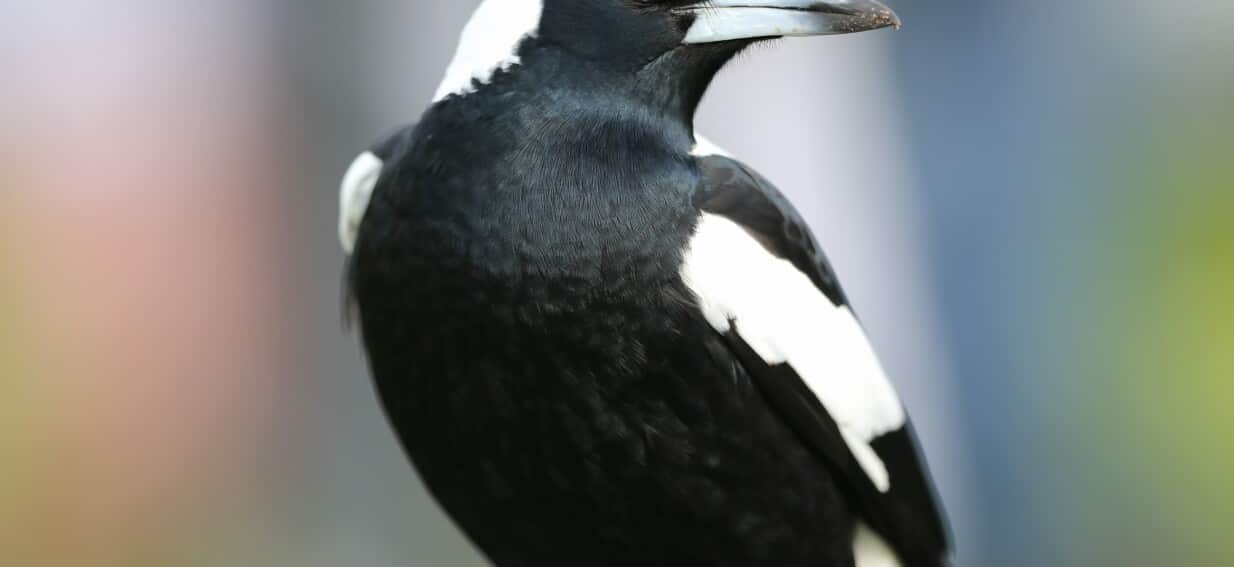
A mysterious illness has led to a significant increase in the number of magpies in Australia suffering from paralysis. While various potential causes have been investigated, experts indicate that researchers are still distant from identifying the precise origin of this alarming condition.
The Australian National Wildlife Collection has reported a surge in cases since early 2023, raising concern among wildlife specialists and rehabilitation centres. The National Parks and Wildlife Service stated that numerous magpies have been observed exhibiting symptoms such as weakness and inability to fly, which has prompted urgent investigations.
Dr. David McDonald, a leading expert in wildlife health, emphasized that while many common ailments have been ruled out, the situation remains troubling. “We have considered several factors, including environmental toxins and infectious diseases, but none have provided a conclusive explanation,” he noted. This uncertainty has left researchers and wildlife advocates seeking answers.
Despite extensive testing, including examinations by veterinary pathology experts, the specific cause of the paralysis continues to elude identification. The lack of clarity about this illness not only affects the birds but also raises concerns about the broader ecological implications.
Wildlife rehabilitation efforts are underway, with volunteers across Australia working diligently to care for affected magpies. Rehabilitation centres have reported receiving a higher than usual number of calls from the public about birds in distress. These centres play a critical role in providing immediate care and support to the injured birds while researchers continue to seek a definitive cause.
As the situation progresses, the Australian community is urged to remain vigilant. Reporting any sightings of affected magpies can assist researchers in gathering more data. The ongoing investigation underscores the importance of understanding wildlife health and maintaining ecological balance.
Efforts are being amplified as researchers collaborate with various institutions and organizations. The urgency of the situation is evident, and experts hope that with continued focus and resources, a breakthrough may soon be on the horizon.
In the meantime, the plight of the magpies serves as a reminder of the fragility of wildlife ecosystems. The questions surrounding this mystery illness highlight the need for ongoing research and monitoring of wildlife health to ensure the protection of these birds and their habitats.