UPDATE: Sydney officials have just announced a significant revision to the planned New Year’s Eve tribute, honoring the 15 victims of the Bondi Beach Chanukah massacre. Following backlash from the Jewish community, the City of Sydney will now incorporate a menorah into the tribute, acknowledging the antisemitic nature of the attack and ensuring the victims are recognized as Jews.
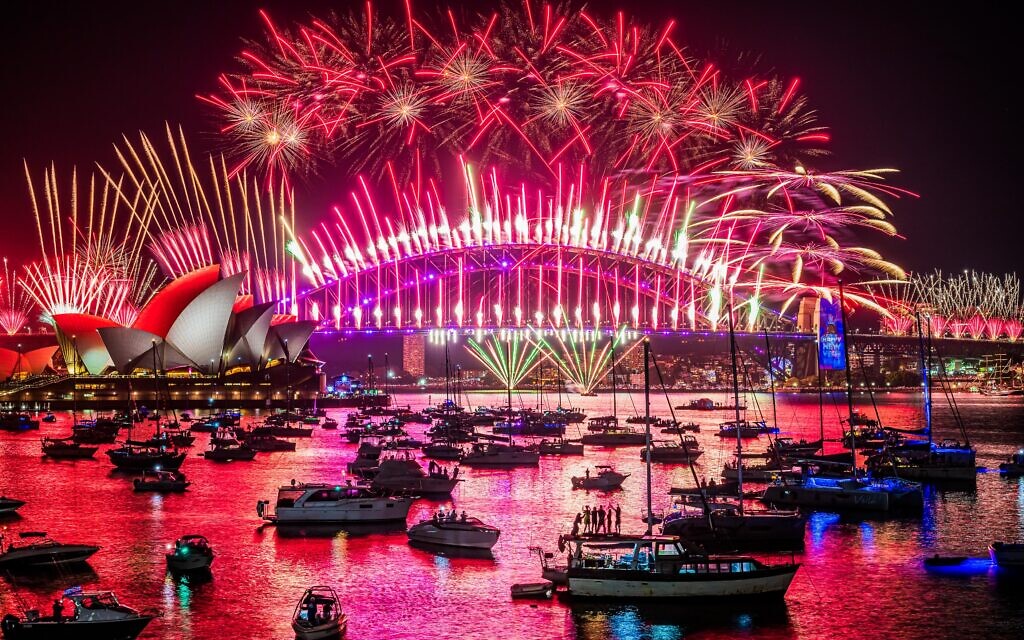
Originally, the City of Sydney planned to project a white dove and the word “peace” onto the Harbour Bridge along with a minute of silence. This proposal triggered swift criticism from nearly 30 prominent Jewish figures, including Pulitzer Prize winner Geraldine Brooks and Academy Award winner Emile Sherman. They argued that the initial plans overlooked the targeted nature of the attack, which took place on December 14 during a Chanukah gathering, and insulted the memory of those who were killed for their Jewish identity.
In an open letter to Lord Mayor Clover Moore, the leaders emphasized that the victims were murdered specifically for being Jewish. “It is insulting to strip our friends and family, who were killed for being Jews, of the dignity of being recognised as Jews in their death,” the letter stated. The community expressed that generic symbols of peace fail to address the rise of antisemitism in Australia, which has become increasingly concerning in recent years.
After the outcry, Mayor Moore acknowledged the concerns and confirmed the revised tribute. During the moment of silence, a menorah will now be projected alongside the dove and the words “peace” and “unity”. This change is viewed as a crucial step in recognizing and confronting antisemitism on a national stage.
Ben Adler, a spokesperson for the community, highlighted the importance of this tribute on a global scale. “The Sydney NYE fireworks are watched by millions nationally and hundreds of millions globally. It’s a massive opportunity to show the world that Australia stands unequivocally in support of the Jewish community,” he stated. Failing to recognize the Jewish identity of the victims, he added, would send a damaging message at a time when Australia is grappling with rising antisemitism.
The revised tribute is not just a local event; it is a moment of cultural significance that reaches audiences worldwide. The decision to include Jewish symbols aims to bridge divides and foster understanding, especially given the alarming rise in antisemitism in Australia and beyond. Adler emphasized that exposure to Jewish culture through public tributes can help combat the alienation and demonization faced by the community.
For many, this outcome represents more than just an imagery dispute. It tests Australia’s commitment to confronting antisemitism openly and directly. “Only when we clearly name the problem of anti-Jewish hatred in Australia can we hope to overcome it,” Adler and fellow spokesperson Ben-Moshe asserted.
As Sydney prepares for its New Year’s Eve celebrations, the revised tribute stands as a pivotal moment for recognition and healing. It will take place less than three weeks after the tragic attack, a stark reminder of the challenges still facing the Jewish community.
With the clock ticking toward the New Year, all eyes are on Sydney, where this tribute aims to send a powerful message of solidarity and remembrance.