

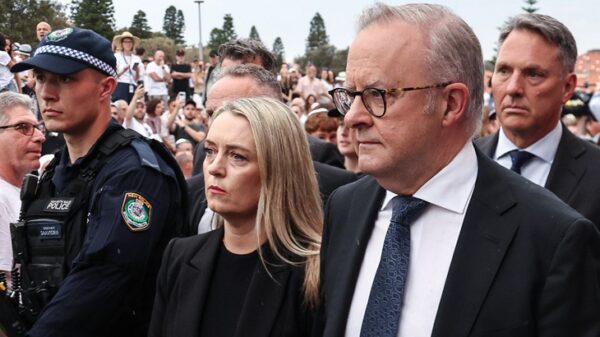


























UPDATE: Australia is taking decisive action in response to the recent antisemitic attack at Bondi Beach during a Chanukah celebration, described by Prime Minister Anthony Albanese as “an act of evil.” The New South Wales Government has just announced a plan to significantly tighten gun laws, a response to the chilling reality that a licensed gun owner was involved in this horrific incident.
The proposed reforms, revealed earlier today, include stricter regulations on 3D-printed weapons, limiting individual firearm ownership to four guns—down from six—and enhancing controls over high-capacity magazines. These measures come in the wake of increasing concerns over public safety and the growing threat of radicalization.
As the nation grapples with this devastating event, the Jewish community is demanding more than just superficial changes. The tragic incident, which left families in shock and mourning, has sparked a critical debate: Are these new measures enough to ensure safety?
The recent attack casts a shadow not only over the festive season but also raises questions about the effectiveness of Australia’s gun laws. The government’s commitment to implement the “toughest gun law reforms in a generation” seems inadequate to many, especially when the legal cap for firearm ownership still allows for exemptions that could permit individuals to possess up to 10 firearms.
In a statement, Albanese emphasized the need for swift action, asserting that licenses must not be “in perpetuity” as they can become dangerous in the hands of those who may become radicalized. He echoed a sentiment shared widely: “If we are so afraid of being called racist that we stop asking what is being taught, we abandon our responsibility.”
The urgent need for comprehensive reform extends beyond gun laws. Experts argue that tackling antisemitism requires a multifaceted approach, including educational reforms that instill a culture of human rights and dignity. Schools receiving public funds must ensure a curriculum that promotes equality and actively counters hatred.
As Jewish leaders have noted, antisemitism has been on the rise in Australia, with reported incidents of harassment and violence increasing. Authorities must act decisively to address these concerns, not just with words but with real consequences for those who cross the line into incitement.
The state’s response must also include a rigorous review of immigration policies to ensure that those who seek to harm Australian citizens face appropriate repercussions. “This country will defend its Jewish citizens first,” Albanese stated, underlining the government’s commitment to protecting vulnerable communities.
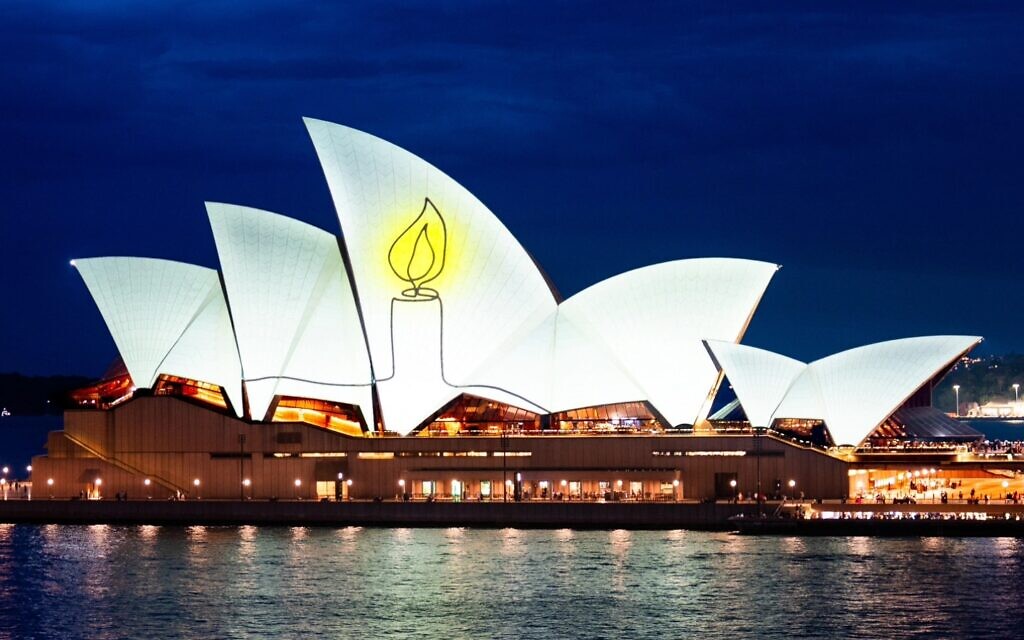
As the final days of Chanukah approach, the Jewish community is left grappling with fear and uncertainty. The sparkling lights of the festival are overshadowed by the haunting reality of violence. “Candles on Bondi Beach became targets,” one community member lamented, highlighting the stark contrast between celebration and tragedy.
The government’s measures to enhance gun control are critical, but they must be part of a broader strategy to confront hatred and violence in all its forms. The Australian public is calling for a commitment to ensure safety for all citizens, particularly those who have historically faced persecution.
With these developments unfolding, the focus remains on how effectively the government can implement these reforms and what additional steps will be taken to create a safer and more inclusive society.
The Australian Jewish community, along with advocates for gun reform and social justice, will be watching closely as these policies roll out. The time for action is now, and the stakes could not be higher.