






























Former President Bill Clinton and former Secretary of State Hillary Clinton have announced their refusal to comply with a congressional subpoena related to the House Oversight Committee’s investigation into Jeffrey Epstein. In a letter shared on social media on March 12, 2024, the Clintons criticized the probe as “legally invalid” and expressed concern over potential contempt of Congress proceedings initiated by Republican lawmakers.
Clintons’ Response to Subpoena
The Clintons expressed their intention to “forcefully defend” themselves against the committee’s actions. They specifically targeted the committee’s chairman, Representative James Comer, accusing him of a selective approach to subpoenas. In their letter, they claimed that Comer allowed other former officials to provide written statements regarding Epstein while targeting them for compulsory testimony.
Comer has indicated that he will begin contempt of Congress proceedings next week, a step that could lead to prosecution by the Justice Department. He stated, “No one’s accusing the Clintons of any wrongdoing. We just have questions,” following Bill Clinton’s absence from a scheduled deposition on March 12.
Background on Epstein’s Case
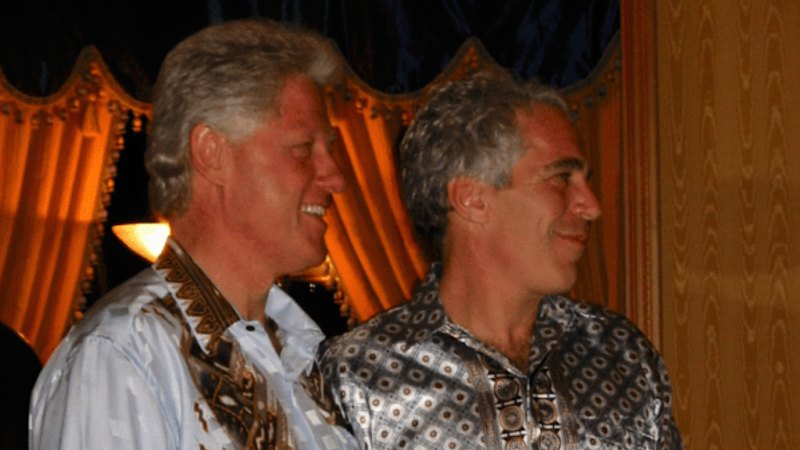
Clinton’s connection to Epstein has drawn scrutiny, particularly as the latter was arrested in 2019 on federal sex trafficking and conspiracy charges before dying in a New York jail cell while awaiting trial. The Clintons acknowledged the severity of Epstein’s crimes in their letter, saying, “We have tried to give you the little information we have. We’ve done so because Mr. Epstein’s crimes were horrific.”
The investigation into Epstein’s activities has prompted various political figures to weigh in, with Republicans focusing on Clinton’s past association with Epstein during the 1990s and early 2000s. This relationship has been leveraged as part of broader demands from Republican lawmakers for a comprehensive examination of Epstein’s misconduct.
Historically, former presidents have voluntarily testified before Congress, but none have faced compulsion to do so. This precedent was highlighted during Donald Trump’s presidency, when he was issued a subpoena by the House committee investigating the January 6, 2021, Capitol riot. Trump’s legal team cited long-standing legal protections for former presidents, leading to the eventual withdrawal of the subpoena.
In contrast to the Clintons, Comer has stated that the Oversight Committee does not intend to compel testimony from Trump regarding Epstein, emphasizing that a sitting president cannot be forced to testify. Trump’s past friendship with Epstein has also come under review, although he has claimed to have severed ties with Epstein before allegations of sexual abuse surfaced.
The ongoing political and legal ramifications of the House Oversight Committee’s investigation into Epstein continue to unfold, with the Clintons poised to challenge any judicial actions brought against them in relation to this inquiry.