






















The tragic events at a Hanukkah event in Bondi, Australia, on October 7, 2023, have sparked intense political debate and public outcry. The attack, which resulted in at least 15 fatalities and numerous injuries, has been unequivocally deemed an act of antisemitic terrorism linked to Islamic fundamentalism. The swift actions of a local hero, Ahmed al-Ahmed, a Muslim who intervened to help quell the violence, highlighted the complexity of the situation and the broader implications for the Muslim community in Australia.
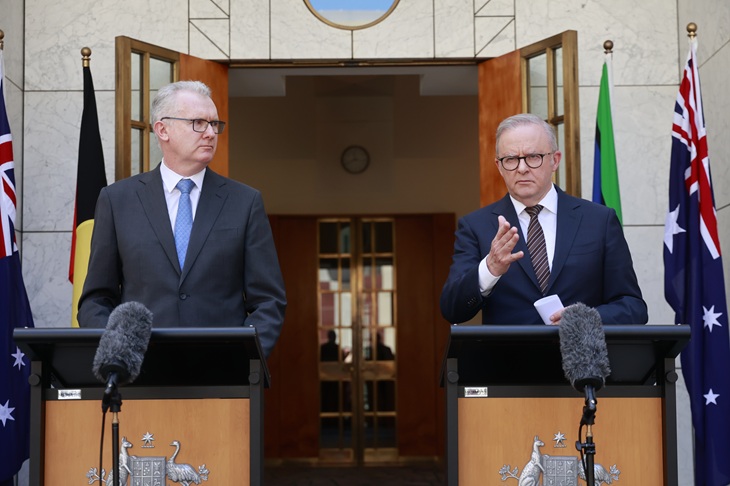
In the immediate aftermath, Prime Minister Anthony Albanese directed criticism towards gun control, suggesting that stricter regulations could prevent similar incidents in the future. Critics argue that this response was an attempt to divert attention from the underlying issues of antisemitism and Islamic extremism. Former Treasurer Josh Frydenberg vocally condemned Albanese’s comments, asserting that they reflected a failure to address the growing climate of antisemitism which has emboldened extremists.
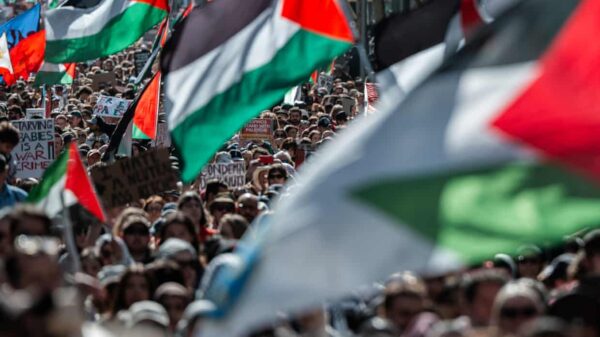
Frydenberg emphasized that the government’s inaction has contributed to a dangerous atmosphere where hostility towards Jewish people is increasingly normalized. He pointed to a concerning trend where calls for an intifada, historically associated with violent uprisings, have become more prevalent in public discourse. The owner of Avner’s Bakery noted that these shifts in public sentiment have made it easier for individuals to justify acts of violence against Jewish communities.
While Albanese cannot be directly blamed for the massacre, it is evident that his government has presided over a climate in which such acts are more likely to occur. Barnaby Joyce, a prominent political figure, remarked that the government’s response is akin to trying to stop a horse after it has bolted, rather than implementing preventive measures beforehand.
In response to the attack, the Albanese government has announced intentions to combat antisemitic messaging. However, critics have described these measures as hasty and overly reliant on censorship rather than addressing the root causes of hatred. The planned crackdown on “hate speech” lacks clarity, raising concerns about the potential for backlash and further alienation of communities.
The government’s approach to tightening gun laws has also drawn scrutiny. Australia already has stringent gun control measures, and many argue that existing regulations should suffice with minor adjustments. The recent incident has exposed gaps in enforcement, particularly regarding individuals on government watch lists. Instead of targeted reforms, the government appears to be implementing sweeping changes that could hinder lawful gun ownership without addressing the real issues at hand.
The overarching challenge for the Albanese administration lies in acknowledging the complex dynamics of rising antisemitism and the need for a nuanced response. The government’s reluctance to confront Islamic extremism head-on raises questions about its commitment to addressing the factors that led to such a violent act. Critics contend that failing to engage with these issues will perpetuate a cycle of violence and hatred.
As the political landscape continues to evolve in the wake of this tragedy, the government faces mounting pressure to provide a comprehensive and effective response. The stakes are high, not only for the Jewish community but for the broader societal fabric as Australia navigates these troubling waters. The need for dialogue, understanding, and educational initiatives has never been more urgent in the quest to foster a more inclusive society.