















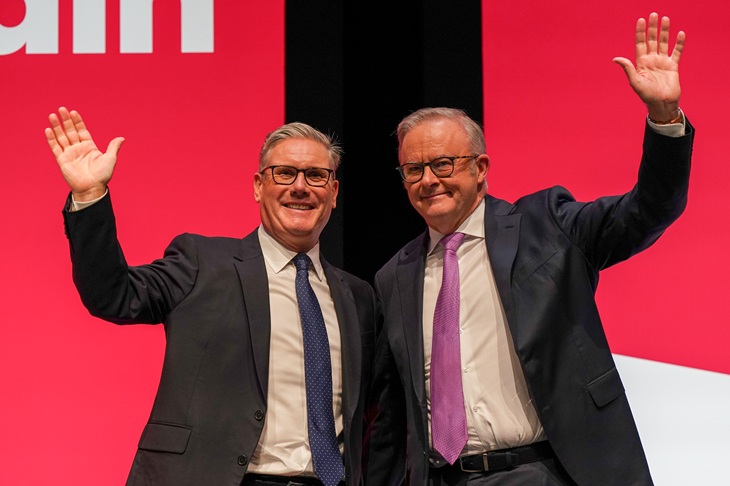
The UK Labour government is considering a ban on the social media platform X, raising significant concerns about censorship and freedom of expression. Critics argue that this move is less about safety and more about controlling public dissent. The government’s reaction seems to stem from X’s role in exposing various scandals, including the Pakistani Grooming Gangs, which had been overlooked by multiple levels of government and law enforcement.
Many observers believe that the government’s apprehension regarding X is linked to its potential impact on public opinion. According to reports, X has been instrumental in whistle-blowing activities, revealing government mismanagement during the COVID-19 pandemic. The platform published official requests from governments seeking to silence victims of vaccine injuries and lockdown measures. This transparency has reportedly embarrassed the Labour leadership, prompting fears about losing control over the narrative.
Concerns Over Censorship and Public Dissent
The proposed ban on X has sparked debates about the government’s commitment to free speech. Critics assert that the move is aimed at stifling dissent over various contentious issues, including climate change and immigration policies. The government has been accused of labeling criticism of its climate initiatives as ‘harmful rhetoric,’ drawing attention to the financial interests tied to the climate change narrative, which is worth over $1 trillion annually.
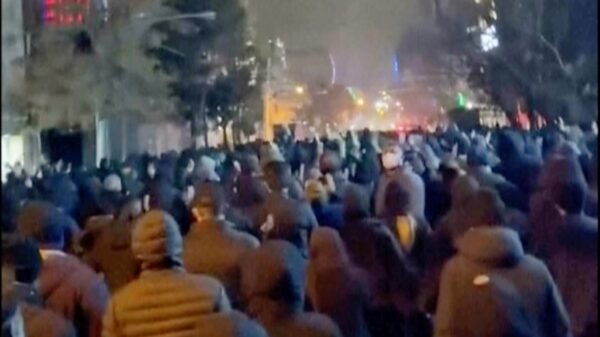
Moreover, the reaction to public dissent raises alarms about the erosion of democratic values. Many citizens are using X to voice opinions that diverge from Parliamentary majorities, reflecting a growing dissatisfaction with traditional political structures. This discontent has led to a revolutionary mindset, as people feel increasingly marginalized by a government that appears to be more concerned with maintaining power than addressing public needs.
The implications of banning X extend beyond social media. Critics liken such measures to actions taken by authoritarian regimes, such as those in Iran and North Korea. The notion that a democratic government would resort to censorship to suppress dissent has prompted calls for citizens to reject these tactics and demand accountability from their leaders.
The Broader Implications of Digital Censorship
The current climate of censorship raises critical questions about the future of free speech in the digital realm. Observers highlight that the criticisms aimed at X are not unique to this platform alone; similar issues exist across various social media and content-sharing platforms. The inconsistency in government oversight, particularly concerning violent content, suggests a troubling double standard that prioritizes political narratives over genuine public safety.
As the debate continues, the role of social media in shaping public discourse is more vital than ever. Many argue that the government should focus on addressing the underlying issues driving public dissatisfaction instead of attempting to silence critics. The ongoing discussions about censorship reflect a broader struggle for control of the narrative in an increasingly polarized political landscape.
In the face of potential bans, advocates for free speech are urging citizens to stand firm against government attempts to curtail their rights. The call for a unified response against censorship highlights the pressing need to protect the digital realm as a space for open dialogue and diverse perspectives. As the situation evolves, it remains crucial for the public to engage with these issues actively and advocate for their rights in the face of governmental overreach.