


























A significant cultural shift is underway in the United States as more individuals embrace alcohol moderation, particularly through initiatives like **Dry January**. This month-long commitment to sobriety, which originated in the UK in **2013**, has gained traction among Americans, especially among younger generations who are increasingly reassessing their drinking habits.
According to a recent **Gallup poll**, only **54%** of American adults reported consuming alcohol, marking the lowest level of consumption in nearly **90 years**. This decline reflects a broader trend where many are opting for sobriety or moderation, a movement accelerated by the pandemic’s influence on lifestyles and drinking behaviors.
The impact of **Dry January** is notable, though experts urge caution in attributing the entire cultural shift to this single initiative. **Marisa M. Silveri**, director of the neurodevelopmental laboratory on addictions and mental health at **McLean Hospital**, highlights that the event provides “cultural permission to pause.” This allows individuals to evaluate their drinking habits without stigma or labeling.
The annual event contributes to a growing acceptance of the idea that taking a break from alcohol can be beneficial. Silveri notes, “Both the sober curious movement and Dry January have really helped normalize not only pausing but also evaluating your own drinking.” This shift aligns with a broader harm reduction approach that promotes the health benefits of reducing alcohol intake without requiring complete abstinence.
The ongoing societal experiment with sobriety is also supported by increased public awareness regarding the health risks associated with alcohol consumption. A **2025 health advisory** from former Surgeon General **Vivek Murthy** linked moderate drinking to various health concerns, including cancer. This revelation prompted many individuals to reconsider their alcohol use, with younger adults leading this charge.
The same **Gallup poll** indicated that **66%** of young American adults perceive moderate drinking as detrimental to their health, a figure that has more than doubled over the past decade. This is reflected in the decreasing number of adults under **35** who reported drinking, dropping from **59%** in **2023** to **50%** in the latest survey.
Consumer trends also play a role in this shift. The rise of wearable technology helps individuals monitor the effects of alcohol on their sleep patterns, while the expanding market for alcohol-free beverages makes it easier for consumers to choose non-alcoholic options during social outings. This trend is particularly appealing to **Gen Z**, who are often referred to as “sober party girls” for their ability to enjoy social events without alcohol.
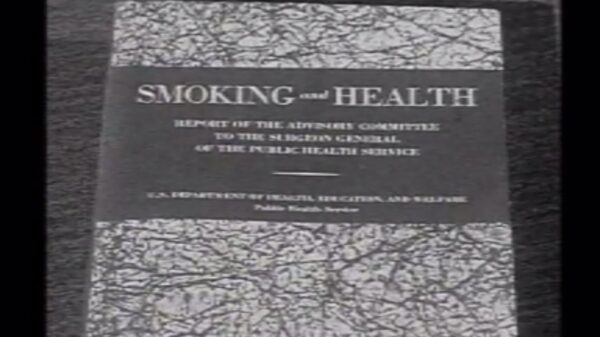
Looking ahead, experts like **Henry Kranzler**, director of the Center for Studies of Addiction at the **University of Pennsylvania**, draw parallels to the long-term decline in cigarette smoking following the landmark **1964** report linking tobacco to lung cancer. While predicting the future trajectory of alcohol consumption remains uncertain, the growing disinterest in drinking among younger generations is seen as a promising indicator of continued decline in alcohol use.
As this cultural transformation unfolds, many individuals find themselves navigating their own relationship with alcohol. Personal journeys vary, with some opting for complete abstinence while others embrace a more mindful approach to drinking.
Ultimately, the impact of **Dry January** and the broader trend towards sobriety suggest a significant shift in societal attitudes. While many may still celebrate special occasions with a drink, the emphasis on moderation and health awareness is reshaping how alcohol fits into daily life. As individuals evaluate their habits, the conversation around alcohol consumption is poised for continued evolution.